
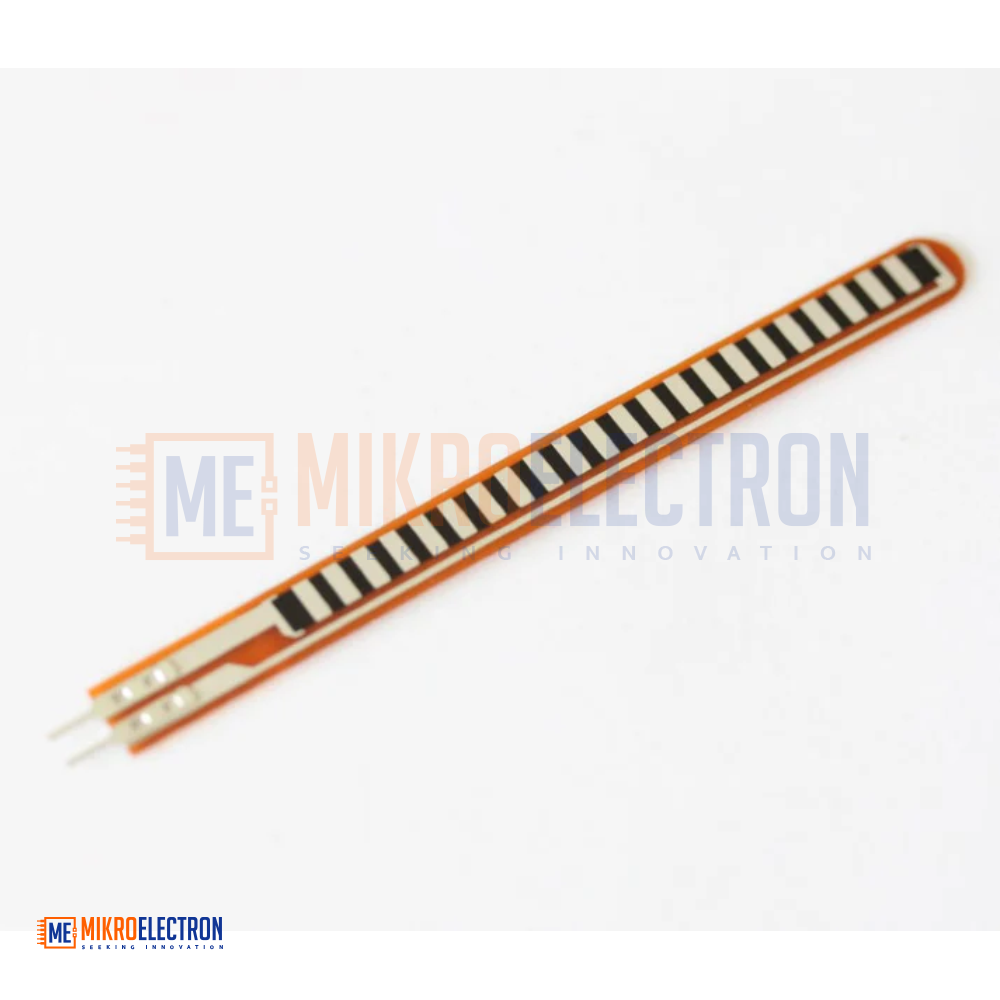
Flex Sensor 2.2 Original
Out Of Stock
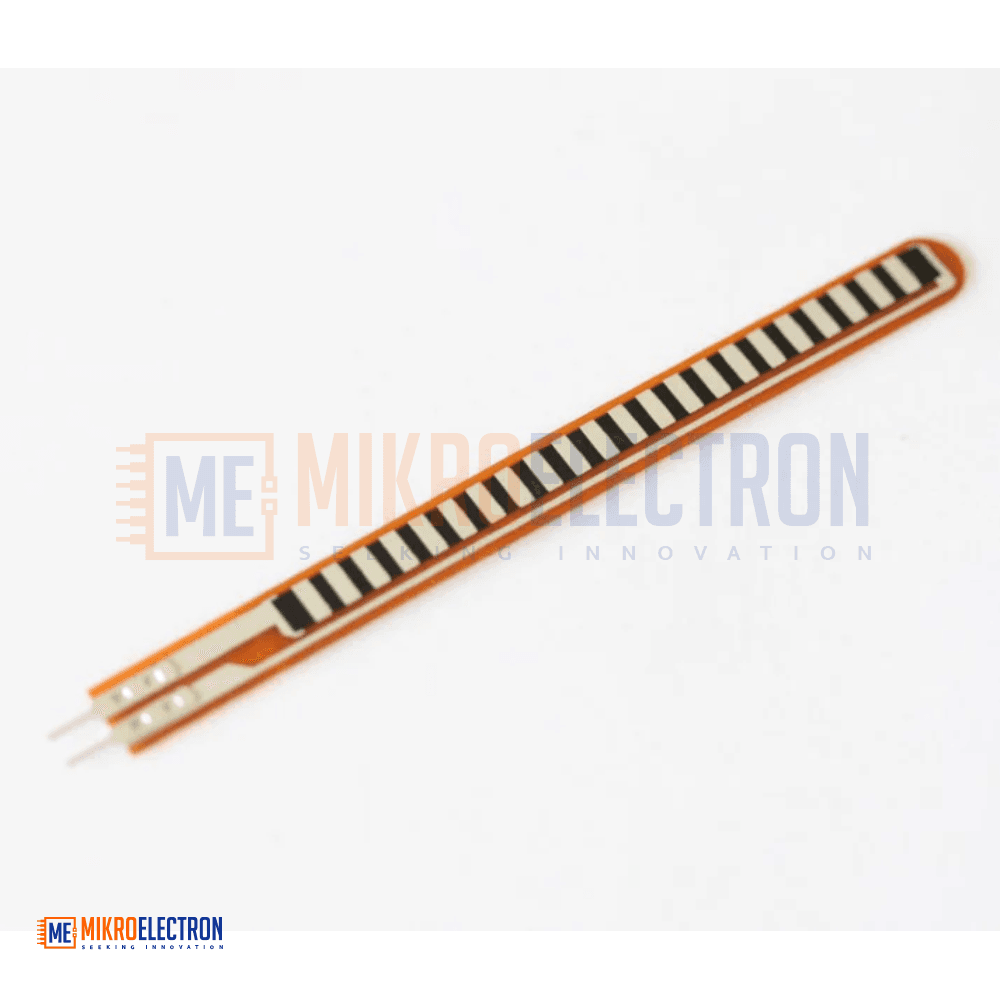
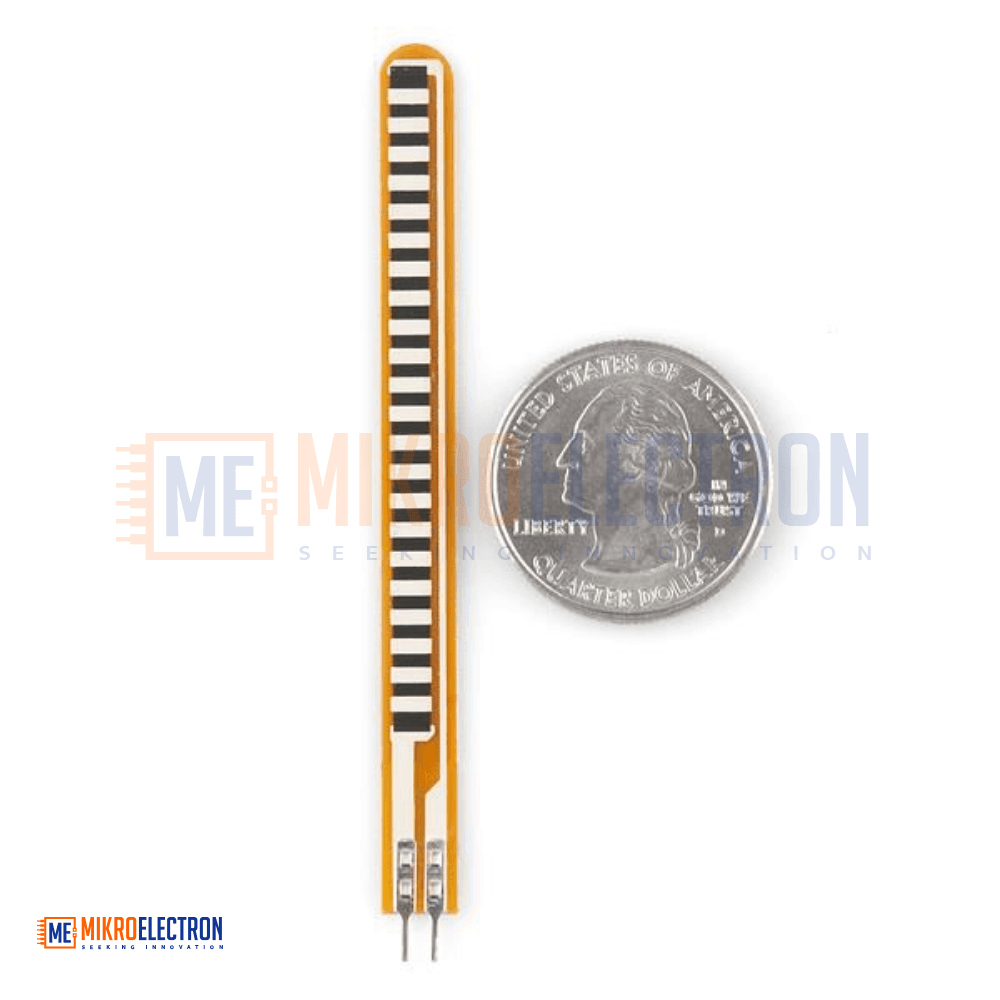
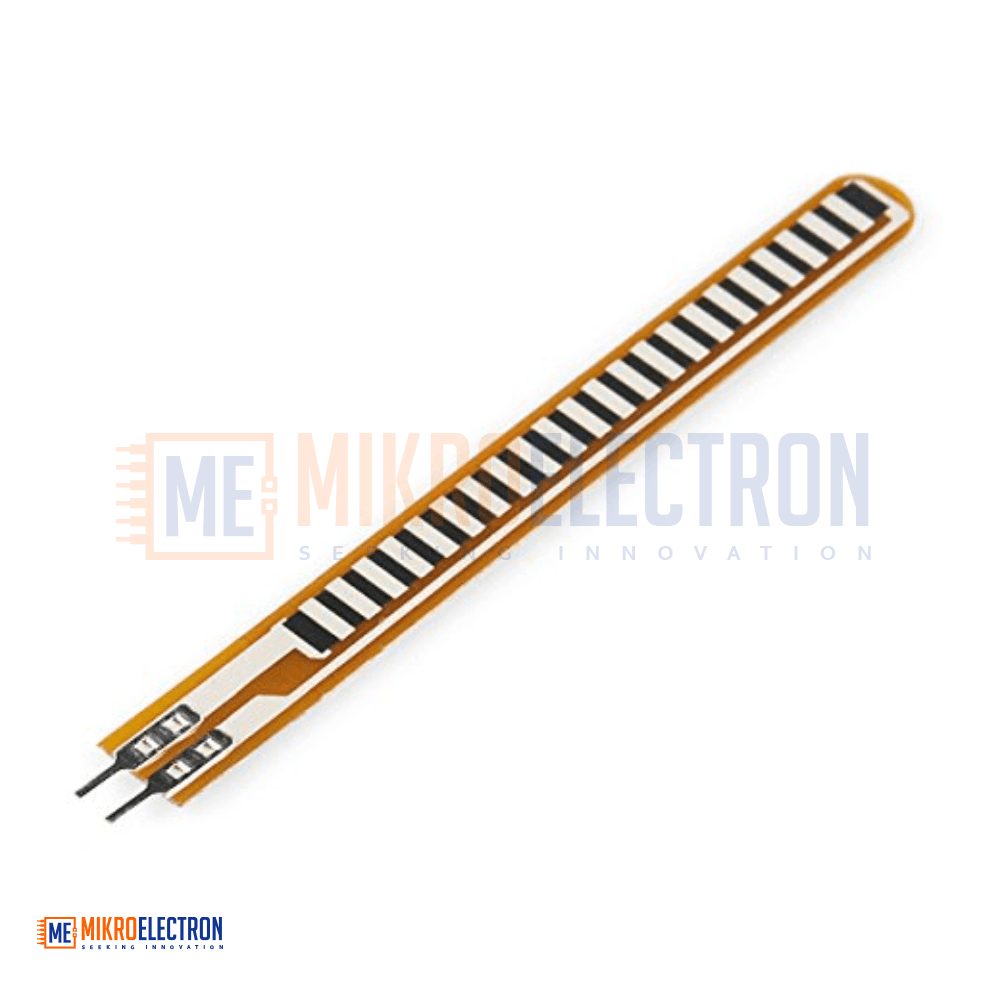
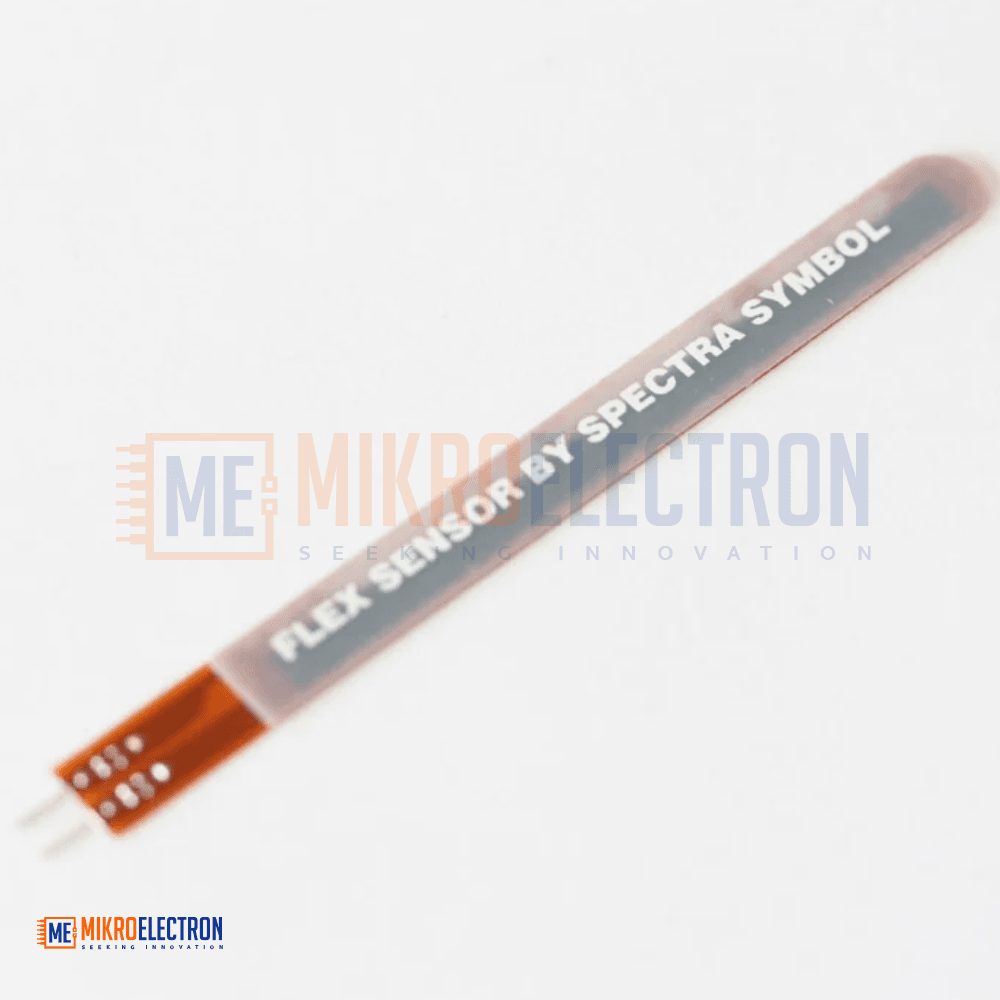
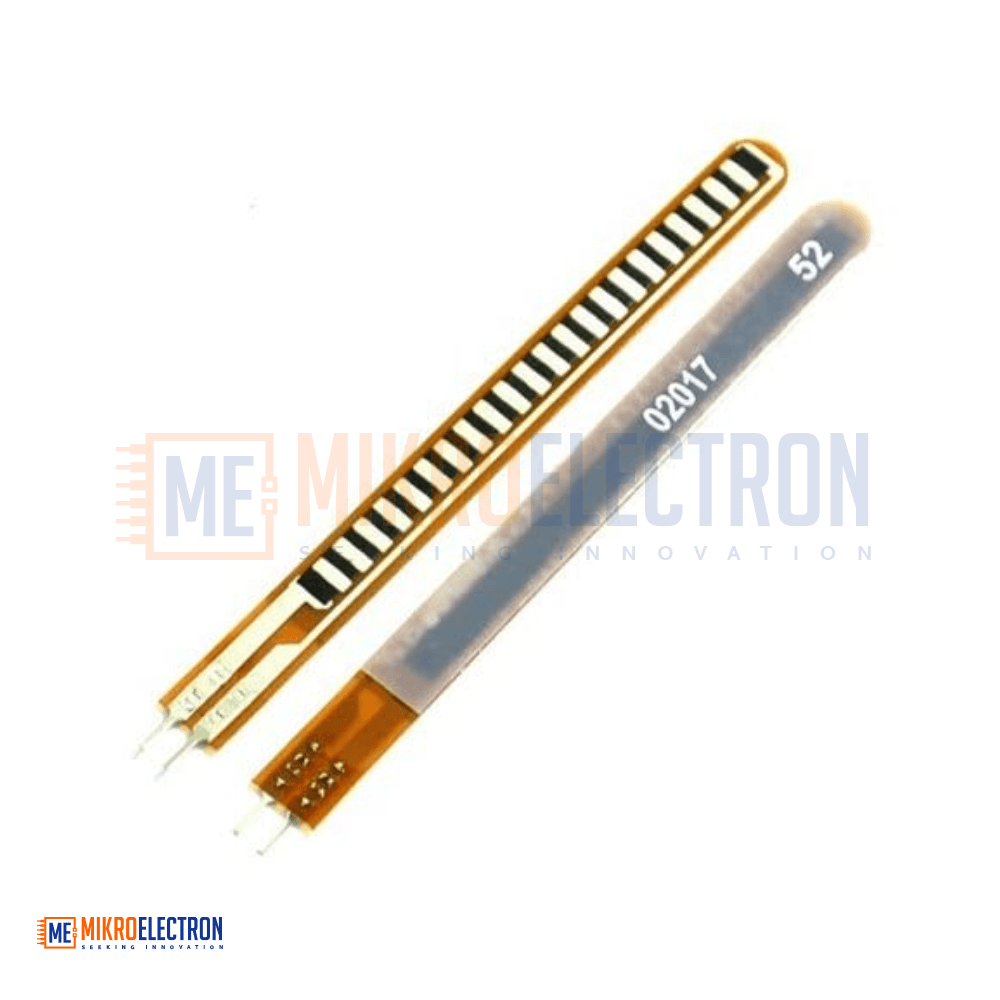
The Original 2.2" Flex Sensor is a high-quality bend sensor that converts physical flexing into an analog electrical signal. As the sensor bends, its resistance increases from ~10KΩ (flat) to ~40KΩ (fully bent), providing reliable motion data for Arduino, ESP32, and microcontroller projects. With its slim, lightweight design and proprietary Spectra Symbol technology, it's ideal for gesture recognition, smart gloves, wearable devices, robotics, and interactive electronics applications.
حساس الانحناء الأصلي 2.2 إنش هو حساس انحناء عالي الجودة يحوّل الحركة الفيزيائية إلى إشارة كهربائية تماثلية. عندما ينحني الحساس، تزداد مقاومته من ~10 كيلو أوم (مستقيم) إلى ~40 كيلو أوم (منحني بالكامل)، مما يوفر بيانات حركة موثوقة لـ مشاريع الأردوينو وESP32 والمتحكمات الدقيقة. بتصميمه النحيف وخفيف الوزن وتقنية Spectra Symbol الحصرية، يعتبر مثالياً لـ التعرف على الإيماءات، القفازات الذكية، الأجهزة القابلة للارتداء، الروبوتات، والإلكترونيات التفاعلية.
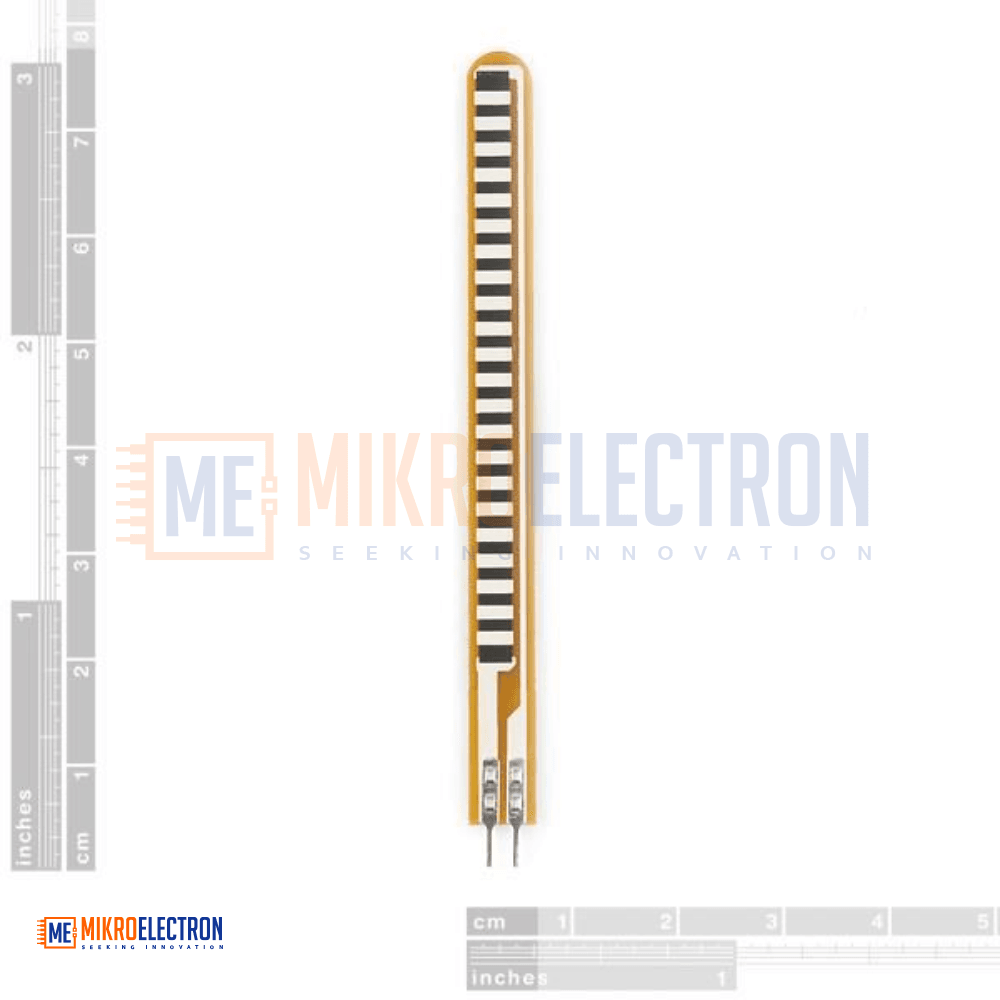
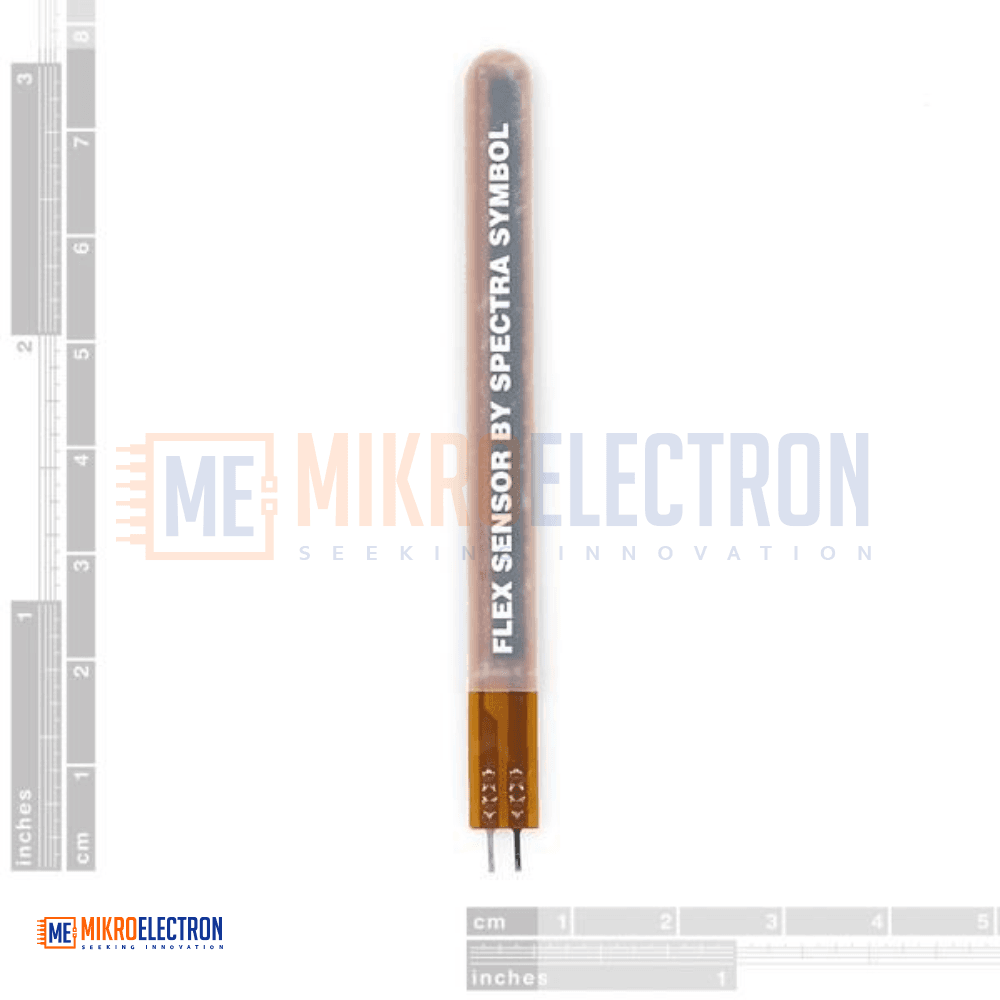
The Original 2.2" Flex Sensor is a precision bend-sensitive resistive sensor manufactured using the trusted Spectra Symbol proprietary technology — the same technology used in the Nintendo Power Glove, the original game controller that helped popularize flex sensing in consumer electronics. This compact 2.2-inch (~5.6 cm) version is the shortest variant in the Spectra Symbol flex sensor family, making it perfect for projects where space is limited but precise motion sensing is required.
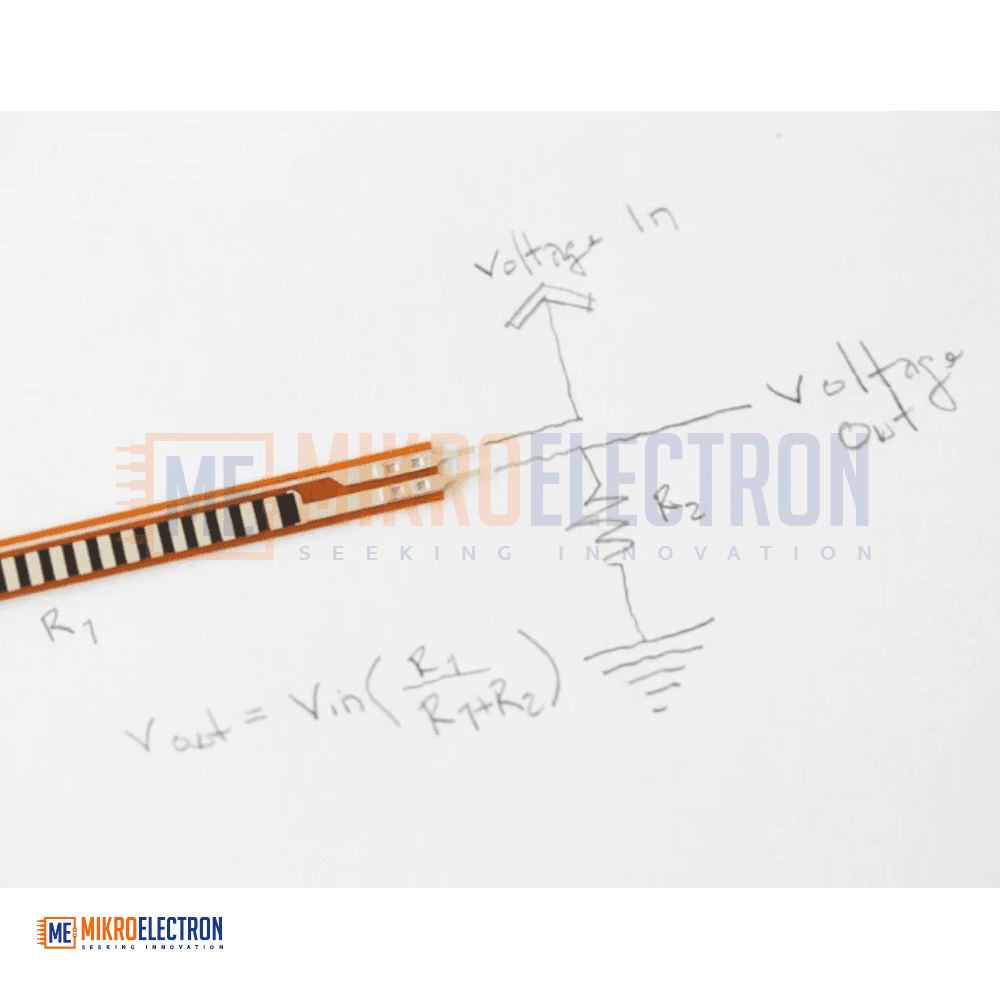
The sensor works on a simple but powerful principle: as the sensor is flexed in one direction, its electrical resistance changes in proportion to the bend angle. When the sensor is flat, its resistance is approximately 10KΩ, and when it is fully bent, the resistance increases to around 40KΩ. By placing the flex sensor in a voltage divider circuit with a fixed resistor, this changing resistance produces a changing analog voltage that can be easily read by the ADC of an Arduino, ESP32, ESP8266, Raspberry Pi (with ADC module), or any other microcontroller.
Thanks to its slim, thin, and lightweight construction, the 2.2" flex sensor can be embedded directly into fabric, gloves, joints, and small enclosures, making it ideal for wearable technology, prosthetics, smart gloves, gesture controllers, virtual reality (VR/AR) devices, and rehabilitation tools. Its compact size is particularly suited for finger flex tracking, where the smaller form factor allows it to fit comfortably along a single finger segment without restricting movement.
The sensor uses two solderable terminals with standard 0.1" (2.54mm) pin spacing, making it fully compatible with breadboards, perfboards, Dupont jumpers, and standard headers. It's a beginner-friendly component supported by extensive online tutorials, Arduino code examples, and project guides, making it easy to integrate into both first-time prototypes and professional products.
This is the original, authentic Spectra Symbol-grade flex sensor — known for its high sensitivity, consistent performance, and long operational life compared to lower-cost imitations. For projects where reliability and accurate readings matter, this is the flex sensor of choice.
How It Works (Wiring Example):
- Connect one end of the flex sensor to 5V (or 3.3V)
- Connect the other end to an Arduino analog pin (e.g., A0)
- Add a 10kΩ pull-down resistor from the analog pin to GND
- Read the analog value with analogRead(A0) to detect bending
Specifications
- Sensor Type: Resistive Flex / Bend Sensor
- Length: 2.2 inches (~5.6 cm)
- Manufacturer Technology: Spectra Symbol proprietary
- Resistance (Flat): ~10 kΩ
- Resistance (Fully Bent): ~40 kΩ
- Output Type: Variable Resistance (Analog)
- Operating Voltage: Compatible with 3.3V or 5V (in voltage divider)
- Power Rating: Low — milliwatt range
- Bend Direction: Sensitive in one direction only (resistance increases on the printed side bending outward)
- Connector: 2 solderable terminals, 0.1" (2.54mm) pitch
- Output Signal: Analog (requires ADC)
- Lifecycle: Rated for many thousands of bend cycles
- Operating Temperature: Typical electronics range (-35°C to +80°C)
Applications
- Smart gloves and gesture-controlled devices
- VR / AR controllers and motion tracking
- Robotic prosthetics and exoskeletons
- Robotic finger and joint feedback
- Wearable technology and fitness trackers
- Sign language translators and assistive devices
- Interactive art installations and games
- Human-Computer Interaction (HCI) projects
- Physical therapy and rehabilitation devices
- Posture monitoring systems
- Bend-sensitive musical instruments and MIDI controllers
- Educational STEM and Arduino projects
- Door, lid, or hinge open/close detection
- Research and prototyping in biomechanics and ergonomics
- Animatronics and creature effects
- Industrial and aerospace prototypes for monitoring flexible joints