
Flex Sensor 2.2 china 20-22k
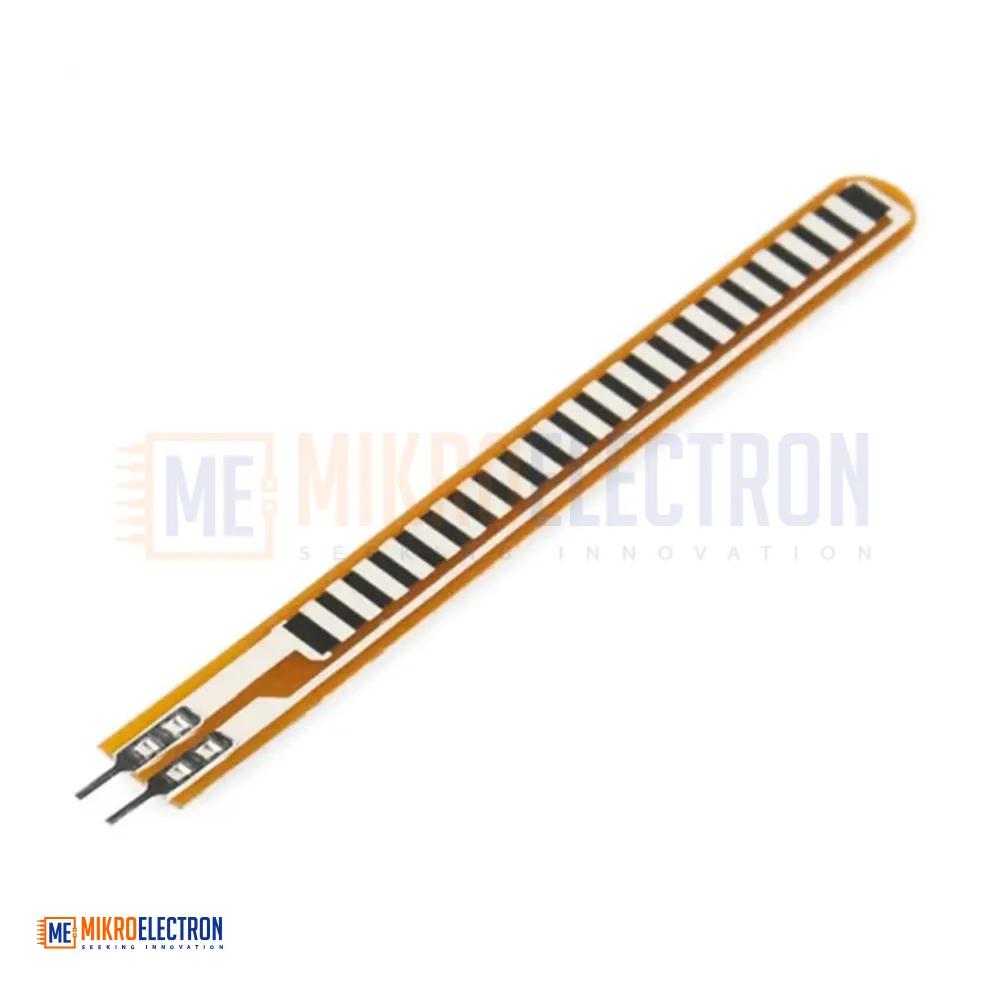
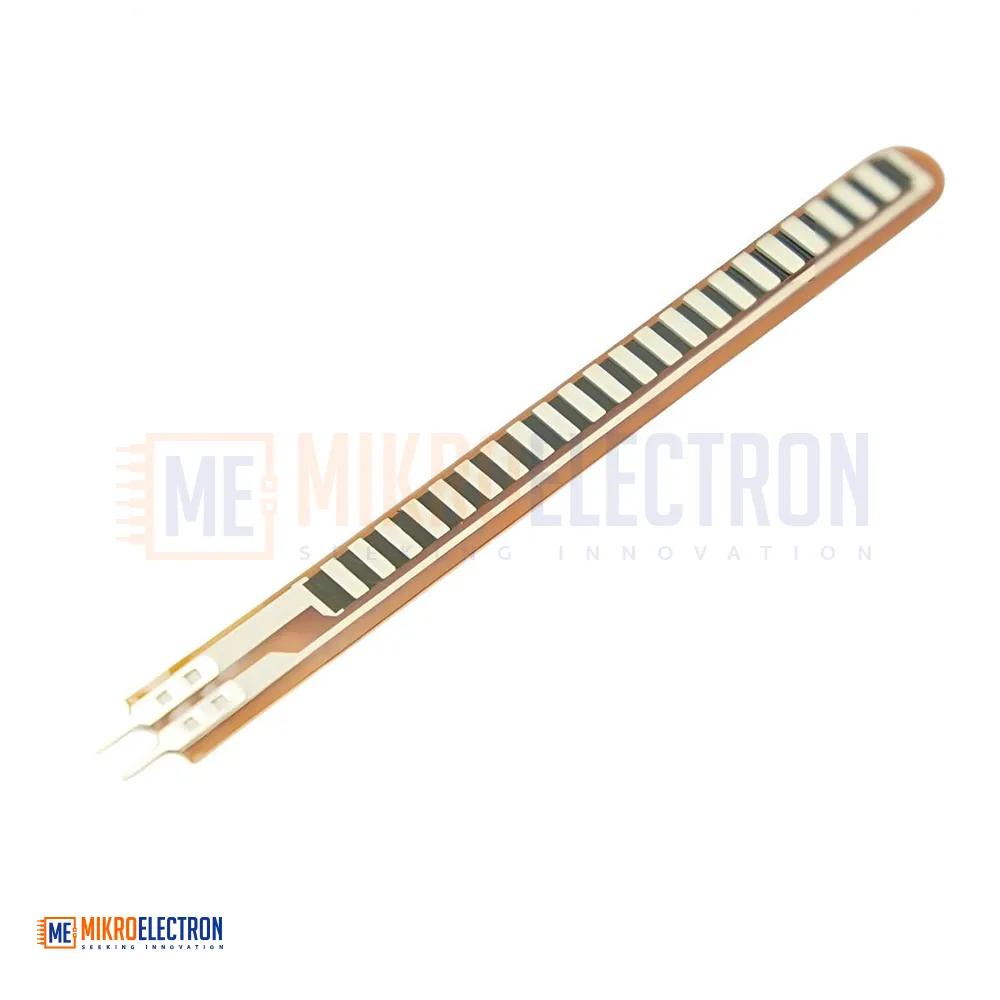
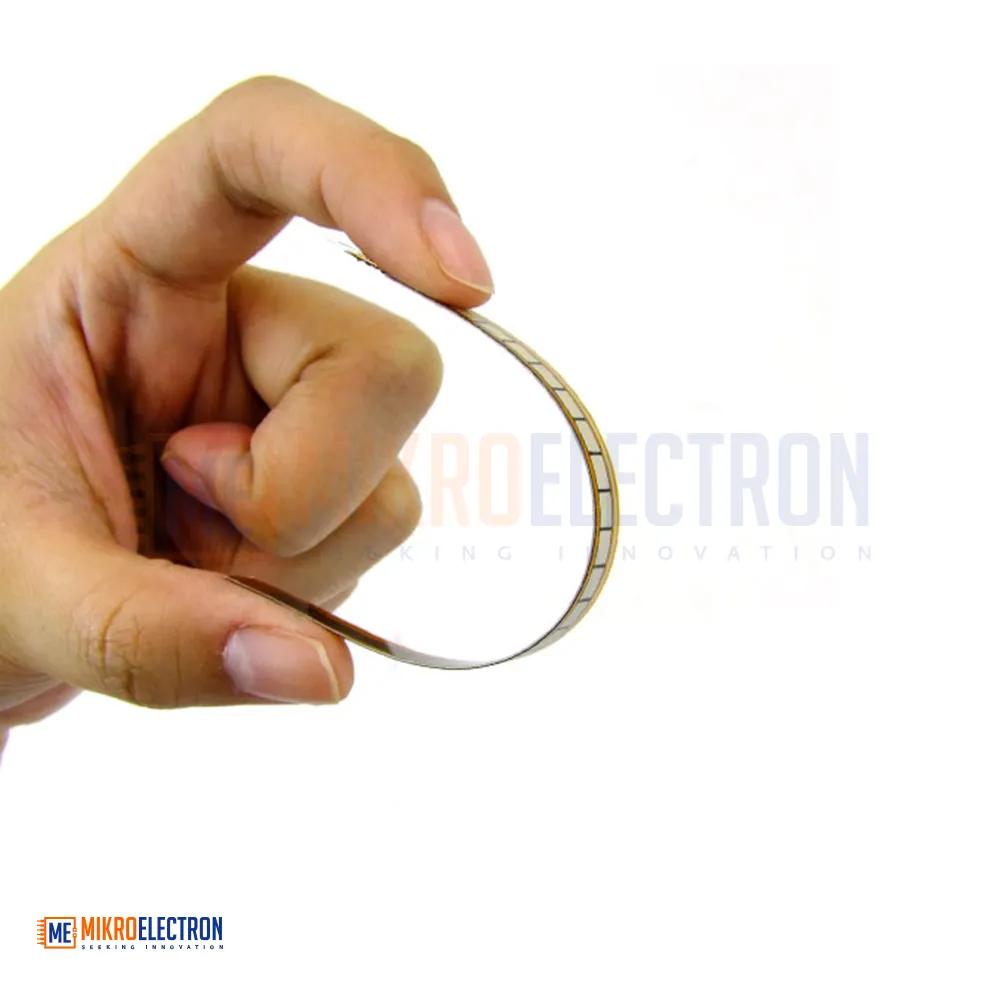
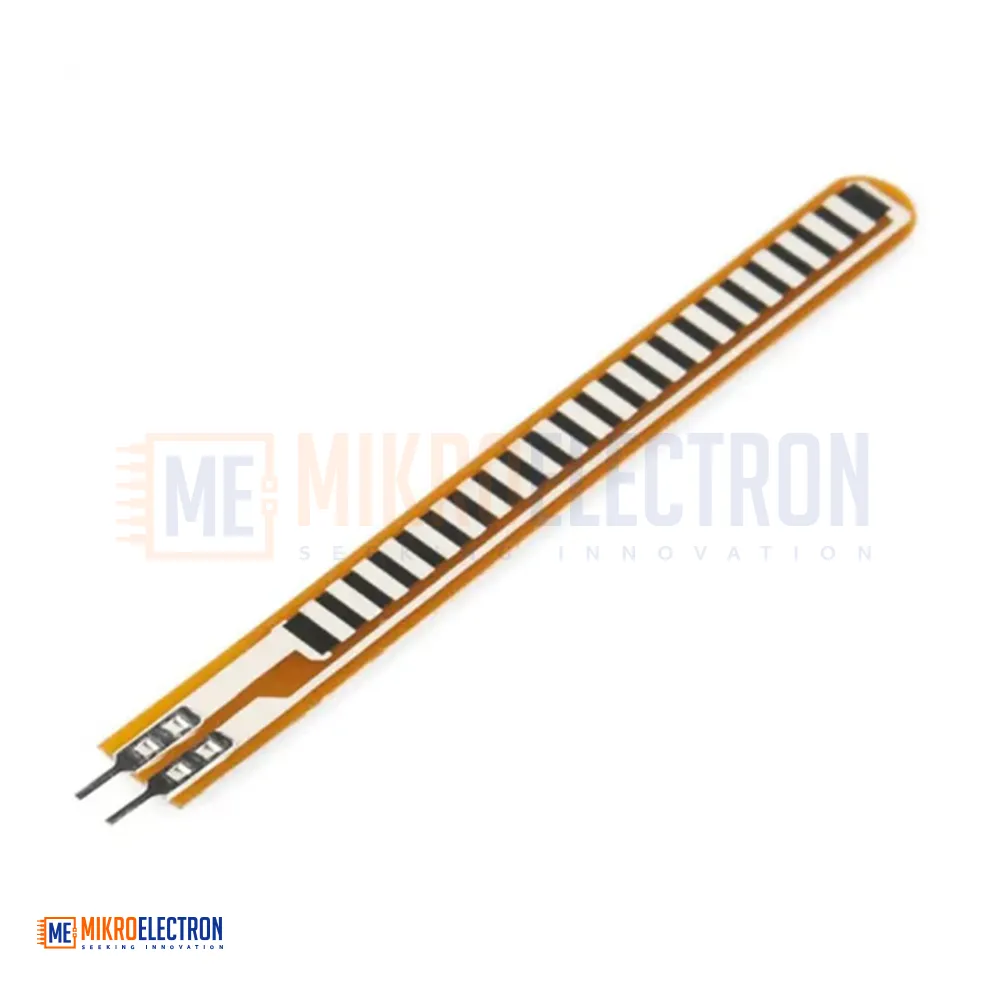
The 2.2-inch Flex Sensor is a thin, flexible bend-detection sensor designed to measure physical bending and angular displacement. Its electrical resistance increases as the sensor bends, making it suitable for detecting hand and finger movements. The sensor has a nominal flat resistance of approximately 10KΩ ±30% and can reach 20KΩ or higher, depending on the bending angle and sensor characteristics. With a 56mm sensing length, 0.1-inch spaced terminals, and breadboard-friendly connection, it is easy to integrate with microcontrollers and electronic circuits. It is widely used in robotics, gesture recognition, gaming interfaces, medical devices, musical instruments, physical therapy, and interactive control systems.
مستشعر Flex Sensor بطول 2.2 بوصة هو مستشعر مرن مصمم لاكتشاف الانحناء وقياس مقدار الحركة أو الإزاحة الزاوية. تزداد مقاومة المستشعر كلما تعرض للانحناء، مما يجعله مناسبًا لاكتشاف حركات الأصابع واليد والإيماءات. تبلغ مقاومته في الوضع المستقيم حوالي 10 كيلو أوم ±30%، ويمكن أن تصل إلى 20 كيلو أوم أو أكثر حسب زاوية الانحناء وخصائص المستشعر. يتميز بطول استشعار يبلغ 56 مم وأطراف بتباعد 0.1 بوصة، مما يجعله مناسبًا للتوصيل مع دوائر التحكم والـ Microcontrollers. يستخدم في الروبوتات، التعرف على الإيماءات، الألعاب، الأجهزة الطبية، الآلات الموسيقية والعلاج الطبيعي.
The 2.2-inch Flex Sensor is a compact and flexible resistive sensor designed to detect bending, flexing, and angular displacement. When the sensing area is straight, the sensor has a nominal resistance of approximately 10KΩ ±30%. As the sensor bends, its resistance increases and can reach 20KΩ or higher, depending on the bending angle and individual sensor characteristics.
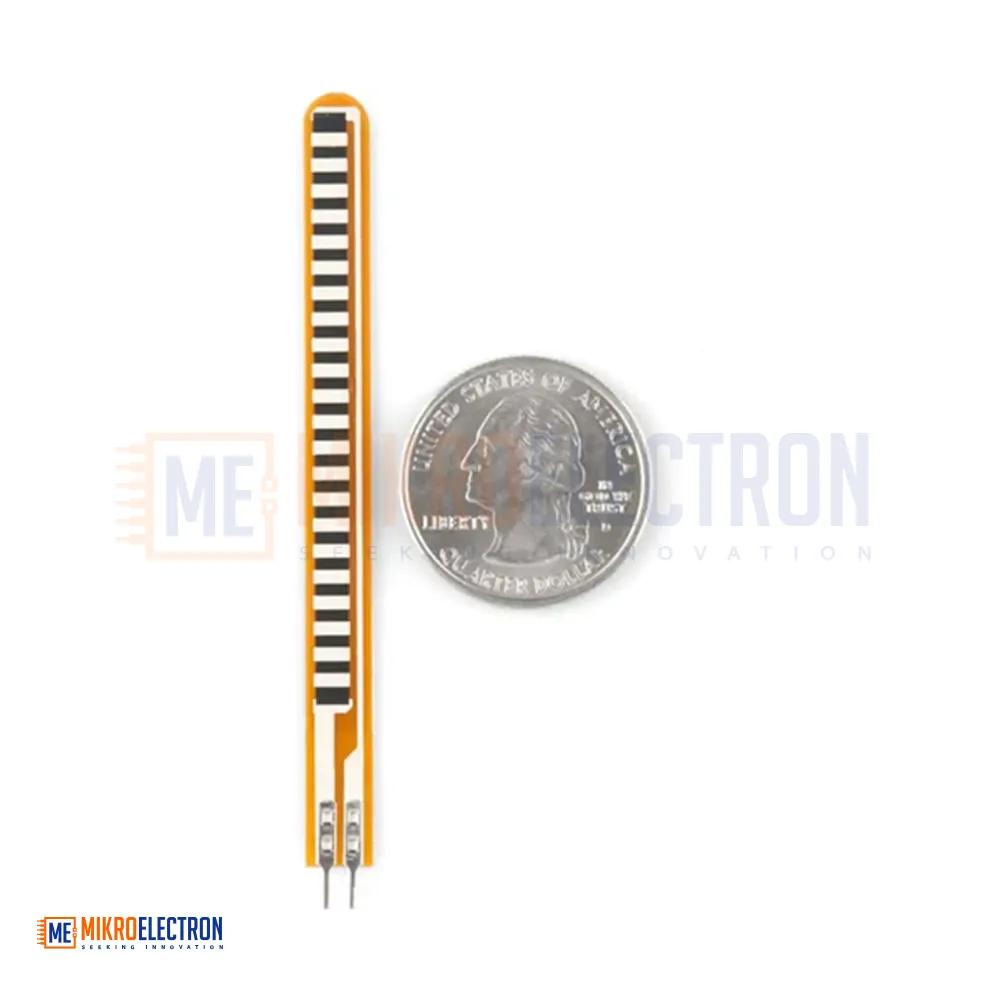
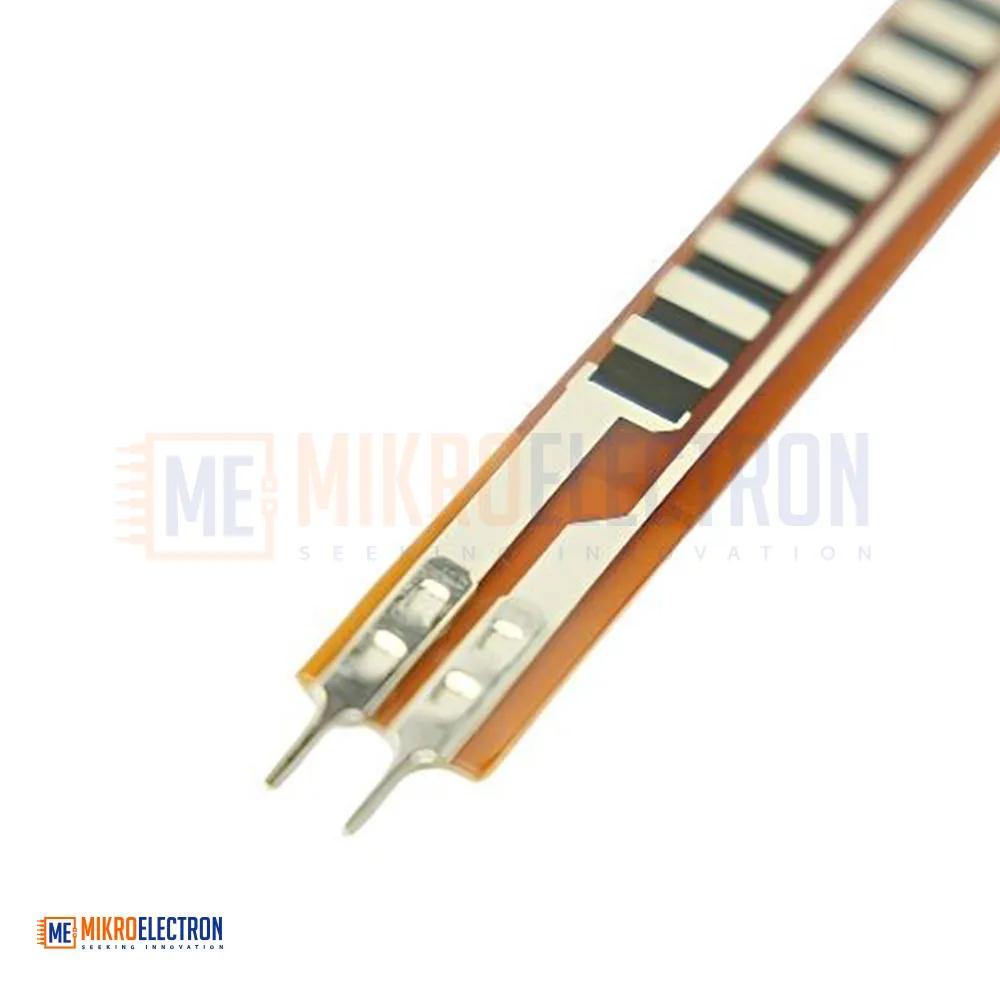
With a 56mm (2.2-inch) sensing length and an overall length of approximately 70mm, the sensor can be integrated into wearable and interactive electronic systems. Its 0.1-inch terminal spacing makes it compatible with breadboards and common prototyping setups.
The sensor can be connected to a microcontroller such as Arduino, ESP32, Raspberry Pi, or other analog-input systems through a suitable voltage-divider circuit. By measuring the change in resistance, the controller can determine the approximate amount of bending.
The Flex Sensor is suitable for robotic hands, gesture recognition systems, wearable controllers, virtual-motion interfaces, musical instruments, medical equipment, physical therapy devices, and experimental prototypes.
Important: The base portion of the sensor is sensitive to mechanical stress. For reliable operation and longer service life, bend only the designated sensing area and avoid repeatedly flexing the connection/base section.
Specifications
| Specification | Details |
|---|---|
| Product Type | Flex / Bend Sensor |
| Sensing Length | 2.2 inch / 56mm |
| Overall Length | Approximately 70mm / 7cm |
| Flat Resistance | 10KΩ ±30% |
| Bend Resistance | 20KΩ or higher depending on bending angle |
| Typical Bend Resistance | Approximately 20KΩ ±30% at 180° pinch bend |
| Resistance Behavior | Resistance increases as the sensor bends |
| Height / Thickness | 0.43mm / 0.017 inch |
| Terminal Spacing | 0.1 inch |
| Life Cycle | More than 1 million cycles |
| Power Rating | 0.5W continuous / 1W peak |
| Output Type | Variable resistance |
| Detection Method | Bending / flexing |
| Connection | Suitable for breadboard and microcontroller circuits |
| Typical Application | Gesture, motion and angle detection |
Applications
- Robotics and Robotic Hands
- Hand and Finger Gesture Recognition
- Wearable Electronics
- Gaming and Virtual Motion Interfaces
- Medical Devices
- Physical Therapy Equipment
- Musical Instruments
- Computer Peripherals
- Human-Machine Interfaces
- Motion and Angle Measurement
- Interactive Electronic Projects
- Arduino and ESP32 Projects
- Prototype and Experimental Systems