
Arduino Fio ( Italy )
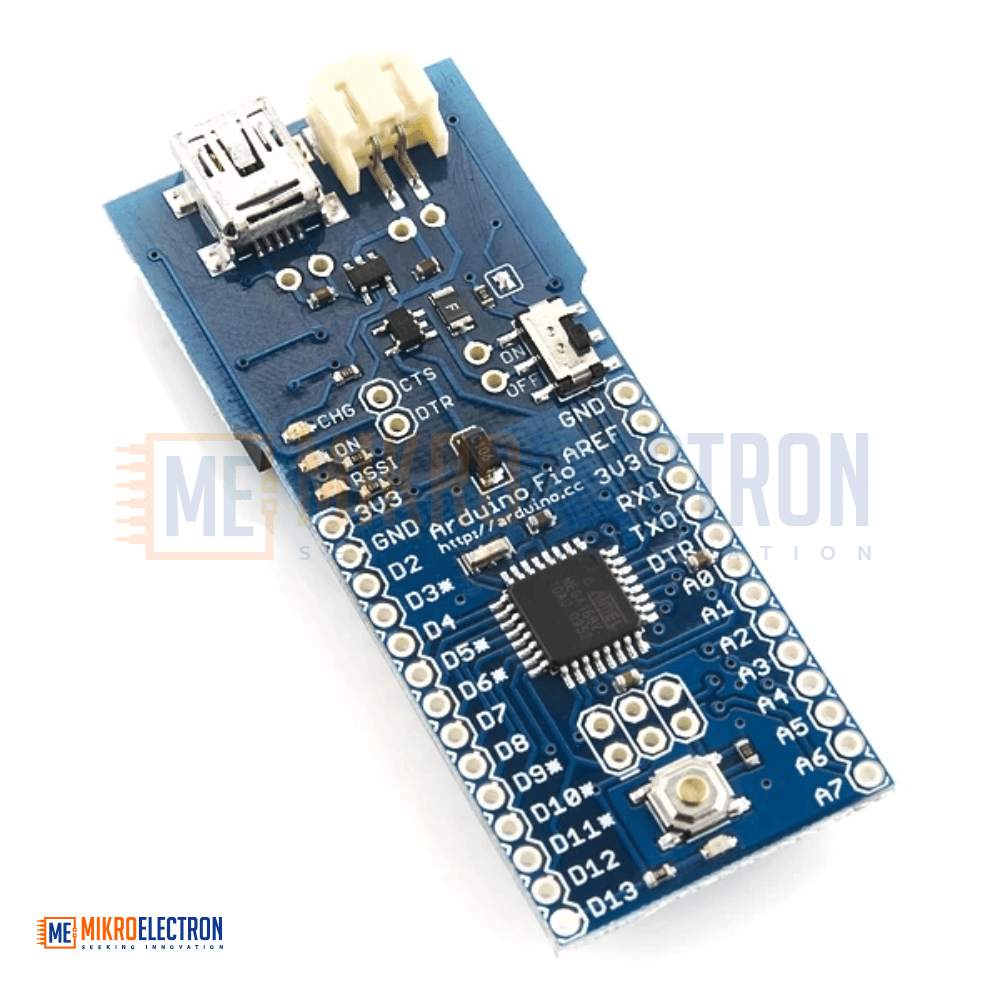
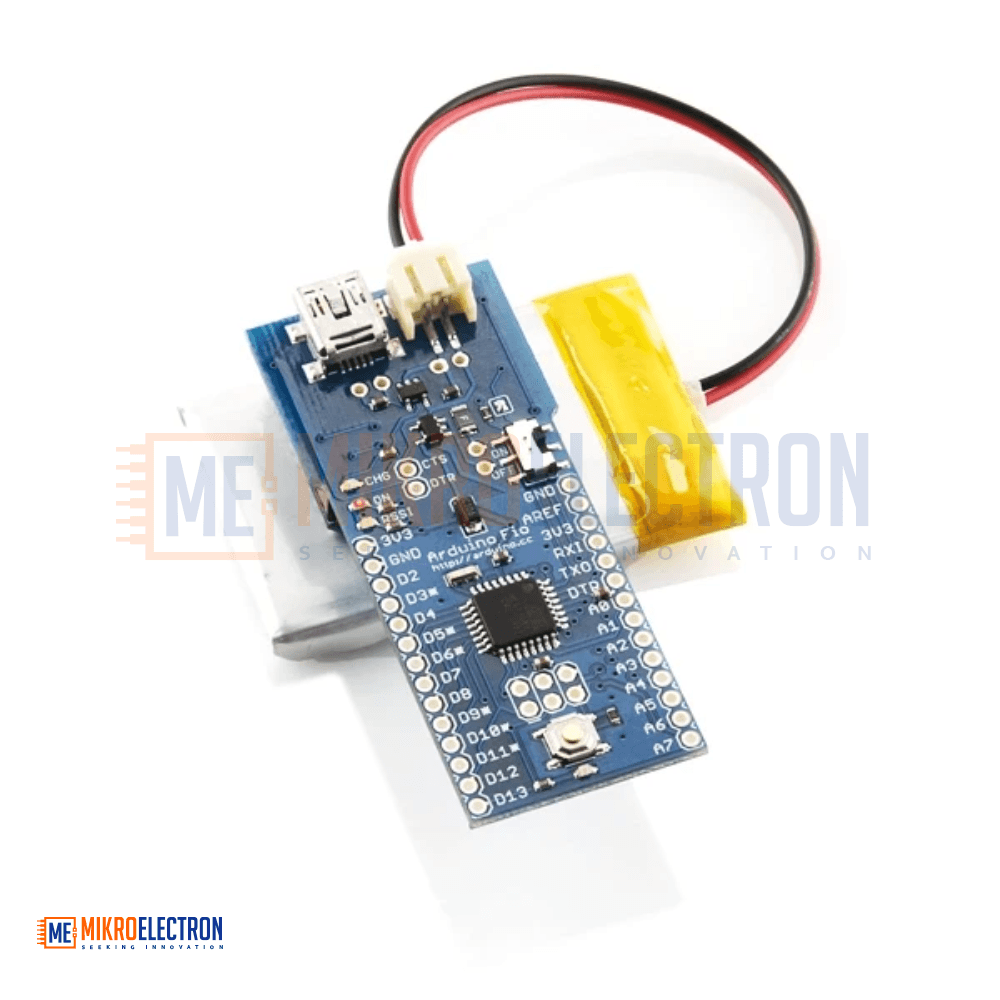
Arduino Fio is a compact, low-power Arduino board designed for wireless and wearable projects. Based on the ATmega328V running at 8MHz, it supports XBee modules and LiPo batteries with onboard charging. Ideal for remote sensing, IoT, and battery-powered applications.
لوحة Arduino Fio هي لوحة مدمجة ومنخفضة استهلاك الطاقة، مخصصة للمشاريع اللاسلكية والقابلة للارتداء. تدعم بطارية LiPo ووحدات XBee مع دائرة شحن مدمجة، مما يجعلها مثالية لتطبيقات إنترنت الأشياء والاستشعار عن بُعد.
The Arduino Fio is a specialized Arduino board developed for wireless communication and low-power applications. Designed by Shigeru Kobayashi and inspired by the LilyPad platform, the Fio integrates seamlessly with the Funnel I/O toolkit, allowing interaction with sensors and actuators using multiple programming environments such as Processing, Ruby, and ActionScript.
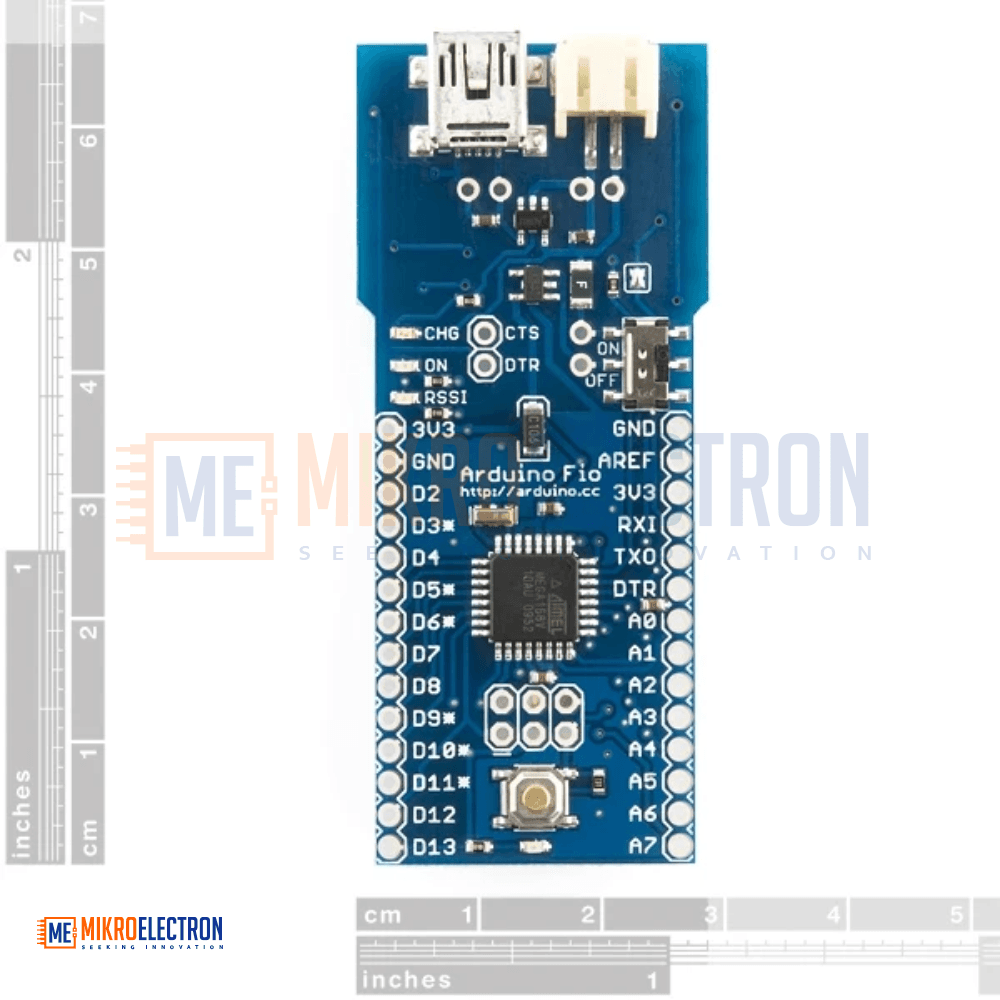
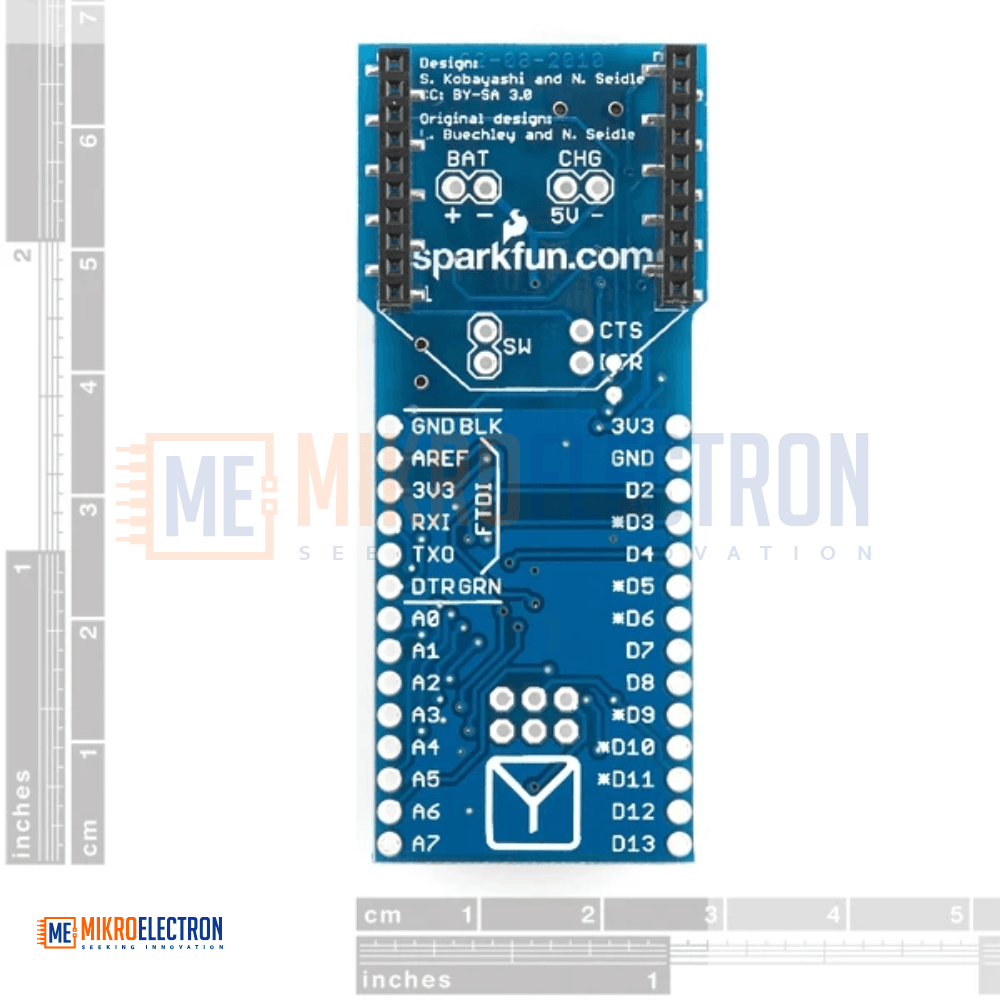
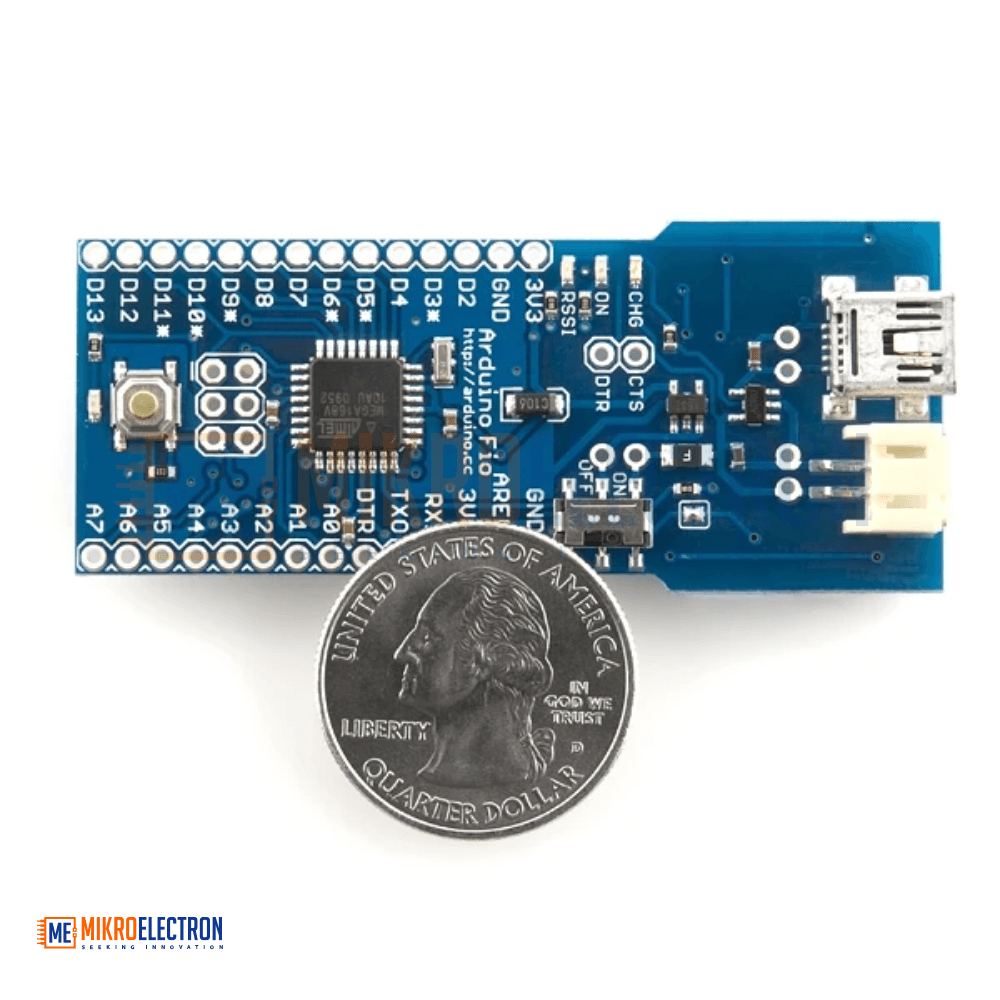
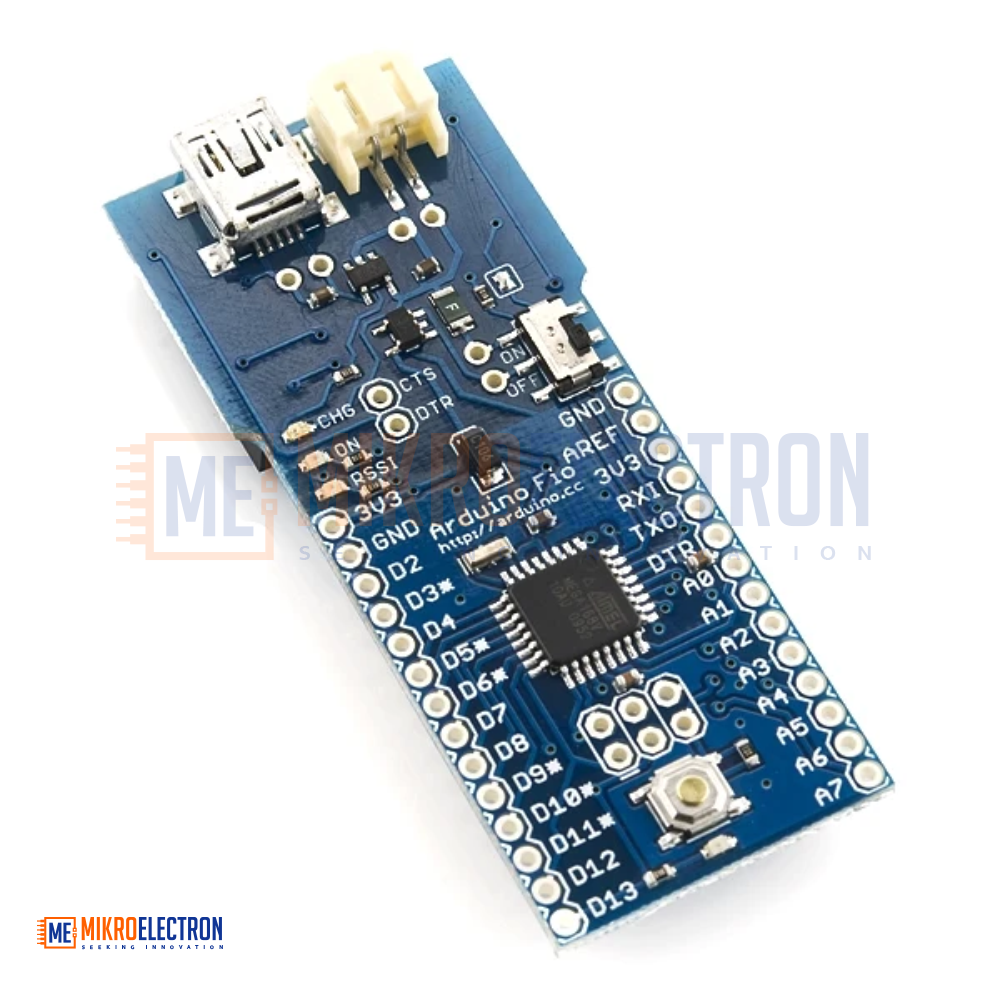
Powered by an ATmega328V microcontroller running at 8MHz, the Arduino Fio is optimized for battery-powered operation. It includes a built-in Lithium Polymer battery connector and an MCP73831T charging circuit that allows safe charging via USB. An onboard XBee socket enables easy wireless communication and supports wireless reprogramming using a compatible bootloader.
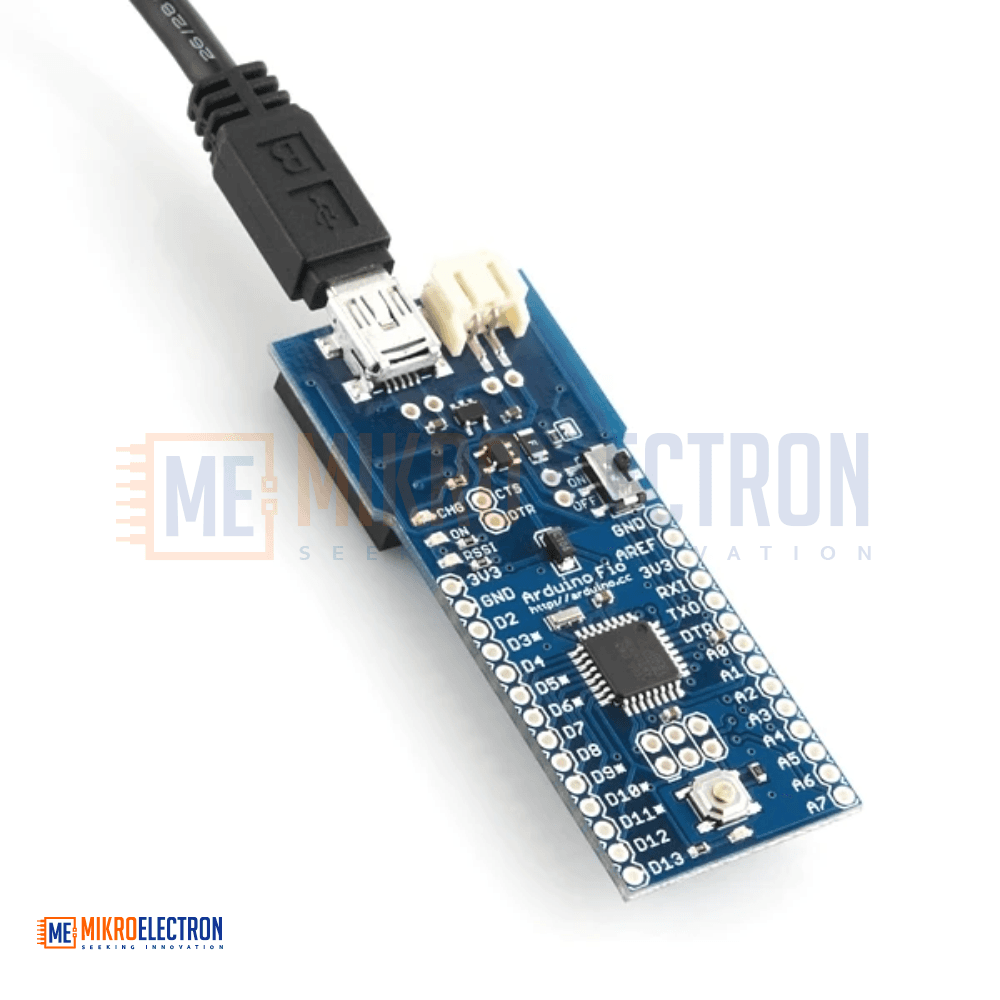
The mini-USB port is used strictly for battery charging. For wired programming, an external FTDI interface is required, and the XBee module must be removed during serial programming due to shared TX/RX pins. The Arduino Fio is an excellent choice for wearable electronics, wireless sensor networks, and portable embedded systems.
Specifications
Microcontroller: ATmega328V
Clock Speed: 8 MHz
Operating Voltage: 3.3V
Bootloader: Arduino Bootloader
Wireless Support: XBee socket (bottom-mounted)
Battery Support: Lithium Polymer (LiPo)
Battery Charger IC: MCP73831T
USB Connector: Mini-USB (charging only)
Programming Interface: External FTDI (required)
LED Indicators: Status, Charge, RSSI
Controls: Reset button, On/Off switch
Origin: Italy
Documentation
Applications
Wireless sensor networks (WSN)
IoT and remote monitoring systems
Wearable electronics and smart textiles
Battery-powered data logging
Home automation and wireless control
Robotics with wireless communication
Environmental monitoring (temperature, humidity, motion)
Educational and research projects
Prototyping low-power embedded systems