

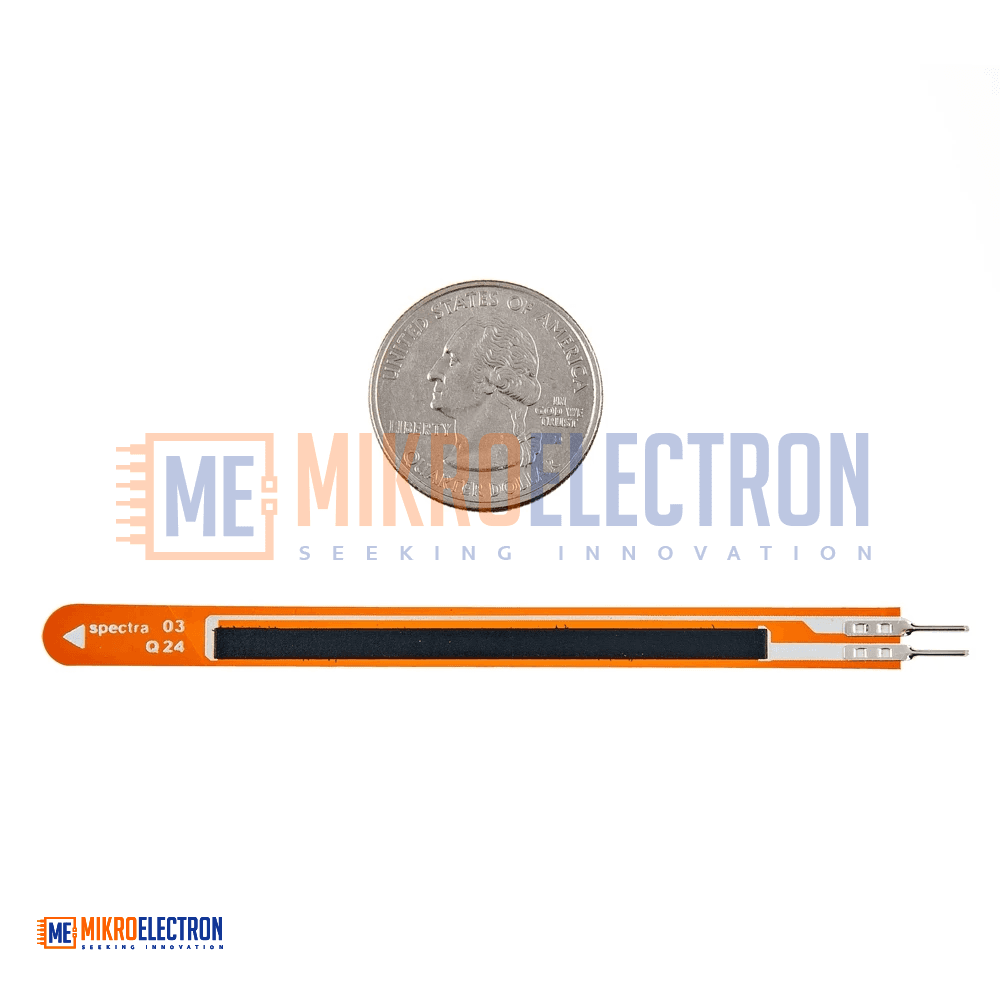
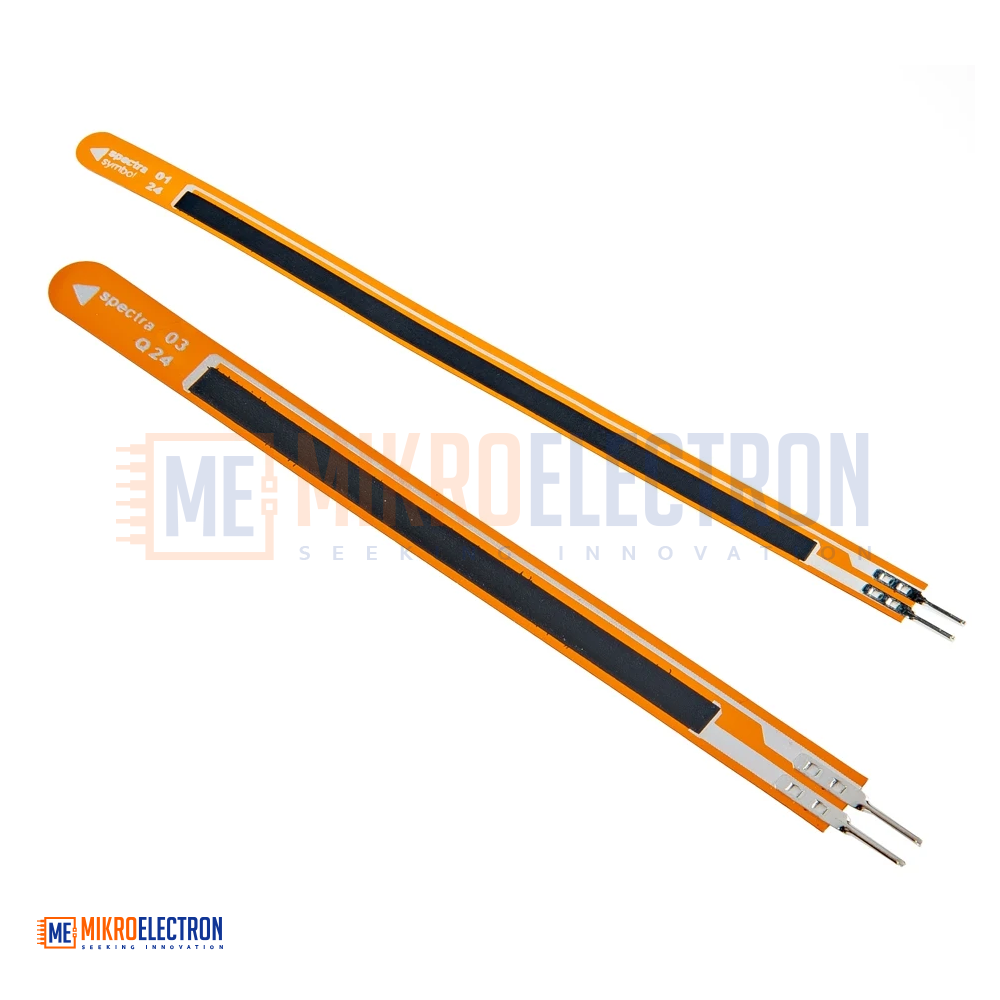
SpectraFlex™ Flex Sensor (Male Pins)
Please select an option to see price and availability
Select Option
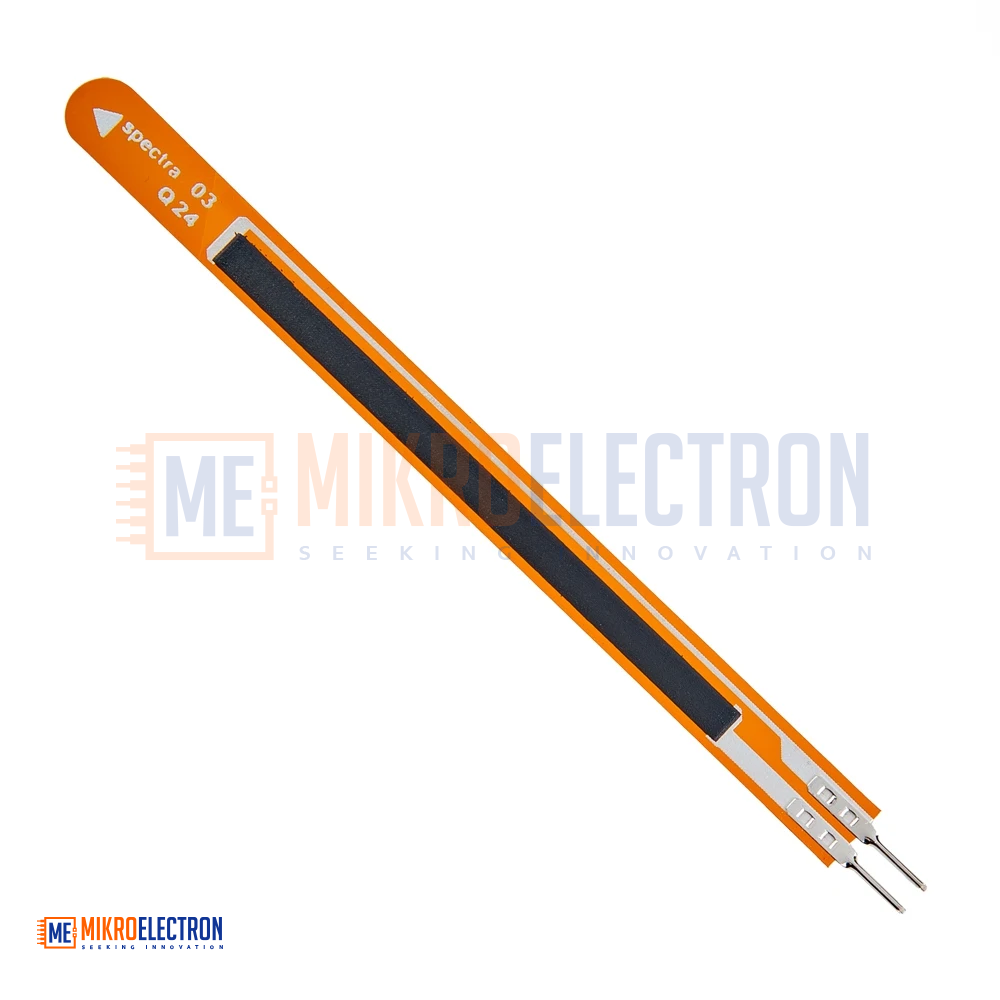 55mm
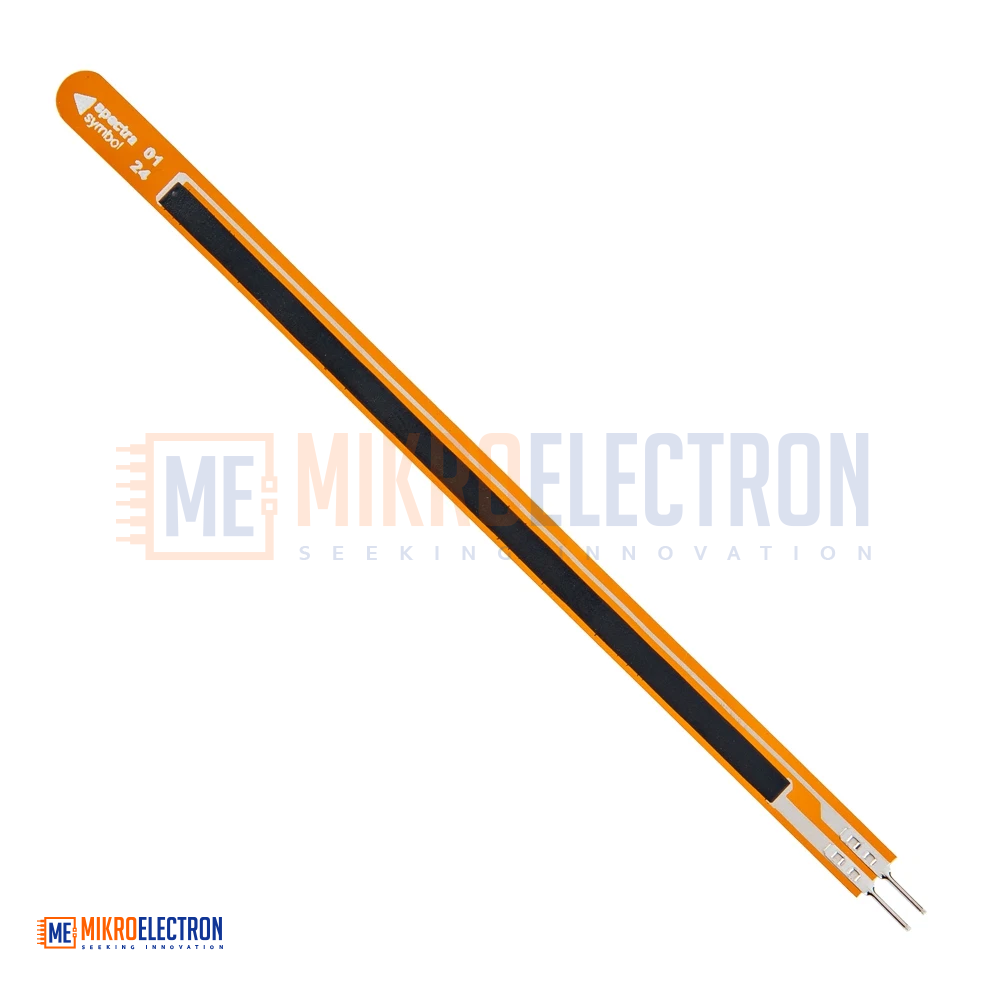 95mm
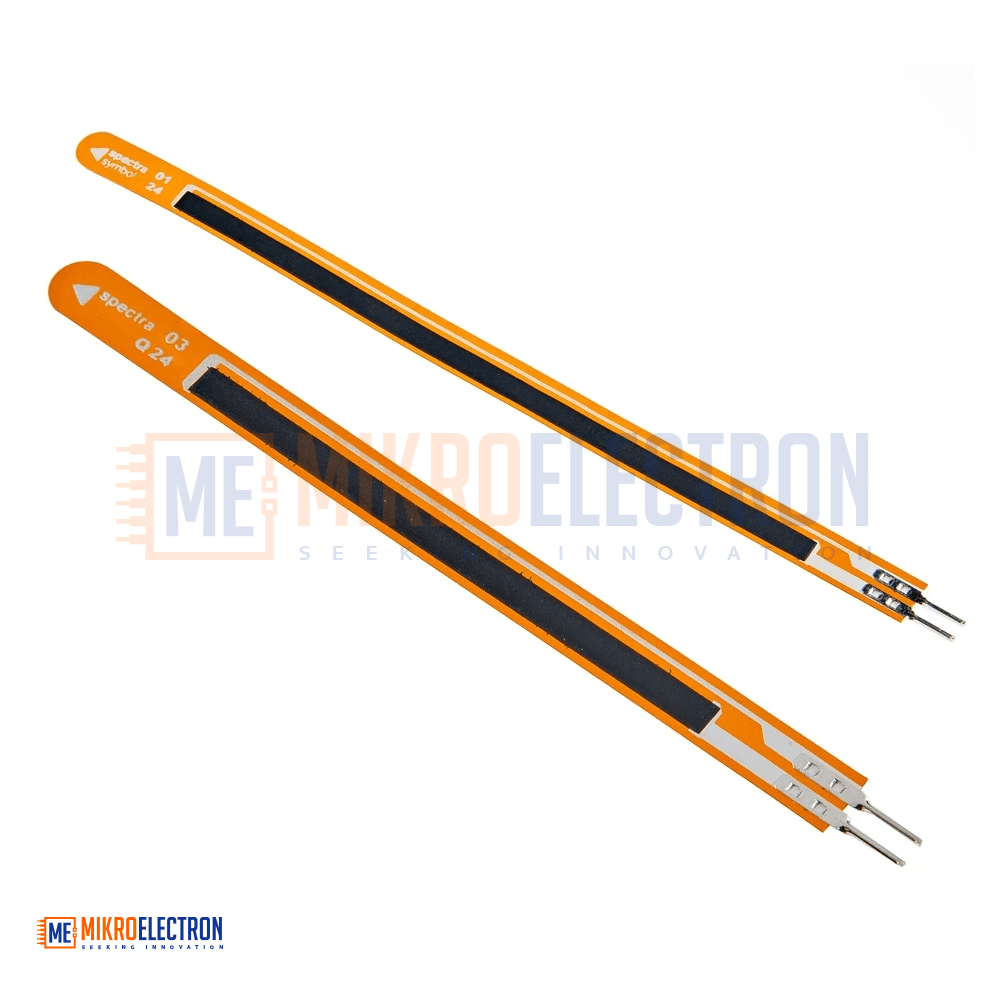
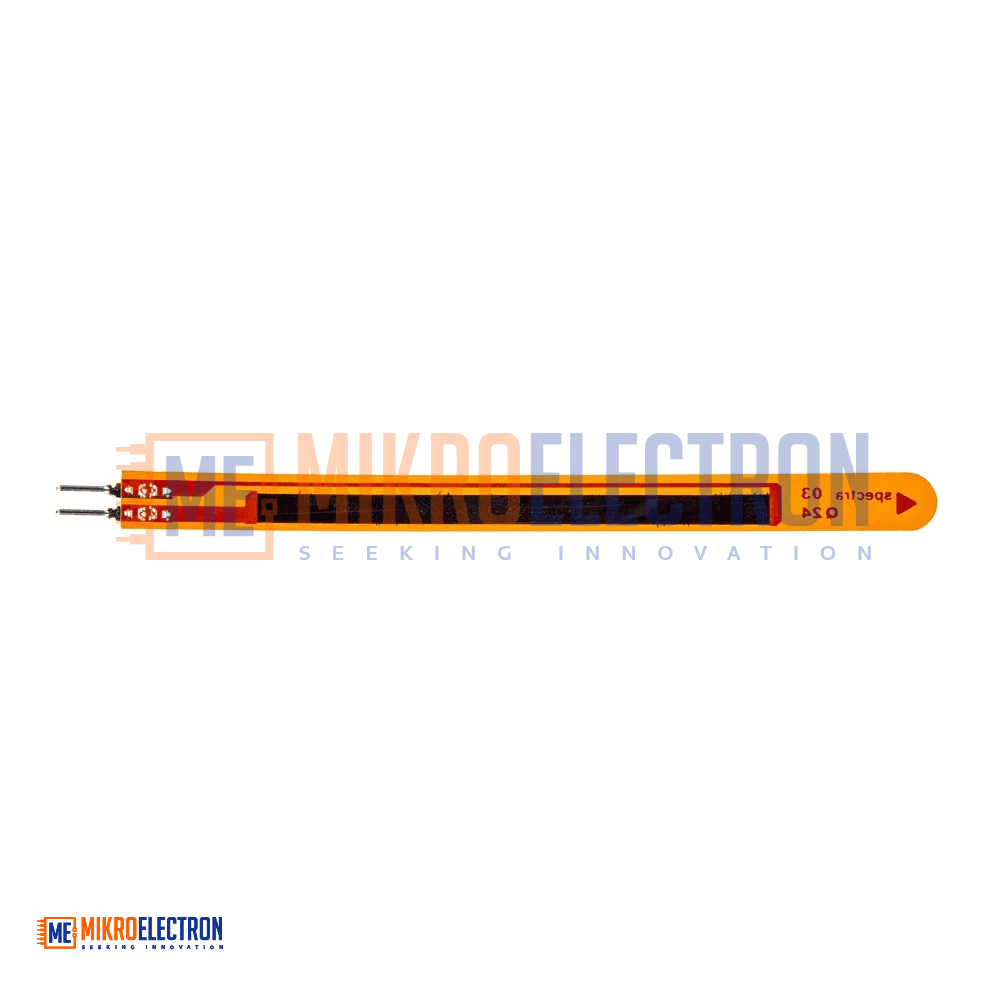
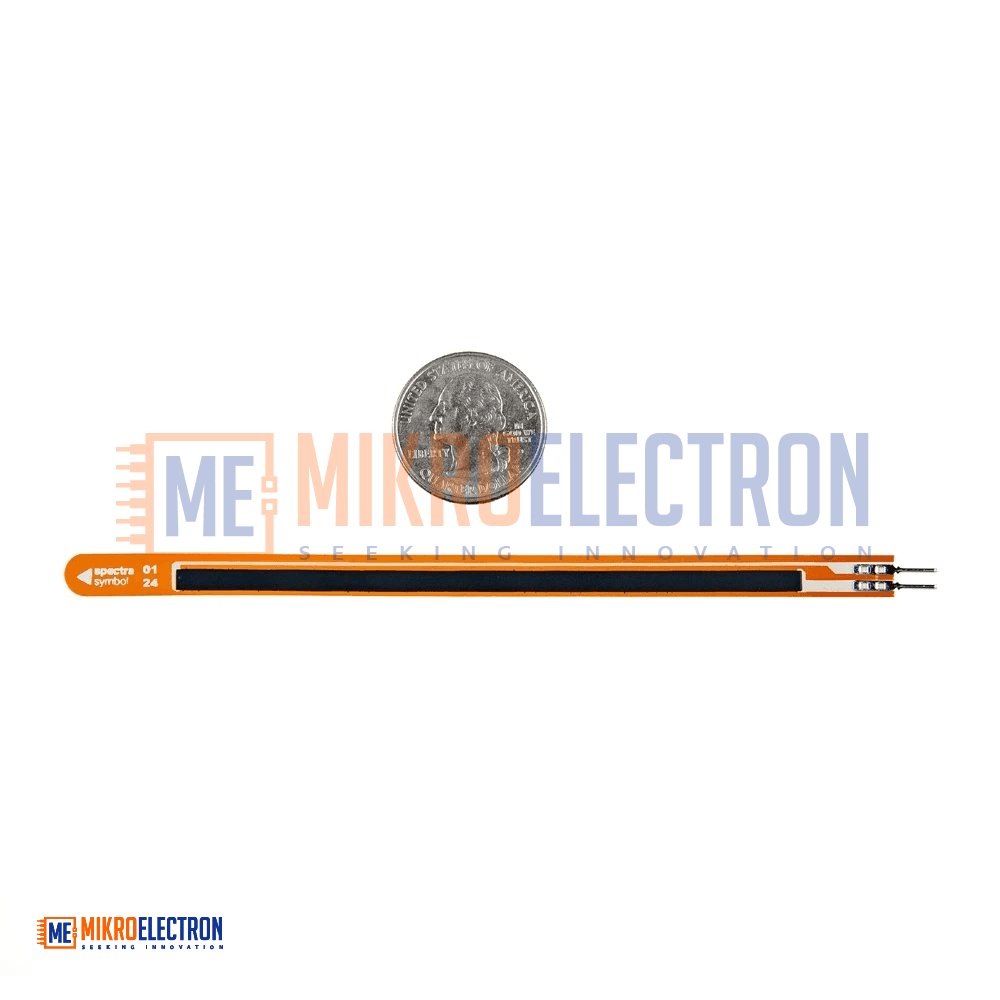
The SpectraFlex™ Flex Sensor (Male Pins) is a high-performance bend sensor designed for precise motion and position detection in wearable devices, robotics, and interactive electronics. Available in 55mm and 95mm lengths, it features low-drift technology for highly stable and repeatable measurements over time. The sensor changes resistance as it bends, providing accurate analog feedback for microcontroller-based systems. With a lifespan exceeding 2 million bend cycles, a 180° bend rating, and a lightweight, ultra-thin construction, it delivers exceptional durability and responsiveness. Pre-installed male pins enable quick prototyping with breadboards, Arduino, ESP32, Raspberry Pi, and other development platforms.
يعد SpectraFlex™ Flex Sensor (Male Pins) مستشعر انحناء عالي الأداء مصممًا لقياس الحركة والانحناء بدقة في الأجهزة القابلة للارتداء والروبوتات والتطبيقات التفاعلية. يتوفر بطولين 55 مم و95 مم، ويعتمد على تقنية منخفضة الانحراف (Low-Drift) لتوفير قراءات مستقرة وموثوقة على المدى الطويل. تتغير مقاومة المستشعر عند الانحناء لتوفير خرج تناظري دقيق يمكن قراءته بواسطة المتحكمات الدقيقة. يتميز بعمر تشغيلي يزيد عن 2 مليون دورة انحناء، وتصميم خفيف الوزن ورقيق للغاية، مع أطراف ذكر مثبتة مسبقًا لتسهيل التوصيل السريع مع Arduino وESP32 وRaspberry Pi ولوحات التجارب.
The SpectraFlex™ Flex Sensor (Male Pins) is a next-generation resistive bend sensor designed to provide highly accurate and reliable flex detection for a wide range of electronic and industrial applications. Available in 55mm and 95mm lengths, it combines advanced sensing technology with outstanding mechanical durability for long-term performance.
Unlike conventional flex sensors, the SpectraFlex™ series utilizes revolutionary low-drift technology, minimizing measurement drift over time and ensuring consistent sensor output throughout extended operation. This makes it ideal for precision applications such as motion capture, wearable electronics, robotics, prosthetics, gesture recognition, and human-machine interfaces.
The sensor operates by changing its electrical resistance when bent. With a flat resistance of 18 kΩ ±20%, the resistance approximately doubles when bent to 180° over an 8mm radius, allowing accurate analog measurement using microcontrollers and ADC-equipped development boards.
Designed for demanding environments, the sensor withstands more than 2 million bending cycles, significantly outperforming many conventional flex sensors. Its lightweight and ultra-thin profile allows seamless integration into compact devices without adding unnecessary weight or bulk.
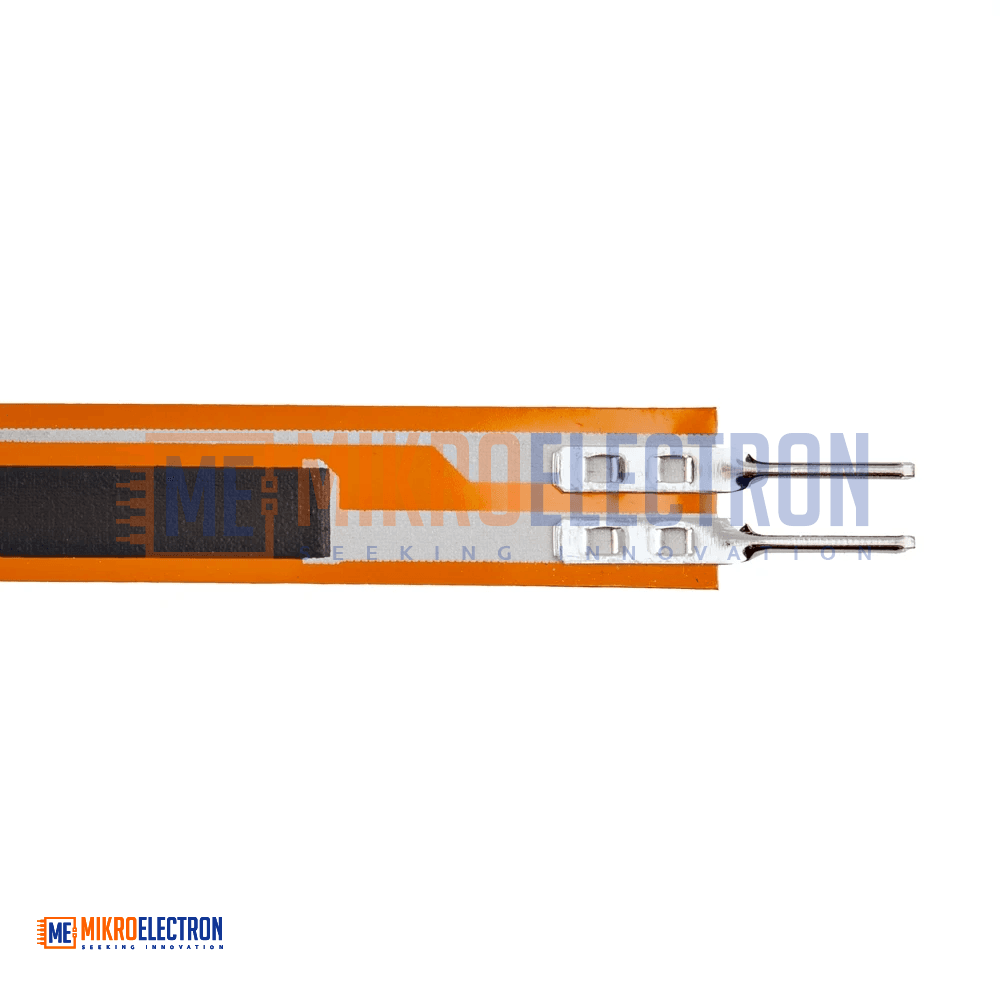
For rapid prototyping, the sensor includes pre-installed male header pins, enabling direct connection to breadboards and popular development platforms such as Arduino, ESP32, STM32, Raspberry Pi (with ADC), and other embedded systems.
Whether used in research laboratories, industrial automation, educational projects, or wearable technology, the SpectraFlex™ Flex Sensor delivers exceptional precision, repeatability, and durability.
Specifications
| Specification | 55mm Version | 95mm Version |
|---|---|---|
| Product Type | Resistive Flex Sensor | Resistive Flex Sensor |
| Sensor Length | 55 mm | 95 mm |
| Flat Resistance | 18 kΩ ±20% | 18 kΩ ±20% |
| Resistance Change | 2× at 180° bend over 8mm radius | 2× at 180° bend over 8mm radius |
| Repeatability | ±2% | ±2% |
| Maximum Bend Angle | 180° | 180° |
| Recommended Bend Radius | 2.5–8 mm | 2.5–8 mm |
| Life Cycle | >2 Million Bend Cycles | >2 Million Bend Cycles |
| Operating Temperature | –35°C to +80°C | –35°C to +80°C |
| Pin Type | Pre-installed Male Pins | Pre-installed Male Pins |
| Technology | Low-Drift Flex Sensing | Low-Drift Flex Sensing |
Applications
- Wearable electronics
- Robotics and robotic joints
- Motion capture systems
- Gesture recognition devices
- Human-machine interfaces (HMI)
- Virtual reality (VR) and augmented reality (AR) controllers
- Prosthetics and rehabilitation equipment
- Gaming controllers
- Medical and biomechanical research
- Educational electronics projects
- Arduino and ESP32 development
- Interactive art and creative installations