
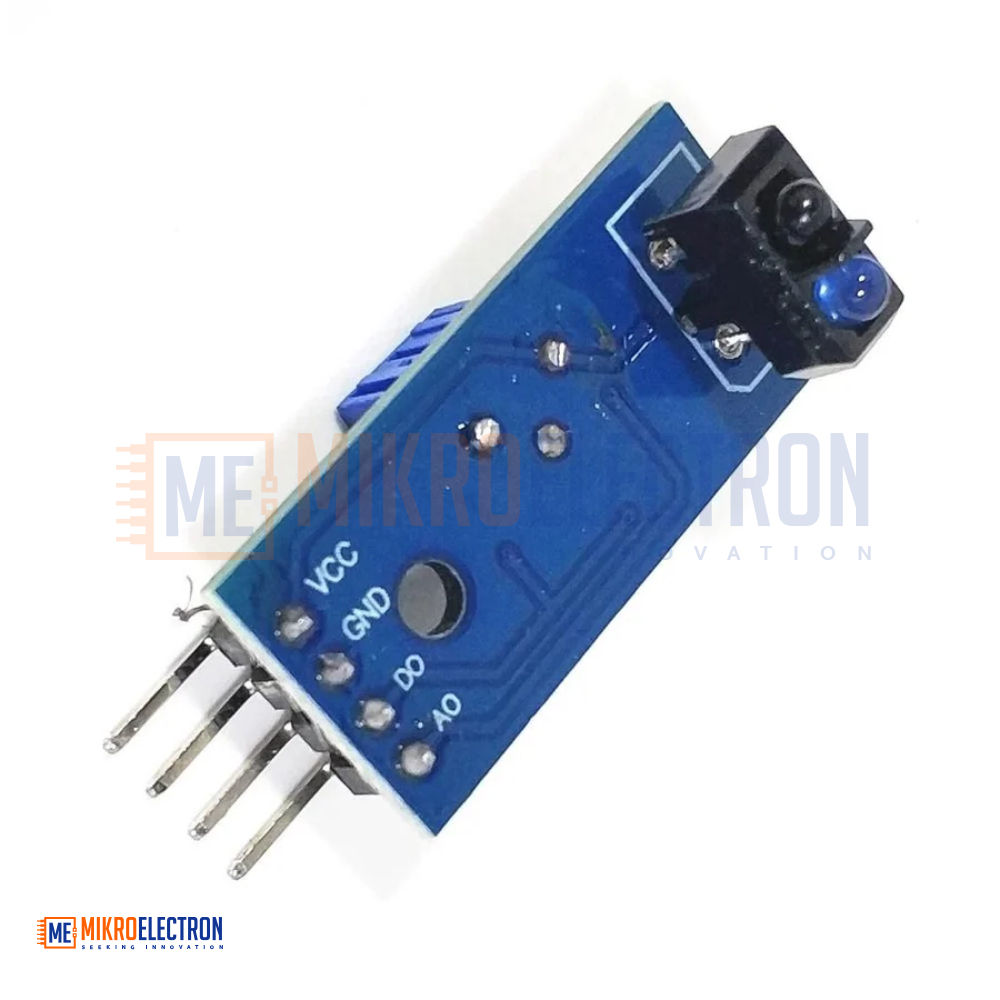
TCRT5000 Infrared Reflective Photoelectric Switch Line Tracking Sensor Module (for line follower)
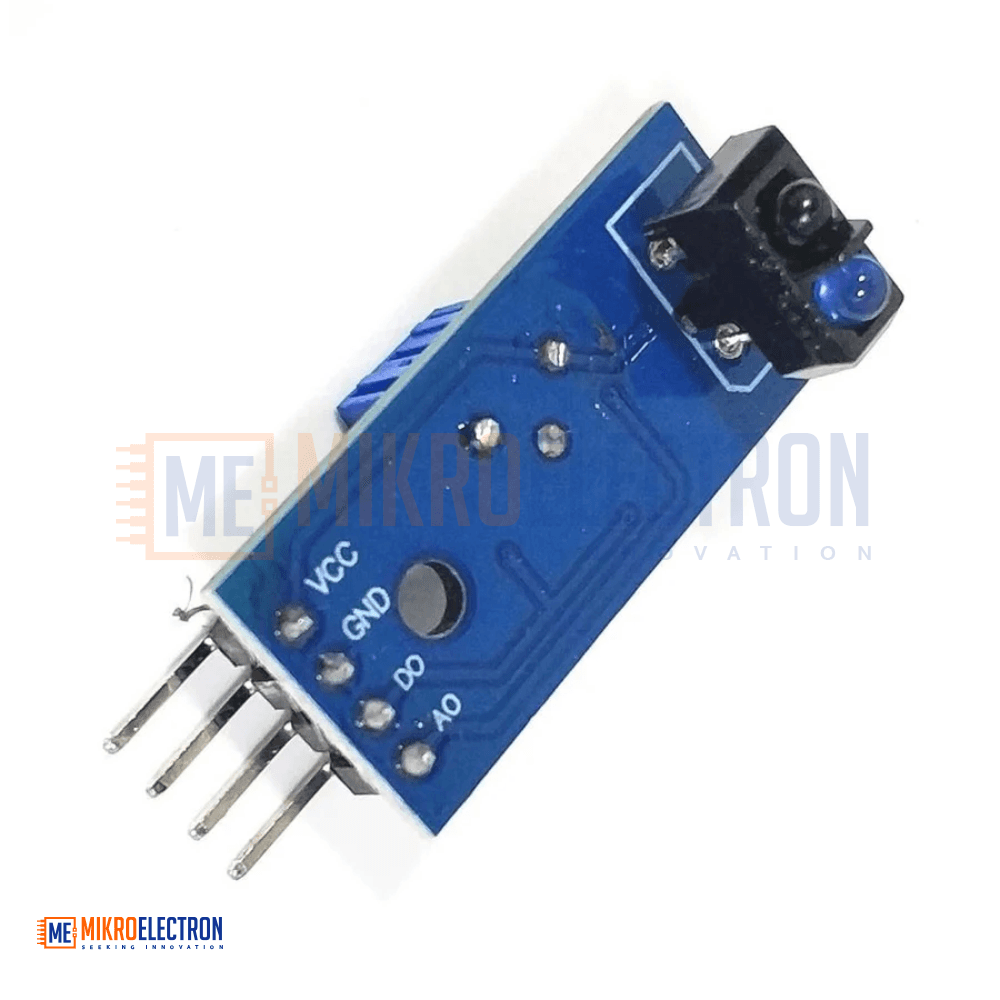
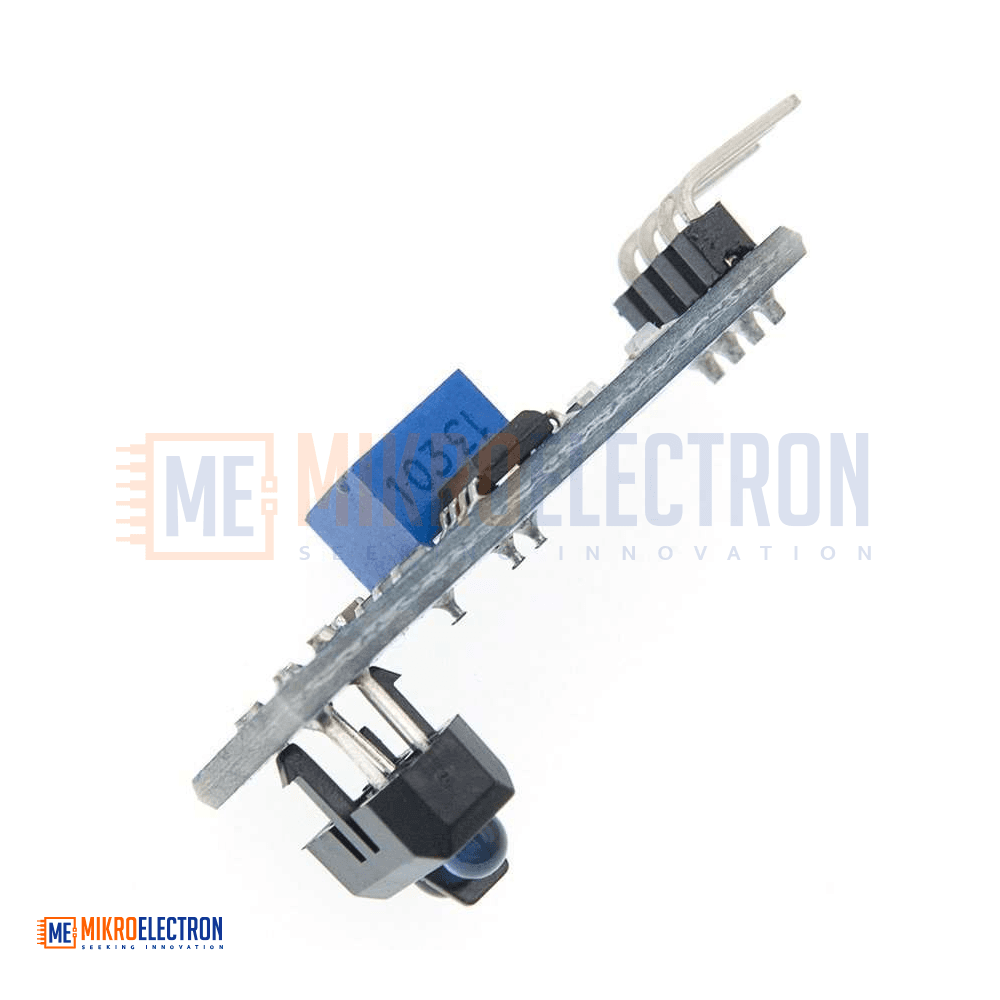
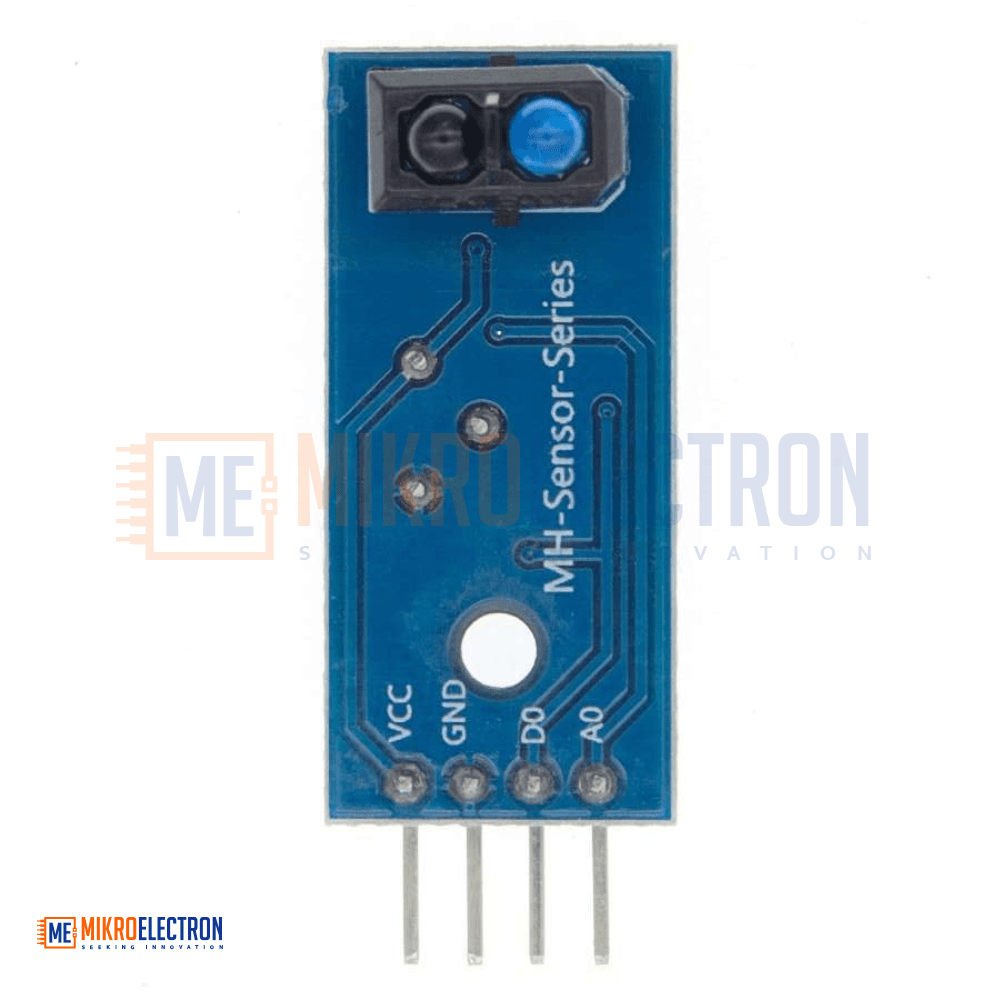
The TCRT5000 Line Tracking Sensor Module is an infrared reflective sensor designed for line-following robots and object detection. It uses an IR transmitter and receiver pair to detect surfaces, outputting 0V when an object is detected and 5V when not. With an adjustable potentiometer for sensitivity control and an LM393 voltage comparator, it reliably distinguishes between black and white surfaces. Its compact design, digital output, and simple interface make it ideal for robotics, Arduino projects, and automation applications.
وحدة مستشعر تتبع الخط TCRT5000 هي مستشعر انعكاسي بالأشعة تحت الحمراء مصمم لـروبوتات تتبع الخط واكتشاف الأجسام. يستخدم زوجًا من المرسل والمستقبل بالأشعة تحت الحمراء لاكتشاف الأسطح، ويُخرج 0 فولت عند اكتشاف جسم و5 فولت عند عدم وجوده. يحتوي على مقاومة متغيرة لضبط الحساسية ومقارن جهد LM393 لتمييز الأسطح البيضاء والسوداء. تصميمه المدمج يجعله مثاليًا لـمشاريع الروبوتات والأردوينو والأتمتة.
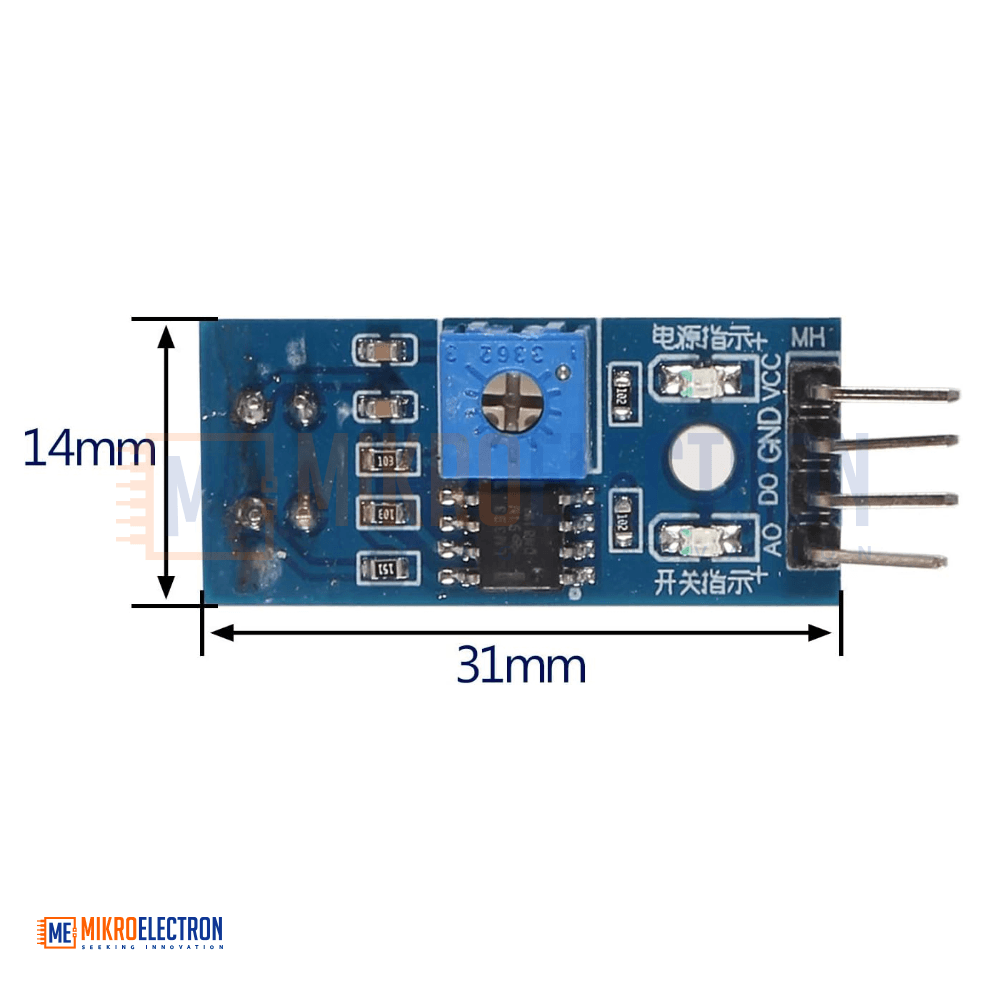
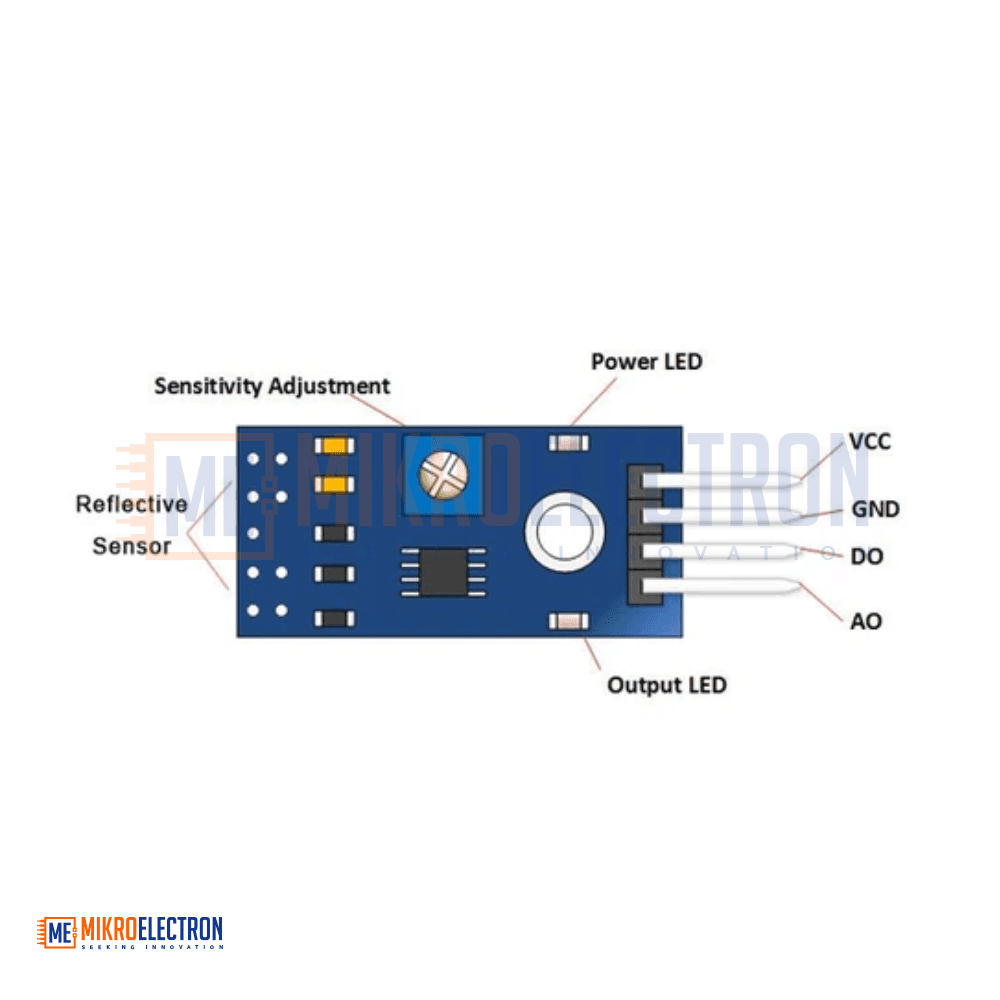
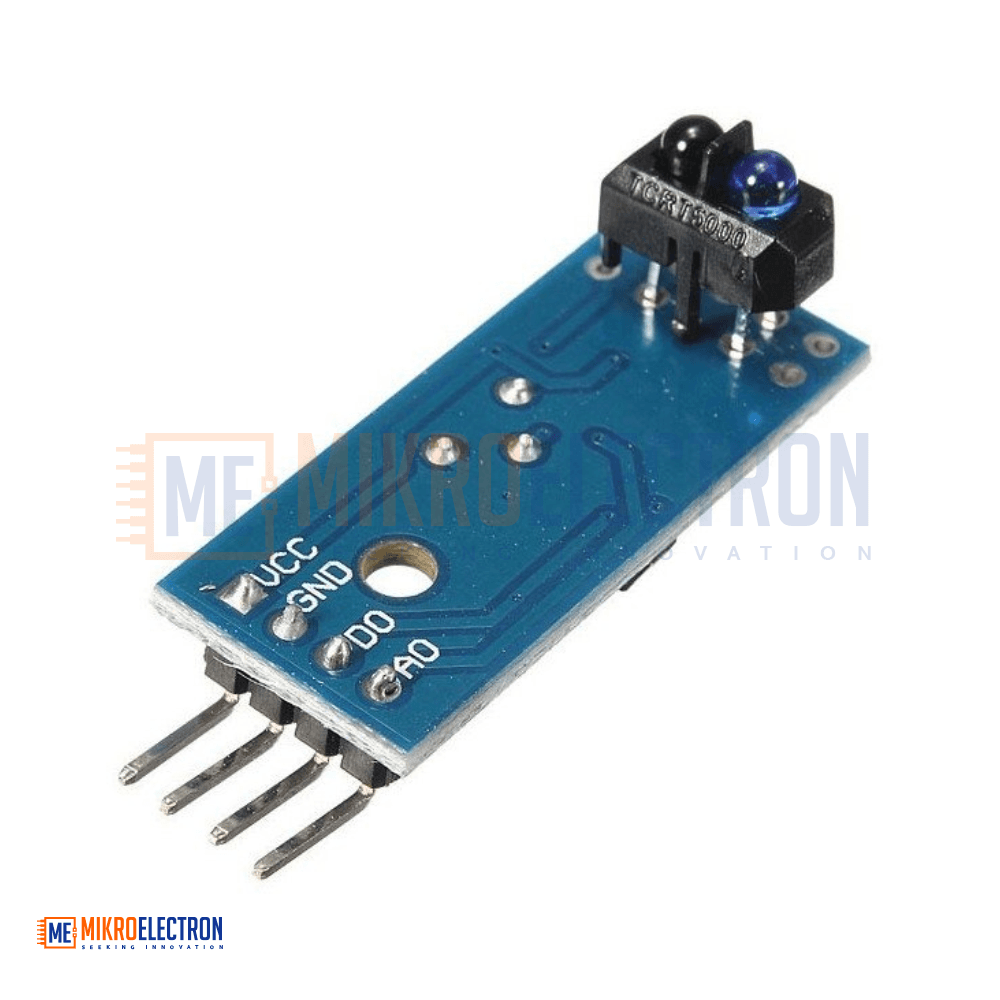
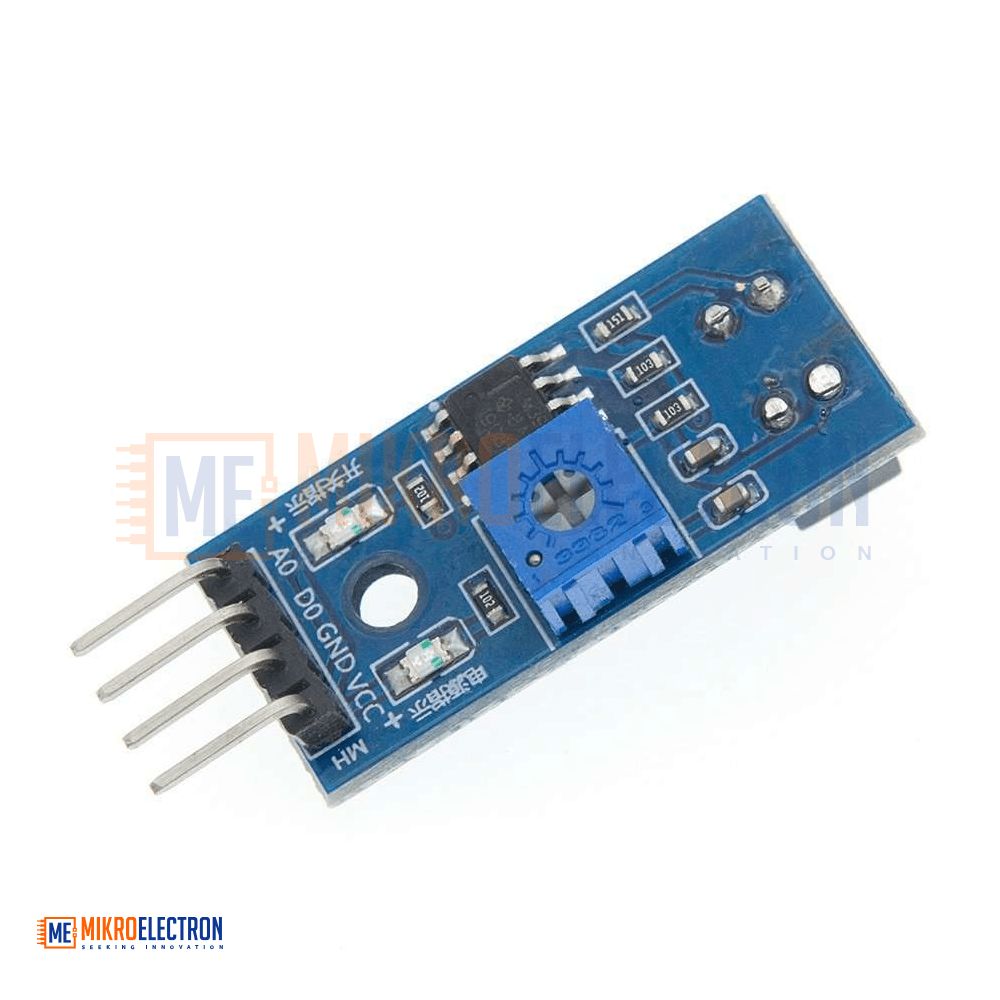
The TCRT5000 Infrared Reflective Photoelectric Switch Module is a single-channel line tracking sensor built around the popular TCRT5000 reflective optical sensor. This module is primarily designed for line-following robots, but it is equally effective in sumo robots, mini-sumo robots, object sorting systems, and edge detection applications. The sensor works by continuously emitting infrared light from its IR transmitter diode; when this light hits a surface, it is reflected back and detected by the IR receiver diode. Dark surfaces (like black lines) absorb most of the IR light, while light surfaces (like white paper) reflect it strongly, allowing the module to distinguish between the two. The module includes an on-board LM393 voltage comparator that converts the analog signal into a clean digital output (0 or 1), making it directly compatible with microcontroller GPIO pins. An adjustable potentiometer allows users to fine-tune the sensitivity based on ambient lighting and surface reflectivity. The optimal detection range is 1mm to 8mm, with a focal point at approximately 2.5mm, although the extended detection capability reaches up to 25mm under ideal conditions. LED indicators on the board provide visual feedback for power and signal output states, simplifying debugging and testing.
Specifications
- Sensor Model: TCRT5000
- Comparator Chipset: LM393
- Operating Voltage: 3.5V – 5V DC
- Operating Current: 15 mA
- Detection Distance: 1 mm – 25 mm
- Optimal Focal Distance: 2.5 mm
- Output Type: Digital (0 or 1)
- Output Channels: Single channel
- Sensitivity Adjustment: On-board potentiometer
- Indicator LEDs: Power LED and Output signal LED
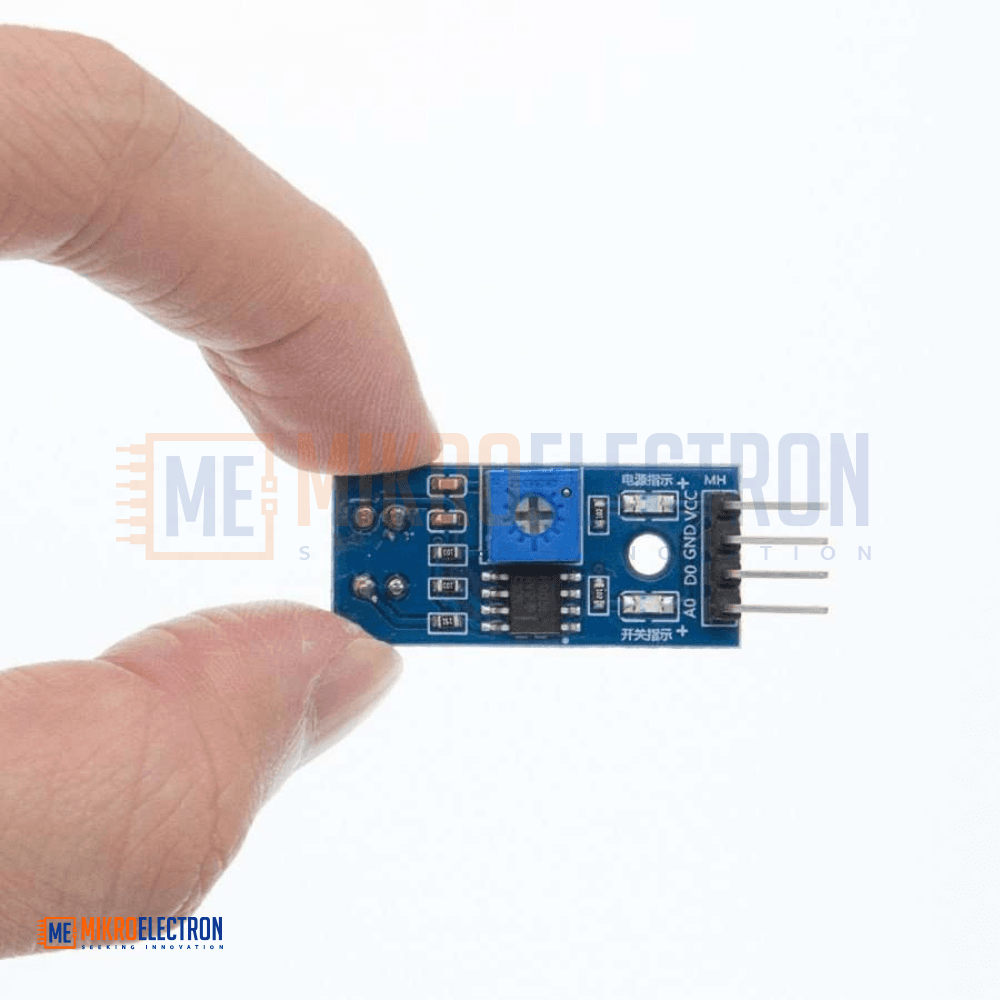
- Dimensions (L × W × H): 32 mm × 11 mm × 20 mm
- Weight: 22 grams
- Mounting: Fixed bolt hole for easy installation
- Microcontroller Compatibility: Arduino, Raspberry Pi, PIC, AVR, STM32
Applications
- Used in line-following robots to track black lines on white surfaces (or vice versa).
- Essential in sumo and mini-sumo robots for edge detection and ring boundary recognition.
- Employed in object sorting systems that sort items by color or reflectivity.
- Used in obstacle detection for small autonomous robots.
- Applied in conveyor belt systems to count or detect passing objects.
- Common in maze-solving robots for navigation and path detection.
- Used in industrial automation for product counting and positioning.
- Ideal for DIY robotics projects and Arduino-based experiments.
- Applied in proximity sensing for short-range object detection.
- Used in educational robotics kits to teach sensor interfacing.
- Found in smart vehicle prototypes for lane detection.
- Employed in printer and scanner mechanisms to detect paper position.