
RS232 Serial Port To TTL Converter Module
Out Of Stock
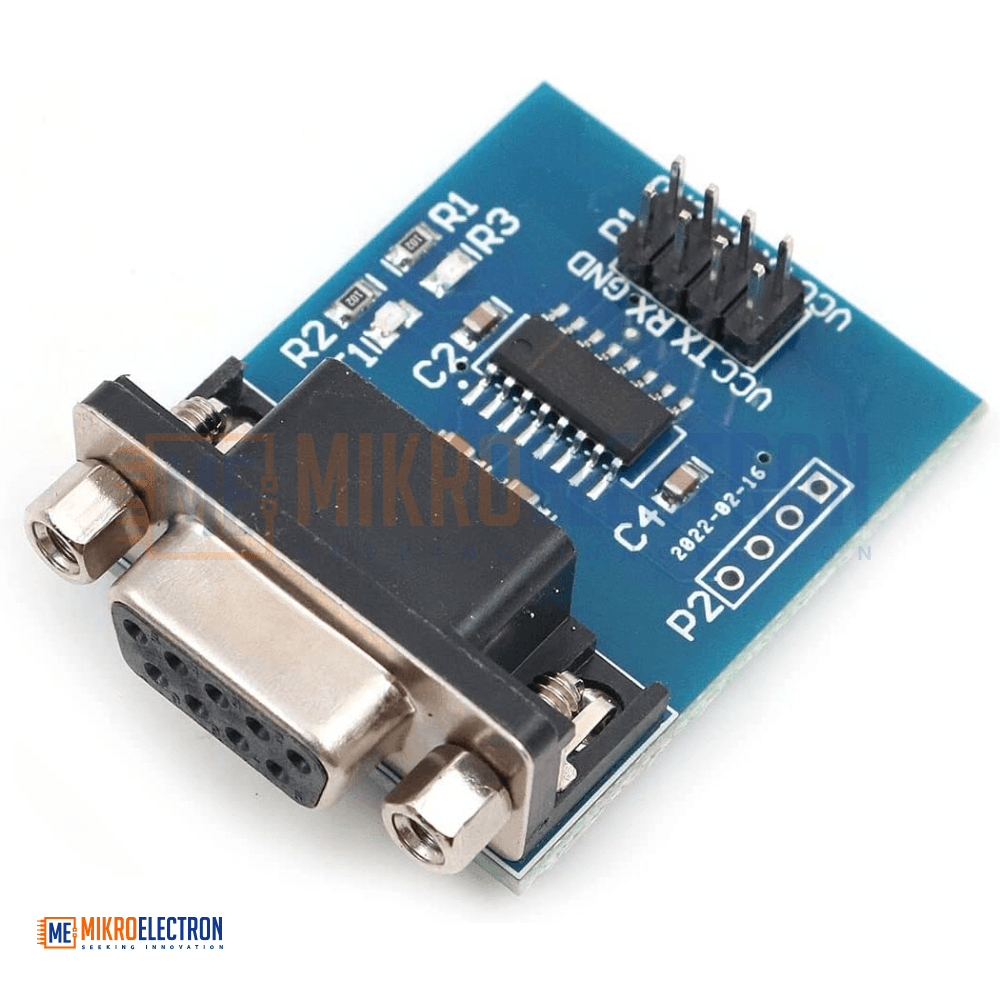
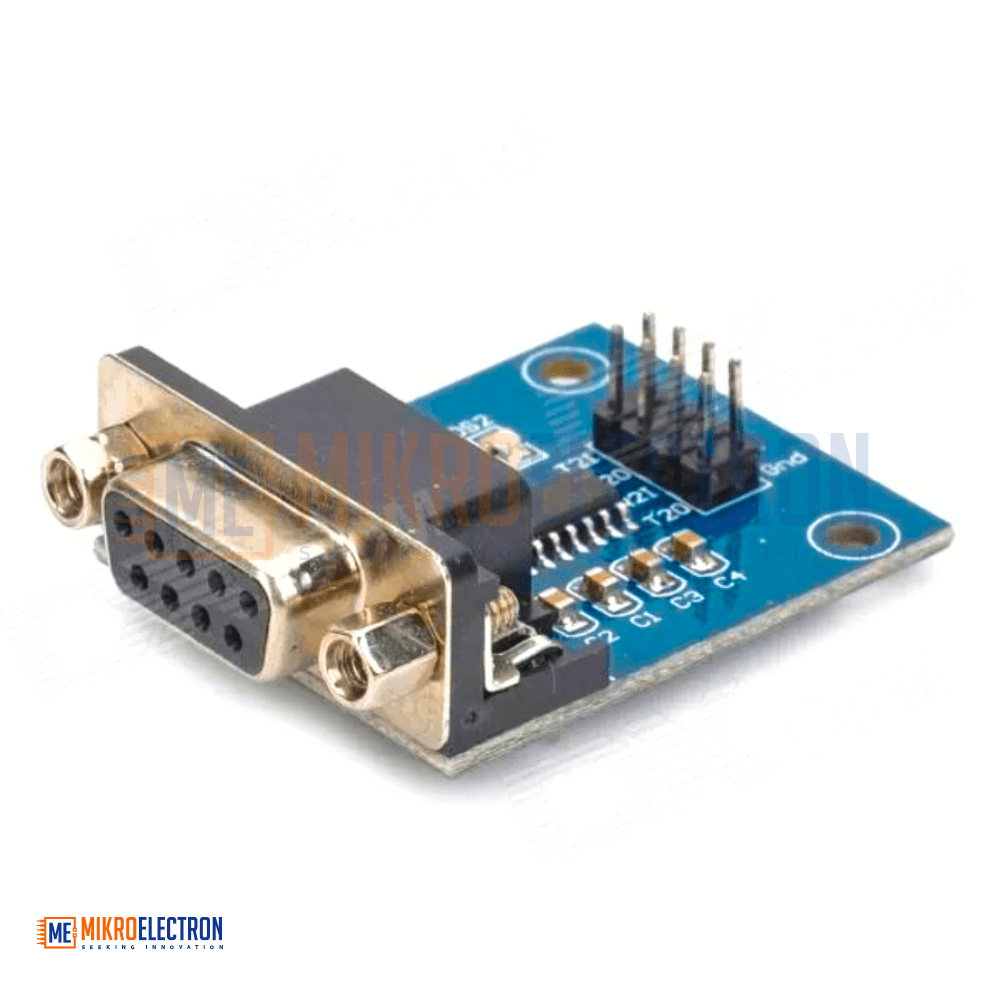
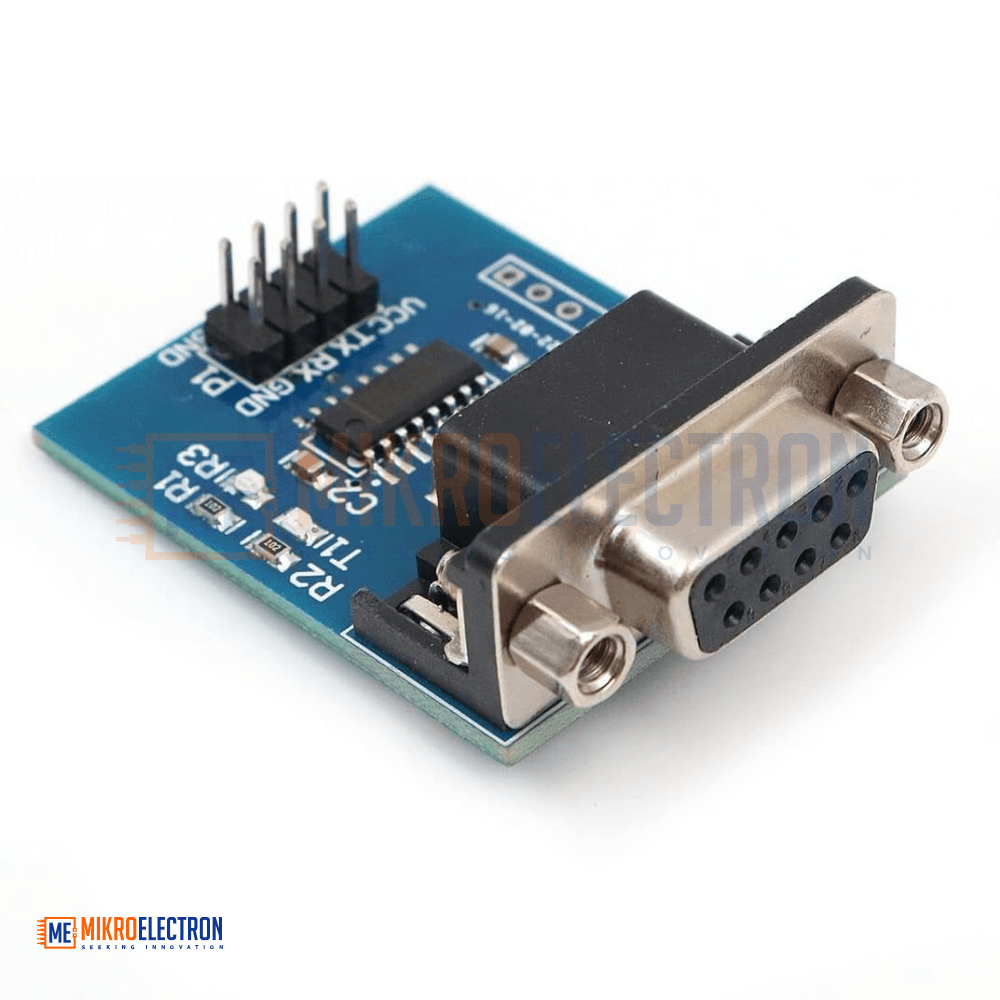
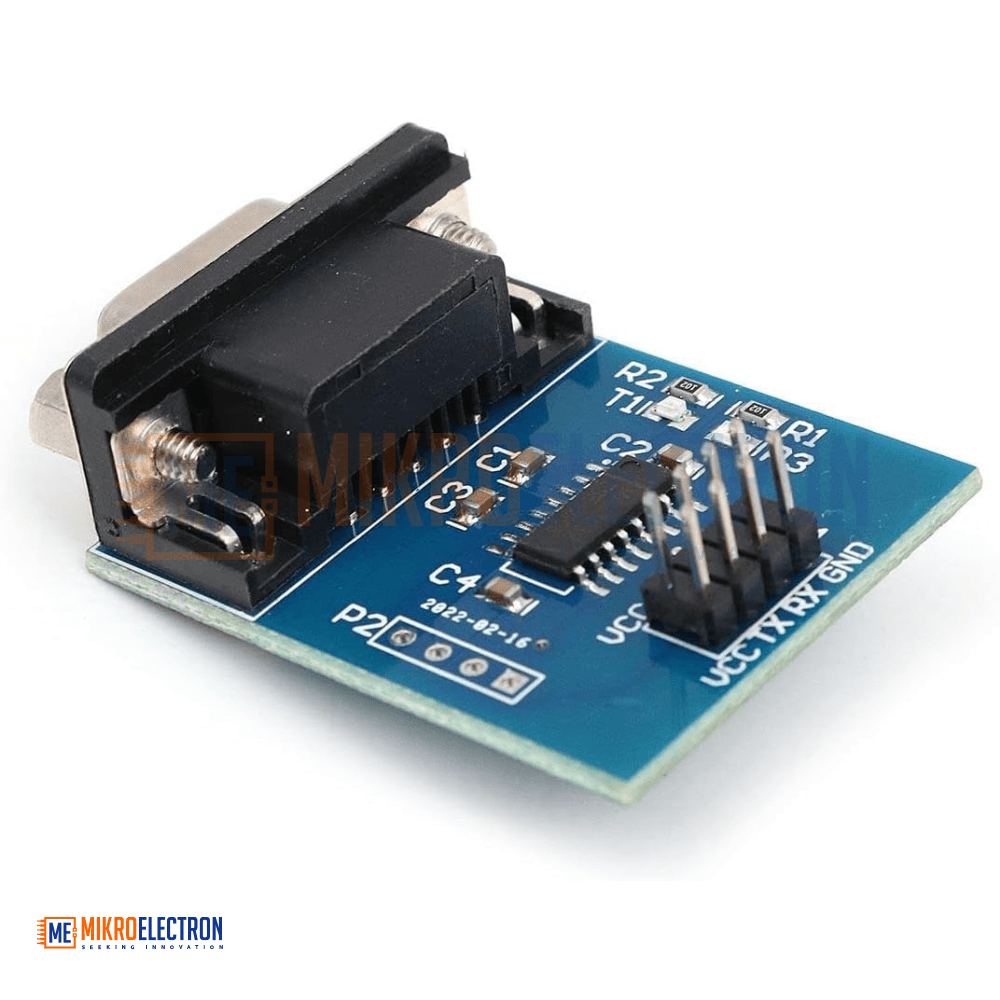
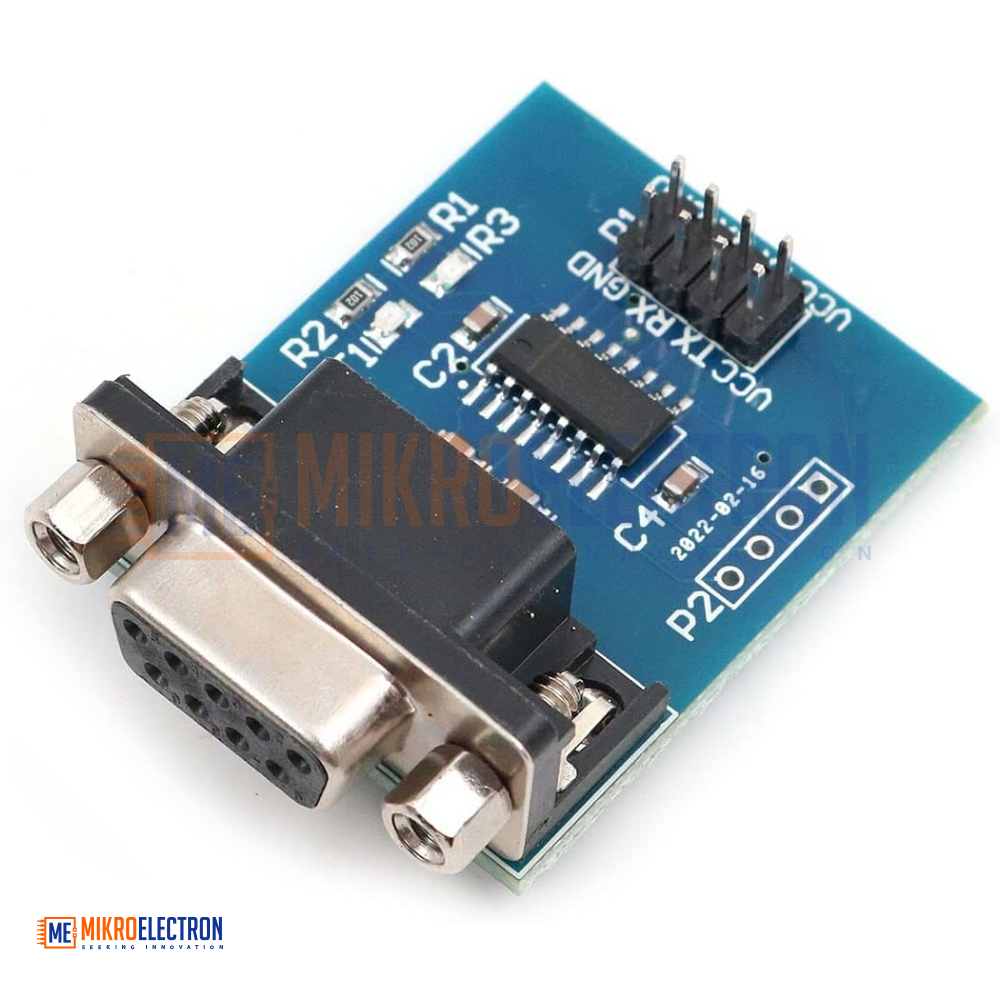
The RS232 to TTL Converter Module is a bidirectional signal level converter based on the reliable MAX3232 chip. It converts RS232 serial signals to TTL logic levels compatible with microcontrollers like Arduino, STM32, PIC, and AVR. Supporting both 3.3V and 5V operation, it features a female DB9 connector for easy PC connection. Ideal for interfacing microcontrollers with PCs, firmware upgrades for DVDs, routers, hard drives, and embedded systems, tested at 115200 baud rate for reliable communication.
وحدة تحويل RS232 إلى TTL هي محوّل مستويات إشارة ثنائي الاتجاه مبني على شريحة MAX3232 الموثوقة. يحوّل إشارات RS232 التسلسلية إلى مستويات منطق TTL متوافقة مع المتحكمات الدقيقة مثل Arduino وSTM32 وPIC وAVR. يدعم التشغيل بجهد 3.3 فولت و5 فولت، ويحتوي على منفذ DB9 أنثى لسهولة التوصيل بالكمبيوتر. مثالي لتوصيل المتحكمات بالحاسوب وترقية البرامج الثابتة لأجهزة DVD والراوترات والأقراص الصلبة، وتم اختباره بسرعة 115200 بود.
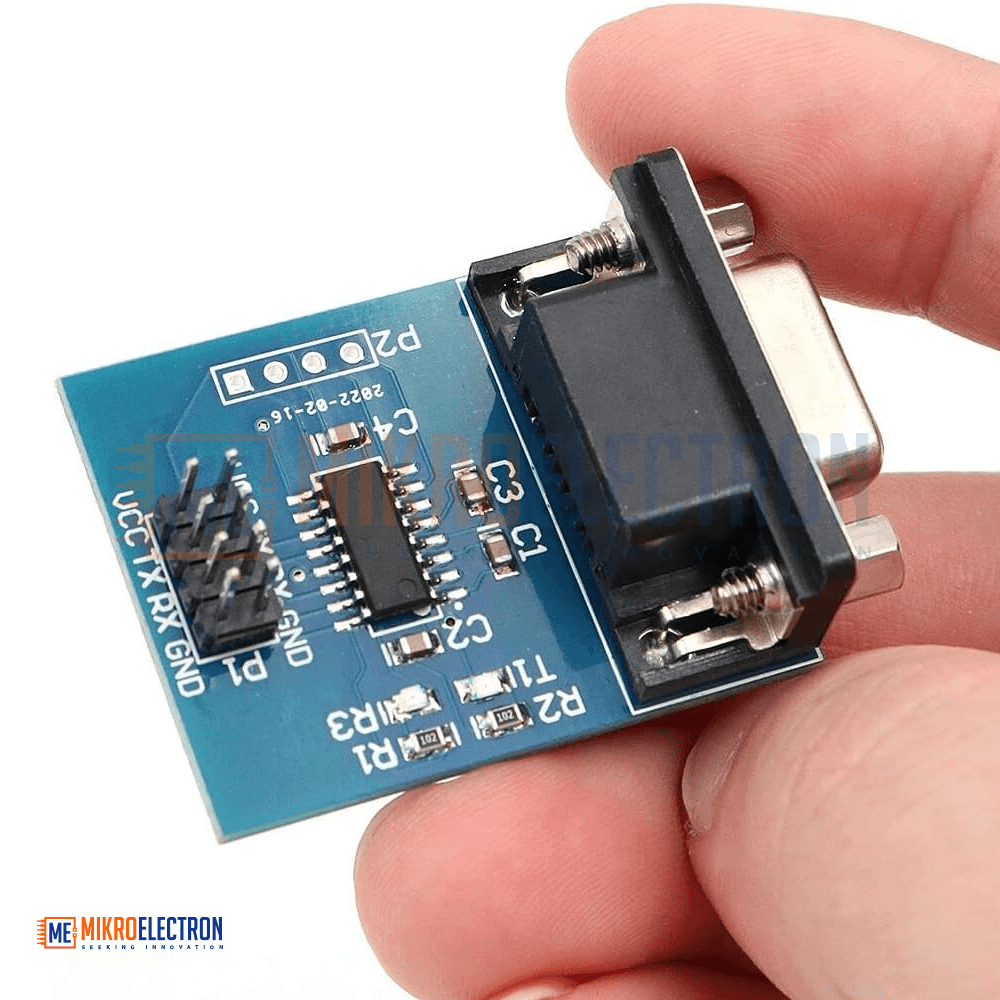
The RS232 Serial Port to TTL Converter Module is an essential interface tool used to bridge the gap between legacy RS232 communication devices and modern TTL-level microcontrollers. RS232 uses voltage levels ranging from -15V to +15V (typically ±12V), which would instantly damage sensitive 3.3V or 5V TTL logic devices. This module, built around the industry-standard MAX3232 IC, safely converts signals in both directions, allowing seamless communication between PCs, industrial controllers, and microcontroller-based systems. The module has been factory-tested using an STM32 development board at 3.3V and 115200 baud rate, ensuring reliable out-of-the-box performance. It features a female DB9 RS232 connector that plugs directly into standard RS232 cables, while the TTL side provides VCC, GND, TX, and RX pins for easy connection to microcontrollers. This converter is widely used for firmware upgrades, serial debugging, GPS module interfacing, and communication with older industrial equipment such as DVDs, routers, hard drives, PLCs, and embedded systems. Its compact 4.5 × 3.5 cm design makes it easy to integrate into any project or control enclosure.
Specifications
- Module Type: RS232 to TTL Bidirectional Converter
- Main IC: MAX3232
- Operating Voltage: 3.3V or 5V DC
- RS232 Connector: DB9 Female
- Default Baud Rate (Tested): 115200 bps
- Maximum Baud Rate: Up to 250 kbps
- Communication Mode: Full-duplex
- Data Lines: TX (Transmit) and RX (Receive)
- Compatibility: STM32, Arduino, PIC, AVR, and most microcontrollers
- Module Dimensions: Approximately 4.5 × 3.5 cm (L × W)
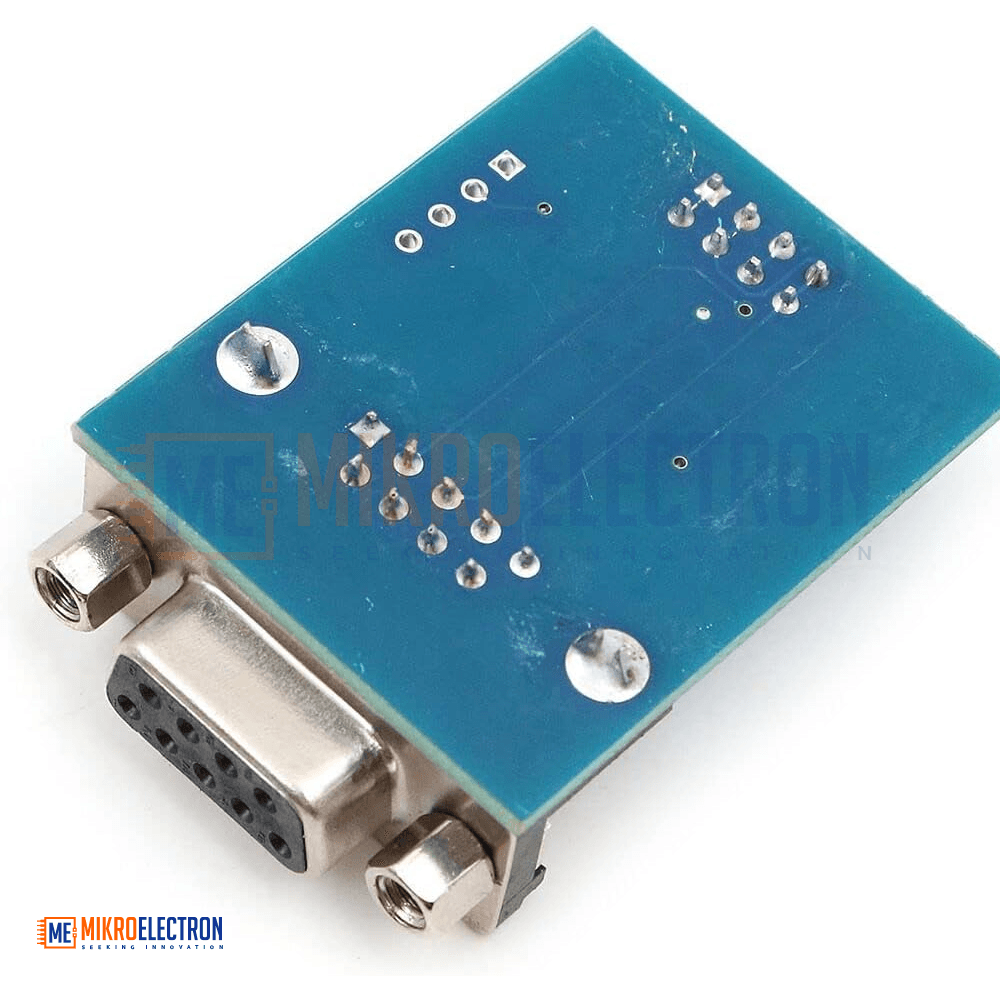
- PCB Design: Double-sided with P1 dual 4-pin ports (identical function)
Pin Configuration
- Pin 1, 2: VCC (3.3V or 5V)
- Pin 3, 4: TX (Data Transmission)
- Pin 5, 6: RX (Data Reception)
- Pin 7, 8: GND (Ground)
Note: The two 4-pin ports on P1 share the same function, allowing easier wiring in different orientations.
Applications
- Used for interfacing microcontrollers with PCs through RS232 serial ports.
- Essential for firmware upgrades of DVDs, routers, modems, and hard drives.
- Employed in serial debugging of embedded systems and microcontrollers.
- Used with GPS modules, GSM modules, and Bluetooth modules that output RS232 signals.
- Common in industrial automation to interface PLCs with microcontrollers.
- Ideal for STM32 and Arduino projects requiring RS232 communication.
- Applied in legacy equipment upgrades and retrofit projects.
- Used in CNC machines and 3D printer control systems.
- Found in POS (Point of Sale) systems and cash registers.
- Employed in IoT gateways to bridge old and new devices.
- Used in data logging from industrial sensors with RS232 output.
- Ideal for robotics projects requiring PC-to-microcontroller communication.
- Applied in home automation with older serial-based devices.
- Found in automotive diagnostics and OBD interfaces.
- Used in telecommunications equipment for configuration and monitoring.