
Keypad 4x4
4x4 Matrix 16 Key Membrane Switch Keypad Keyboard for Arduino/AVR/PIC/ARM
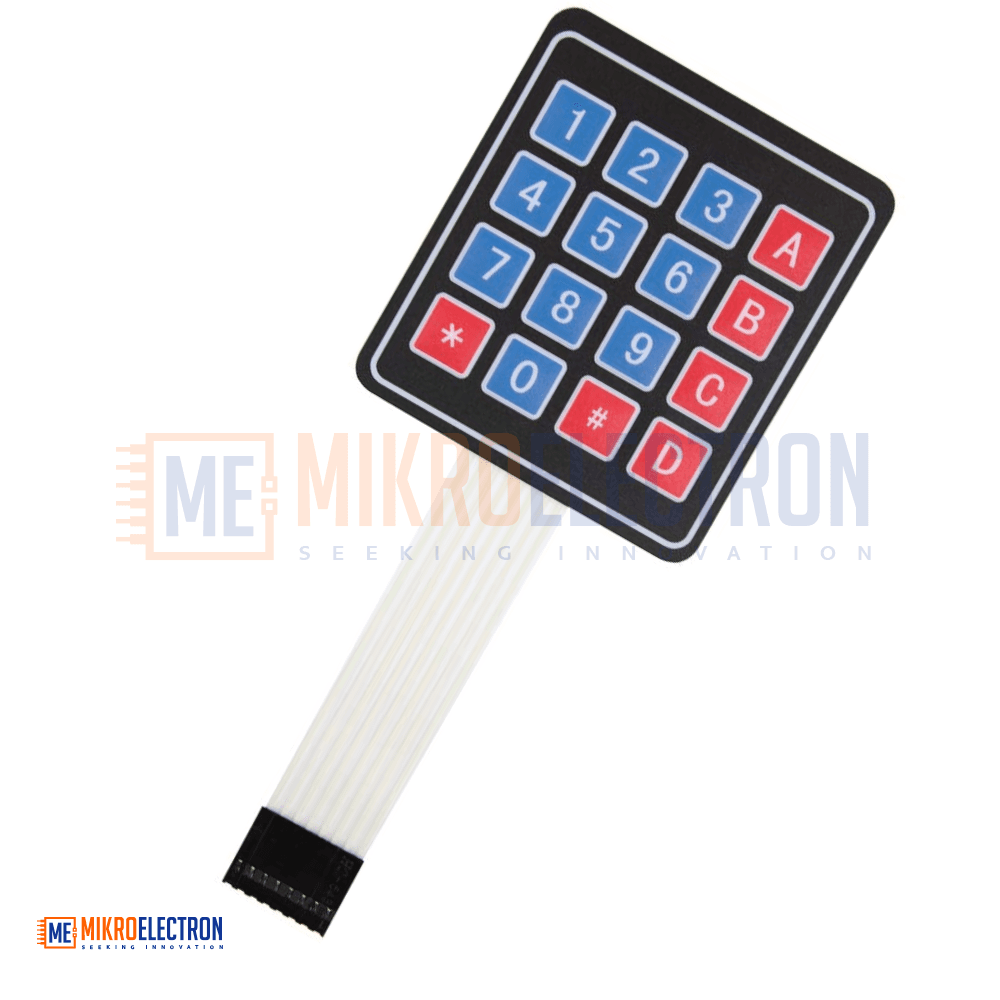
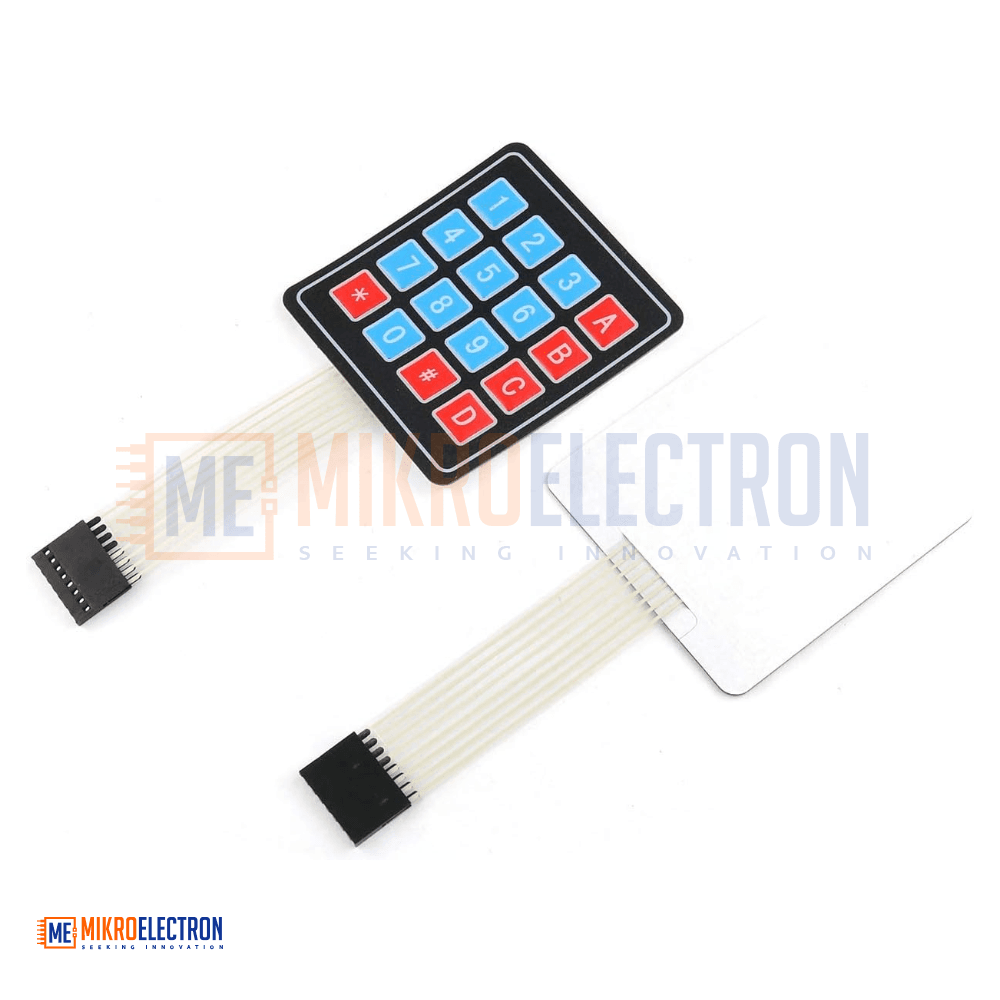
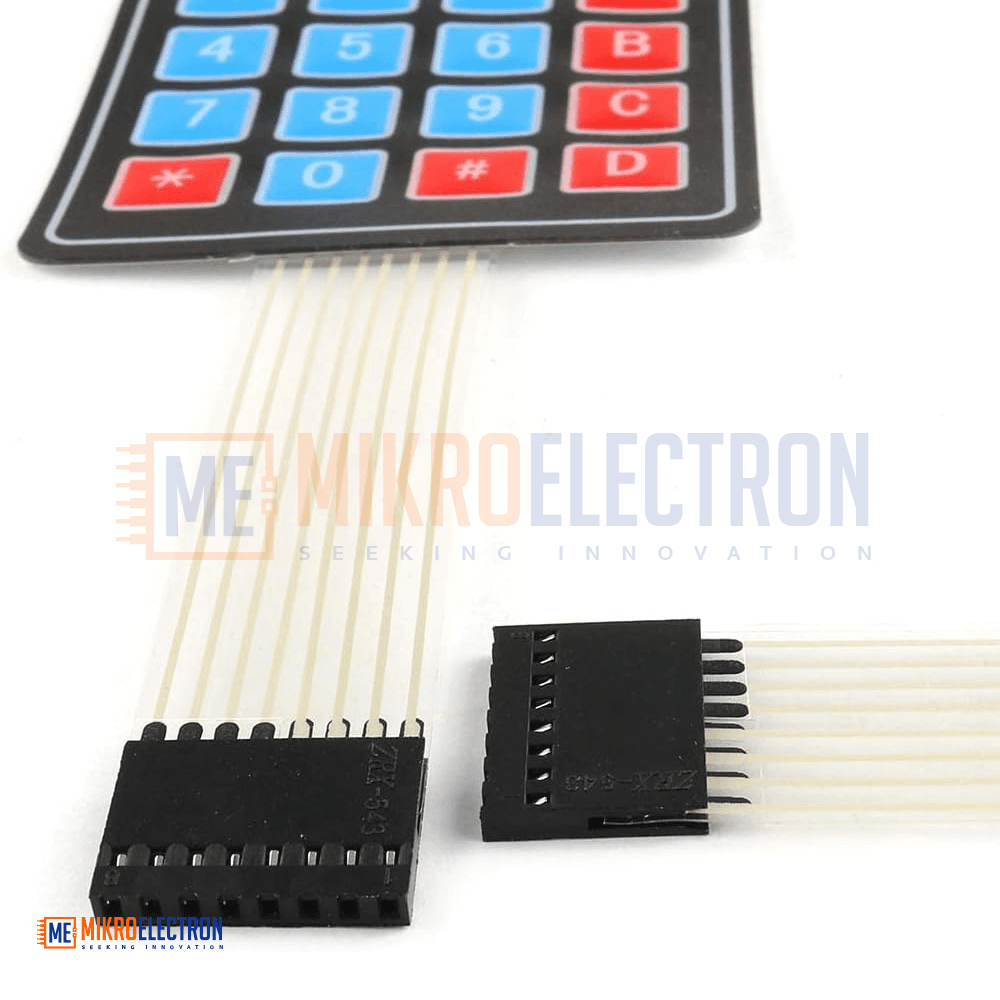
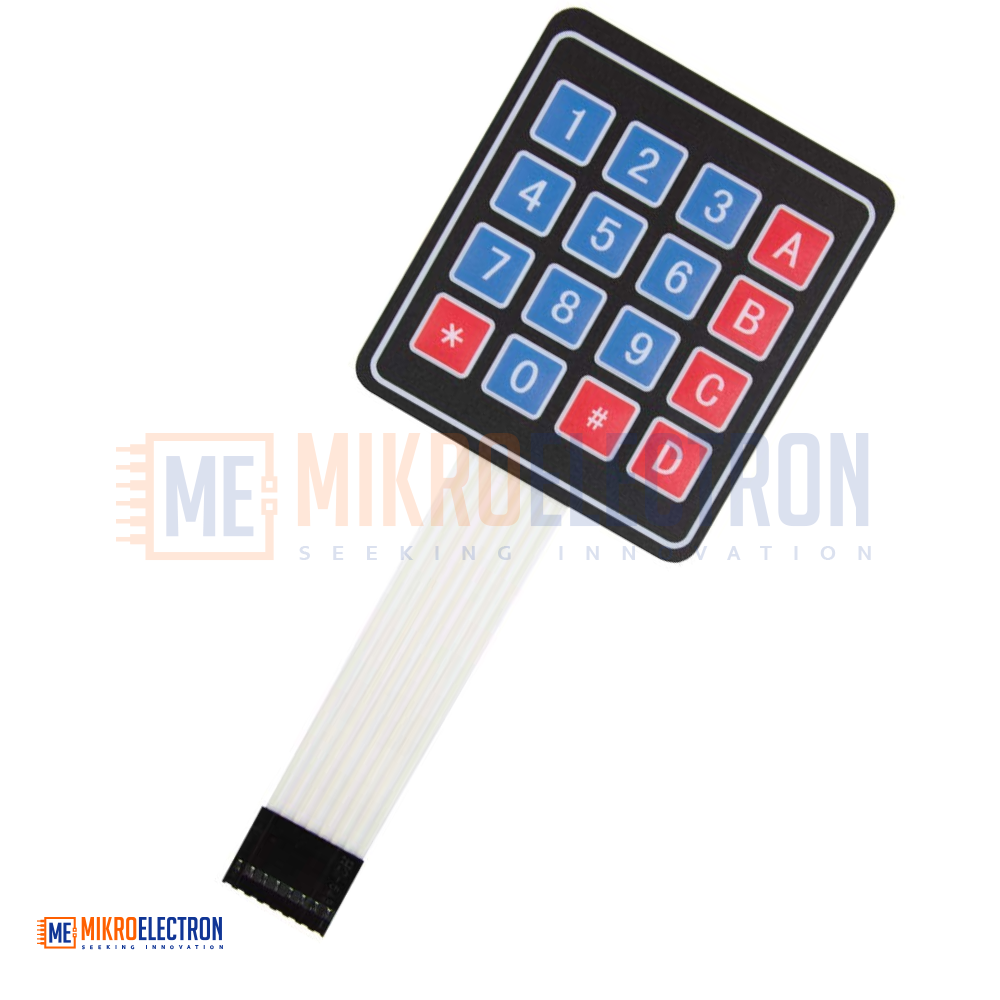
The 4x4 Matrix 16-Key Membrane Switch Keypad is an ultra-thin, flexible input keyboard with 16 individual keys arranged in a 4×4 matrix layout. Connected via a standard 8-pin 2.54mm pitch connector, it integrates effortlessly with Arduino, AVR, PIC, ARM, ESP32, and Raspberry Pi. Featuring an adhesive back for easy mounting, this lightweight keypad is ideal for password entry systems, access control, calculators, menu navigation, and DIY electronics projects requiring user input.
لوحة المفاتيح الغشائية 4x4 بـ 16 زر هي لوحة إدخال رقيقة ومرنة تحتوي على 16 مفتاحاً مرتبة في شكل مصفوفة 4×4. تتصل عبر موصل قياسي 8 سن بمسافة 2.54 ملم، وتتكامل بسهولة مع Arduino و AVR و PIC و ARM و ESP32 و Raspberry Pi. تتميز بظهر لاصق لسهولة التركيب، وهي خفيفة الوزن ومثالية لـ أنظمة إدخال كلمة المرور، والتحكم بالدخول، والآلات الحاسبة، وقوائم التنقل، ومشاريع الإلكترونيات DIY التي تتطلب إدخال المستخدم.
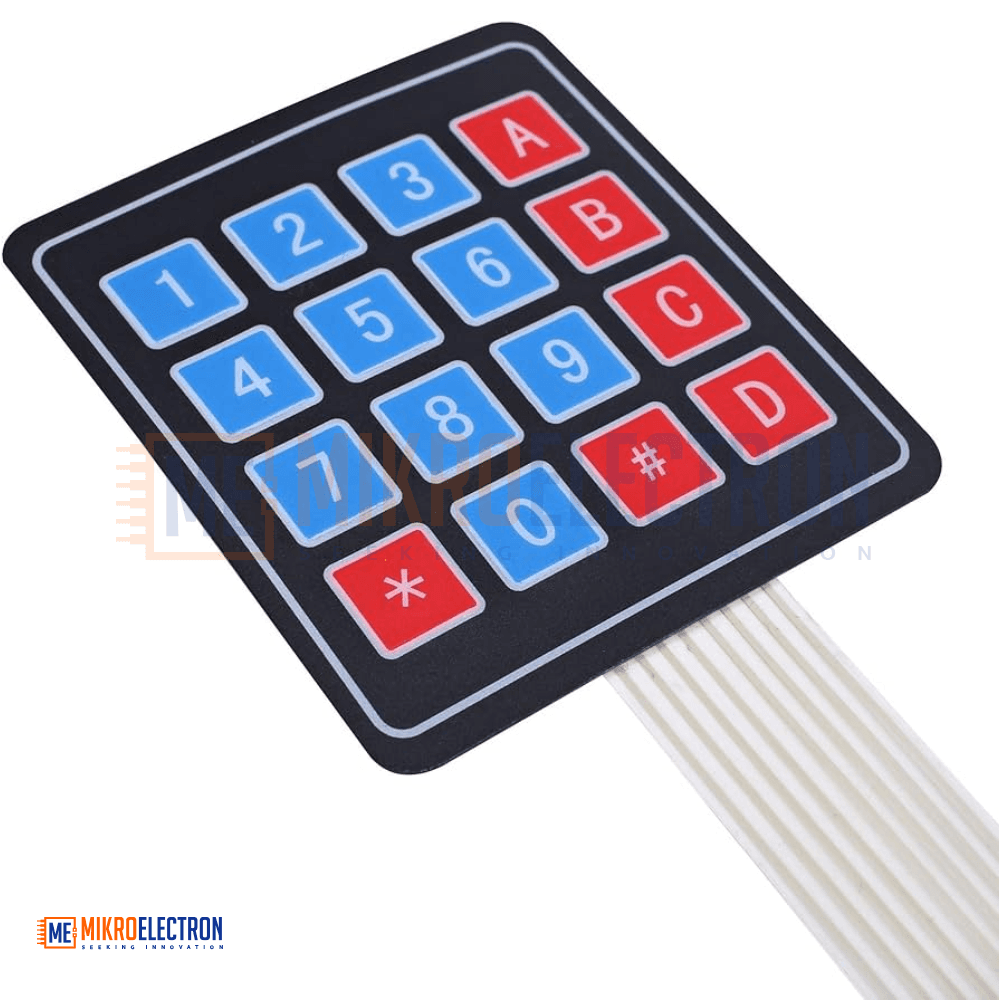
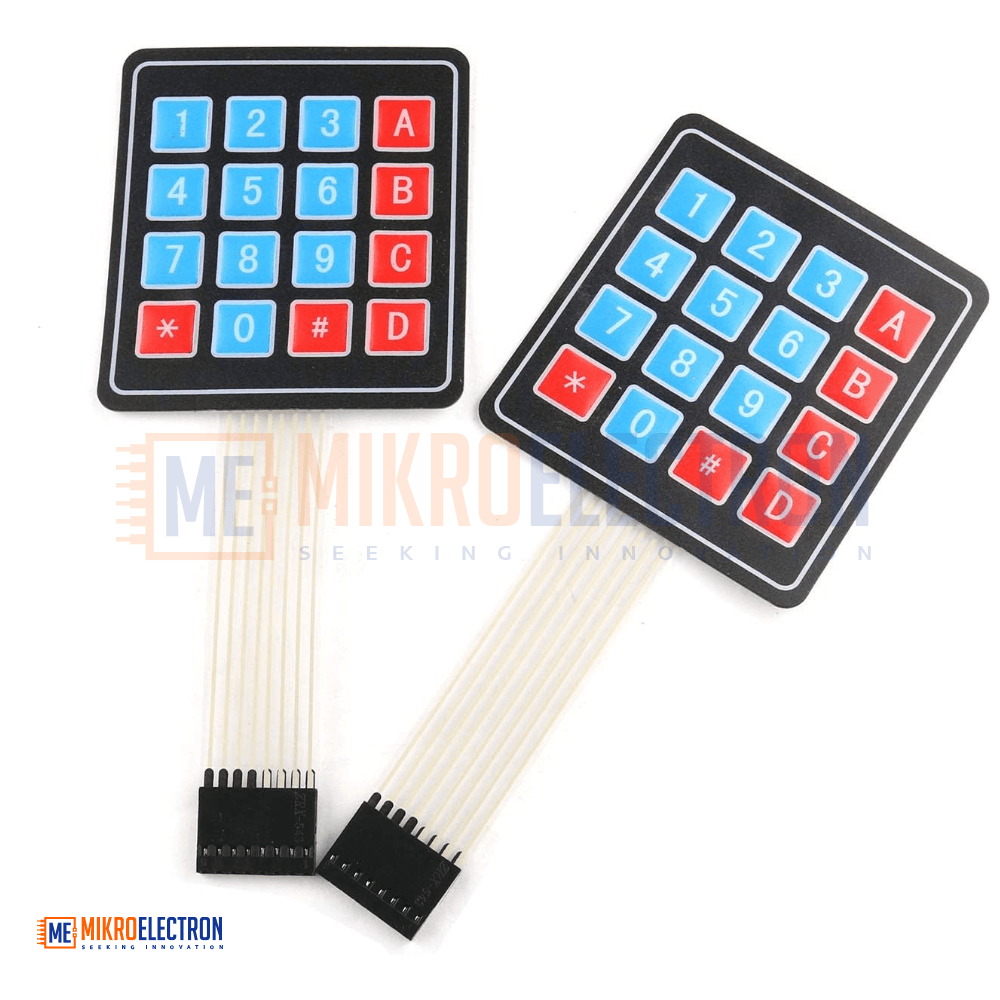
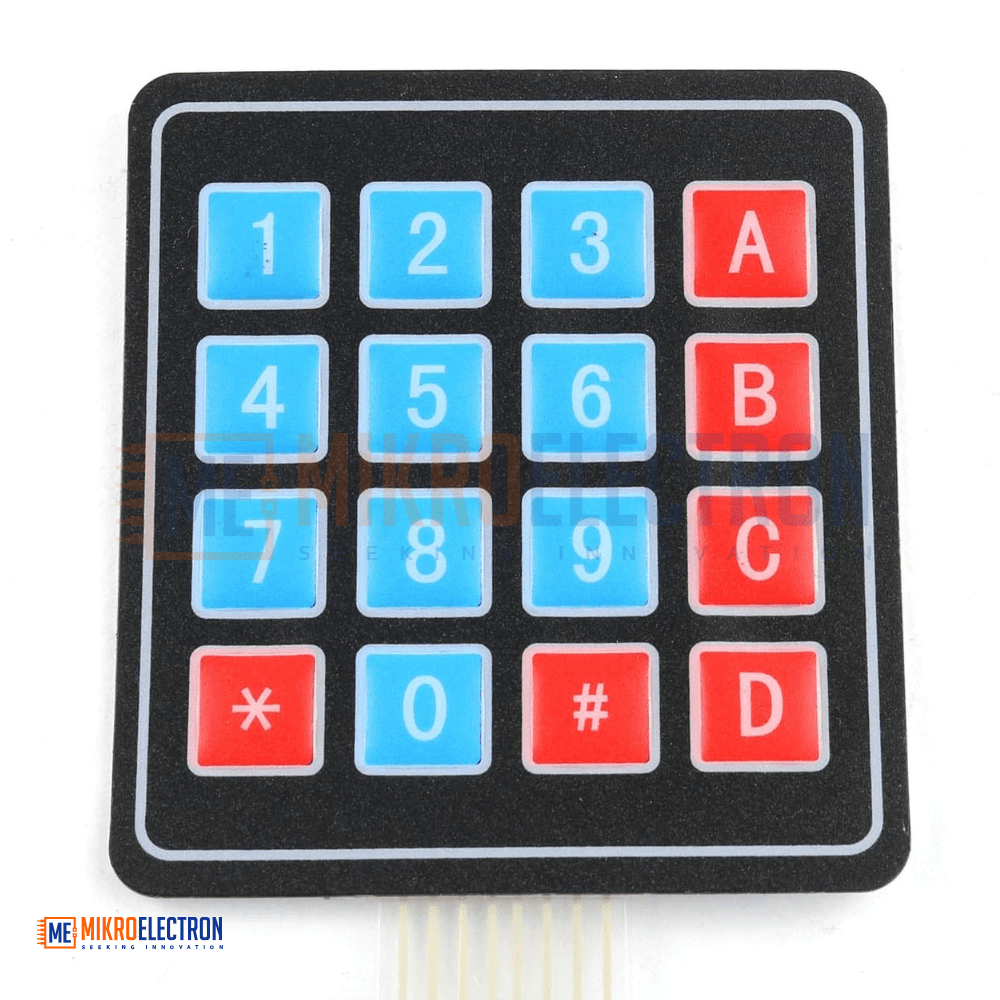
The 4x4 Matrix 16-Key Membrane Switch Keypad is a slim, flexible, and durable input device designed to add user keypad functionality to any embedded electronics project. Featuring 16 keys (numbers 0–9, letters A–D, and the symbols * and #) arranged in a standard 4×4 matrix layout, this keypad is one of the most popular input components used in DIY electronics, education, and prototyping.
The matrix wiring scheme allows all 16 keys to be read using only 8 microcontroller pins (4 rows + 4 columns), making it extremely pin-efficient. The keypad is supplied with a flat ribbon cable terminated in an 8-pin 2.54mm pitch connector, which plugs directly into a standard breadboard, Arduino header, or PCB socket — no soldering required. The keypad is fully supported by the popular Arduino Keypad library, which makes reading key presses and managing debouncing extremely simple.
Constructed from high-quality membrane material, the keypad is soft to the touch and provides a satisfying tactile click on each press. Its ultra-thin profile (only 0.8mm thick) allows it to be mounted on virtually any surface — from project enclosures and panels to robot chassis and device front-faces. The adhesive backing ensures the keypad stays firmly in place once installed.
This keypad is fully compatible with all major microcontroller platforms, including Arduino (Uno, Mega, Nano), ATmega AVR, PIC, STM32 ARM, ESP32, ESP8266, and Raspberry Pi, making it a universal input solution for hobbyists, students, and professional engineers alike.
Specifications
- Type: 4×4 Matrix Membrane Switch Keypad
- Number of Keys: 16 (0–9, A–D, *, #)
- Layout: Matrix (4 rows × 4 columns)
- Connector: 8-pin male connector (4 rows + 4 columns)
- Connector Pitch: 2.54 mm (Standard Dupont/Header Compatible)
- Operating Voltage: Compatible with both 3.3V and 5V logic systems
- Maximum Current: 30 mA per key (typical)
- Key Lifespan: >1,000,000 actuations (typical)
- Material: PET Membrane (flexible plastic)
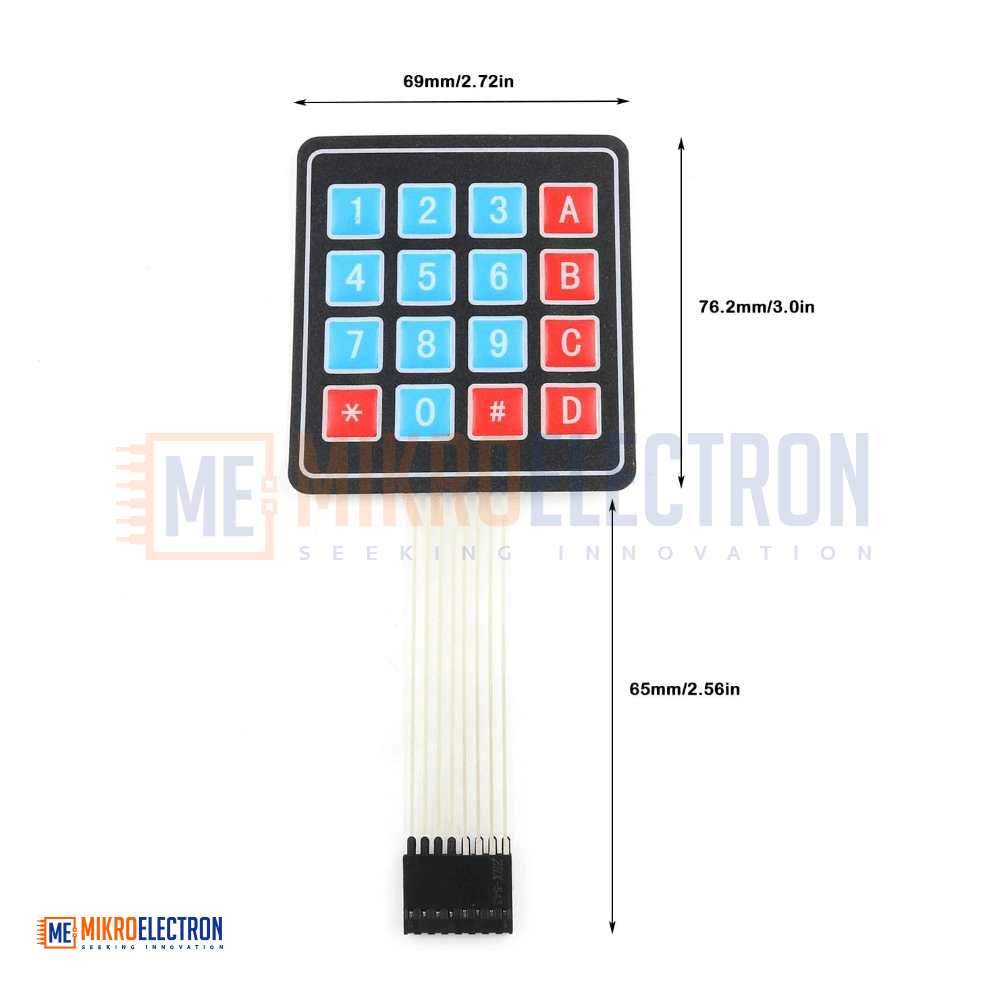
- Thickness: 0.8 mm (Ultra-Thin)
- Dimensions: 76 × 69 × 0.8 mm (L × W × T)
- Mounting: Adhesive Backing
- Operating Temperature: 0°C to +50°C
- Compliance: RoHS Compliant
- Package Contents: Quantity per package may vary (typically 1 or 2 pieces)
Applications
- Password & PIN Entry Systems — secure access control for doors and safes
- Smart Locks & Door Access Control — keypad-based authentication
- Menu Navigation Systems — controlling LCD-based menus and interfaces
- DIY Calculators — hobby-grade computing devices
- Home Automation — keypad-triggered scenes and commands
- Industrial Control Panels — operator input for embedded systems
- Alarm Systems — arm/disarm with PIN entry
- Robotics Control — manual command input for robot operations
- Number Entry Devices — phone dialers and code-entry units
- Educational & STEM Projects — teaching matrix scanning and input handling
- Arduino Projects — combining with LCD/OLED displays for full UI projects
- Electronic Combination Locks — DIY safe and locker systems
- POS (Point of Sale) Devices — input for hobby-level transaction systems
- Vending Machine Prototypes — product selection and code entry
- IoT Devices — local input on WiFi-connected smart devices