
Ear pulse sensor HRM-2511
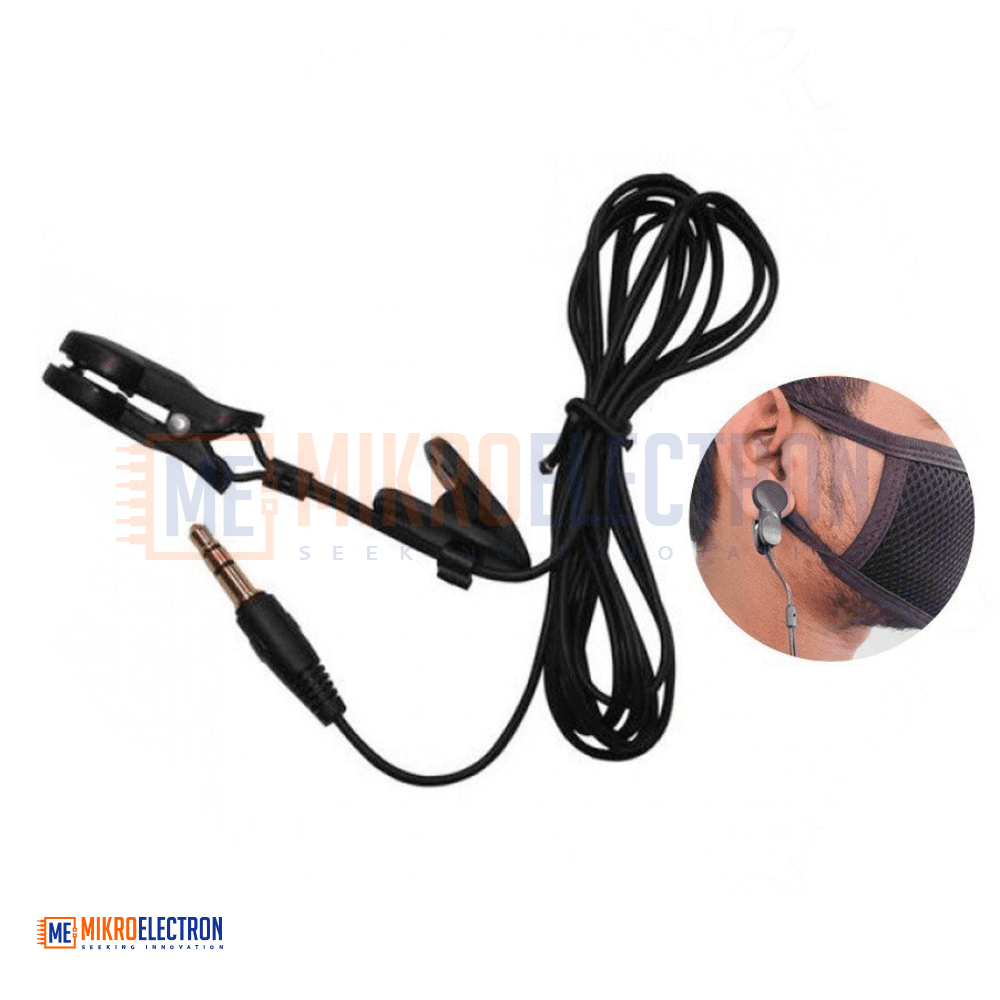
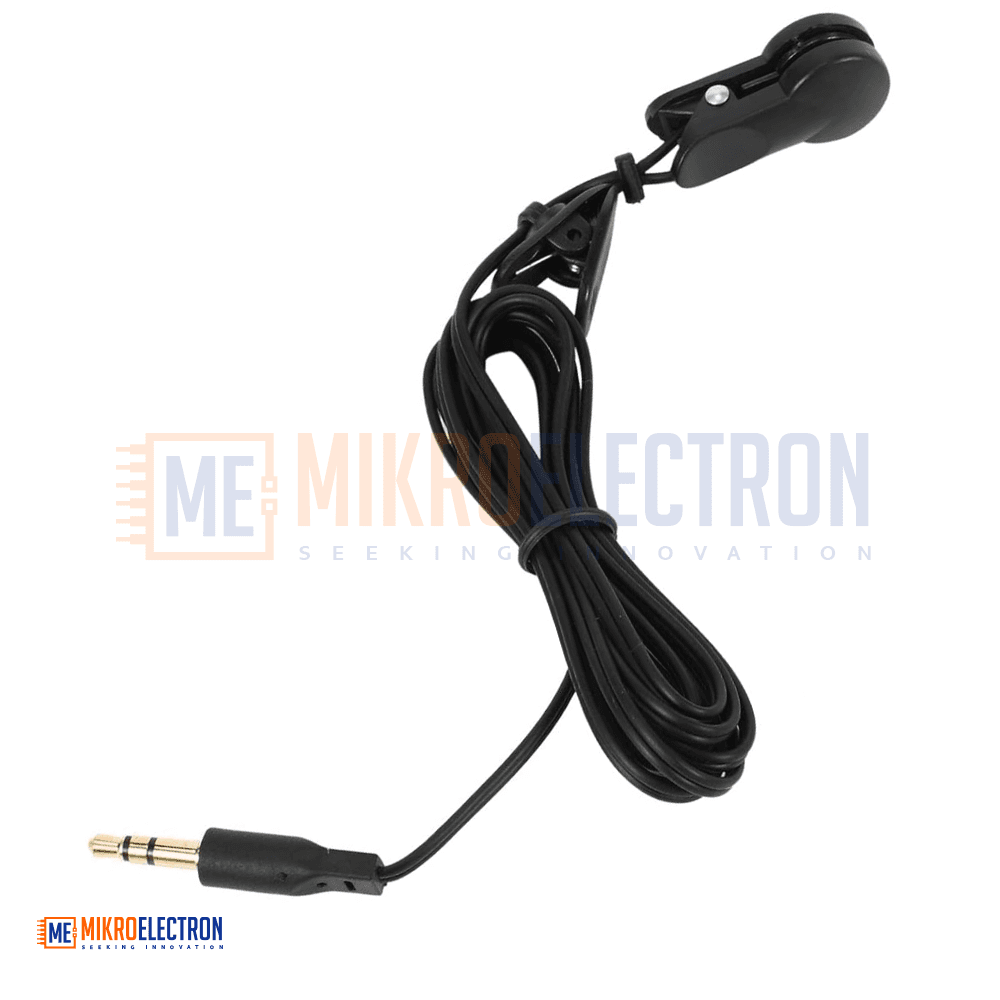
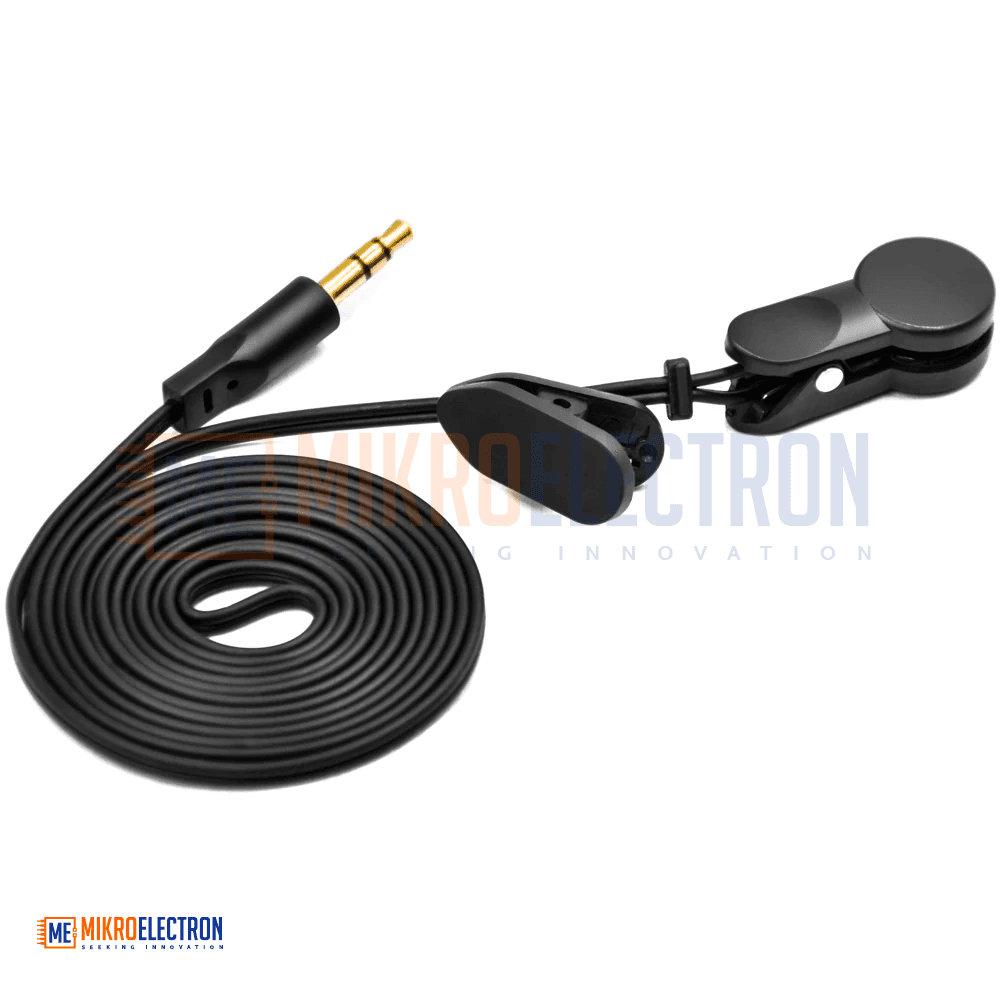
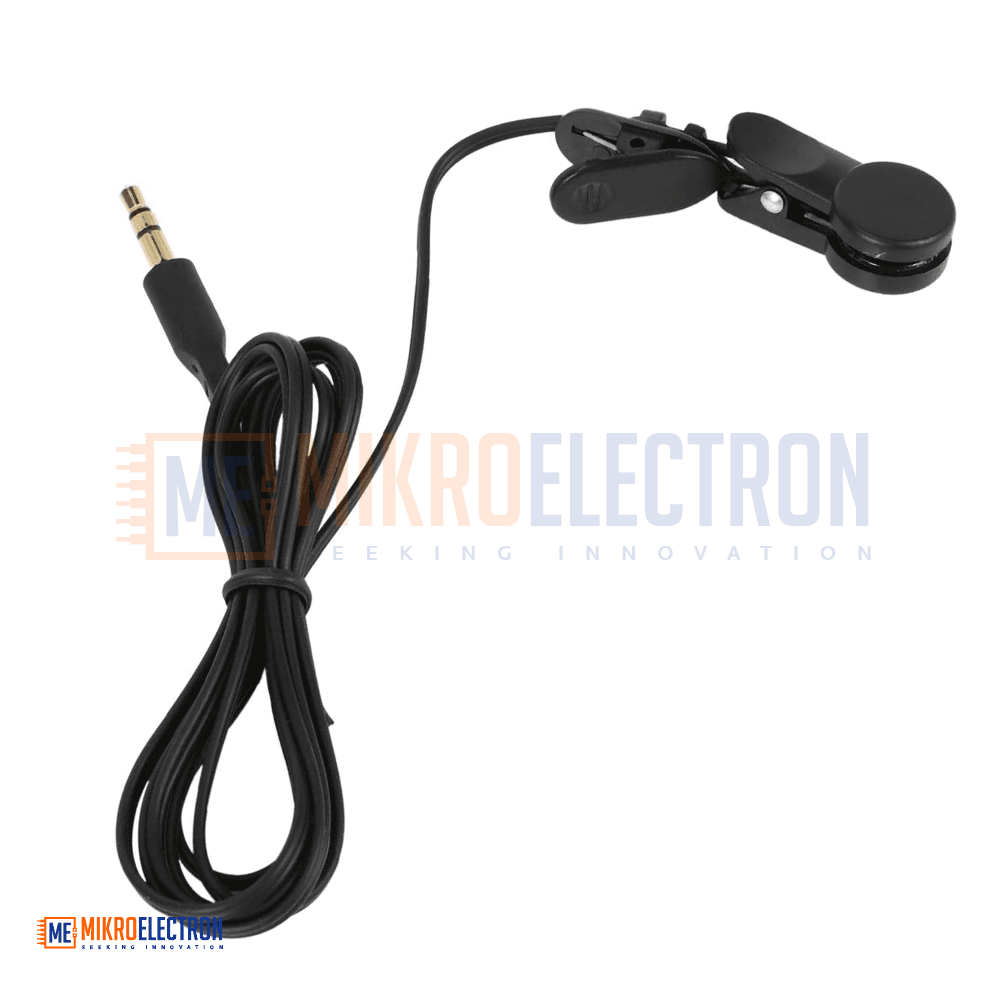
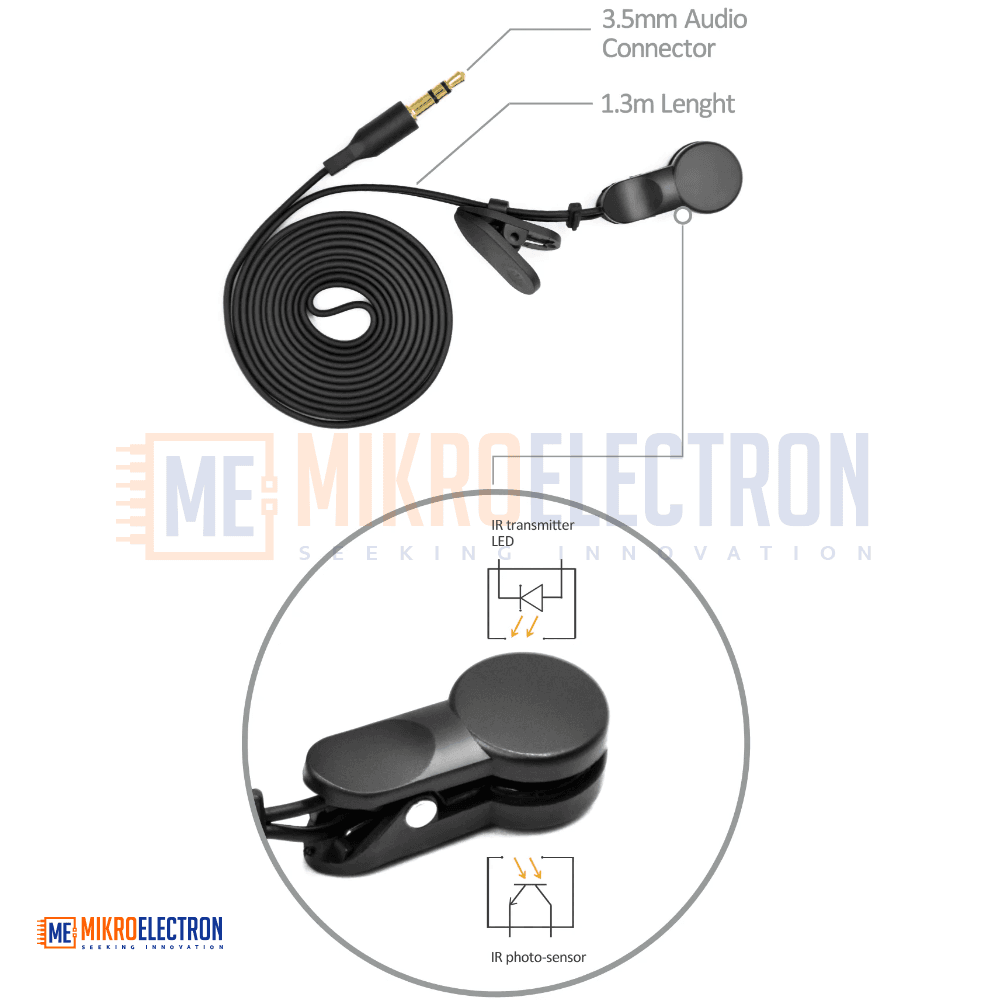
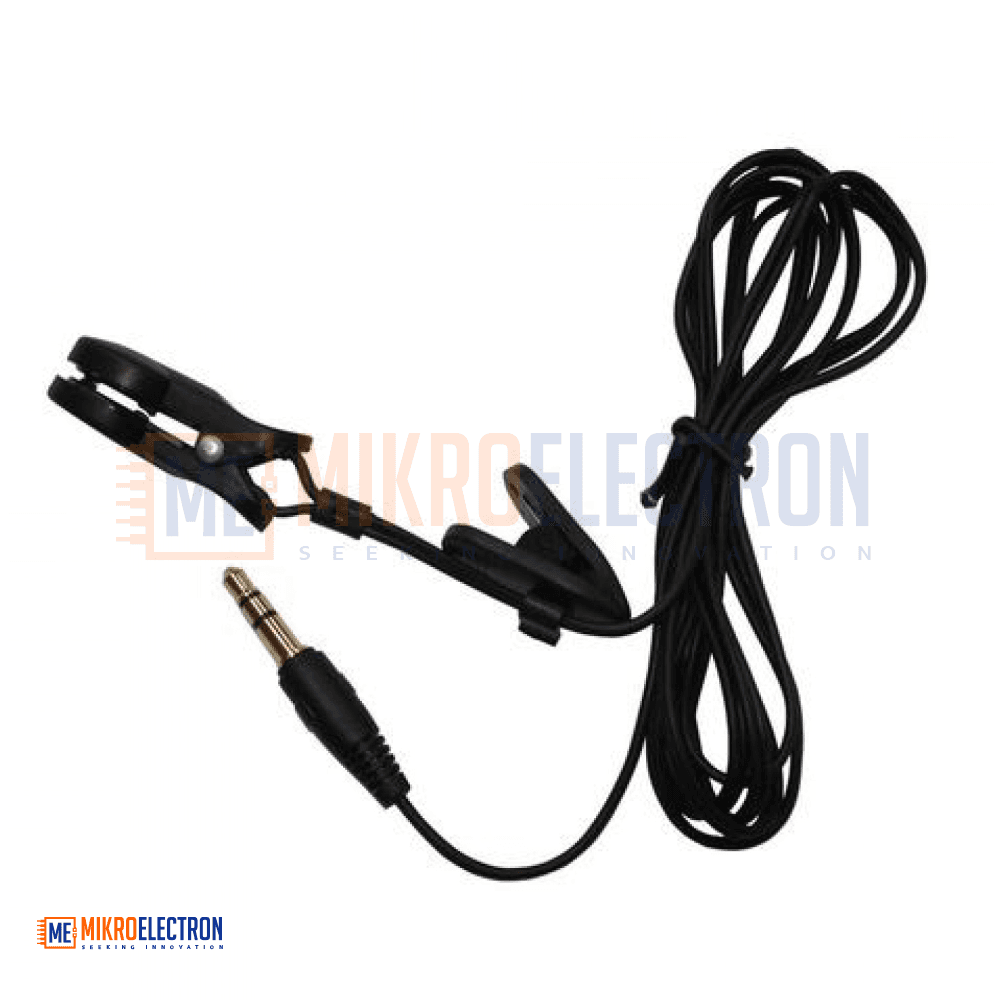
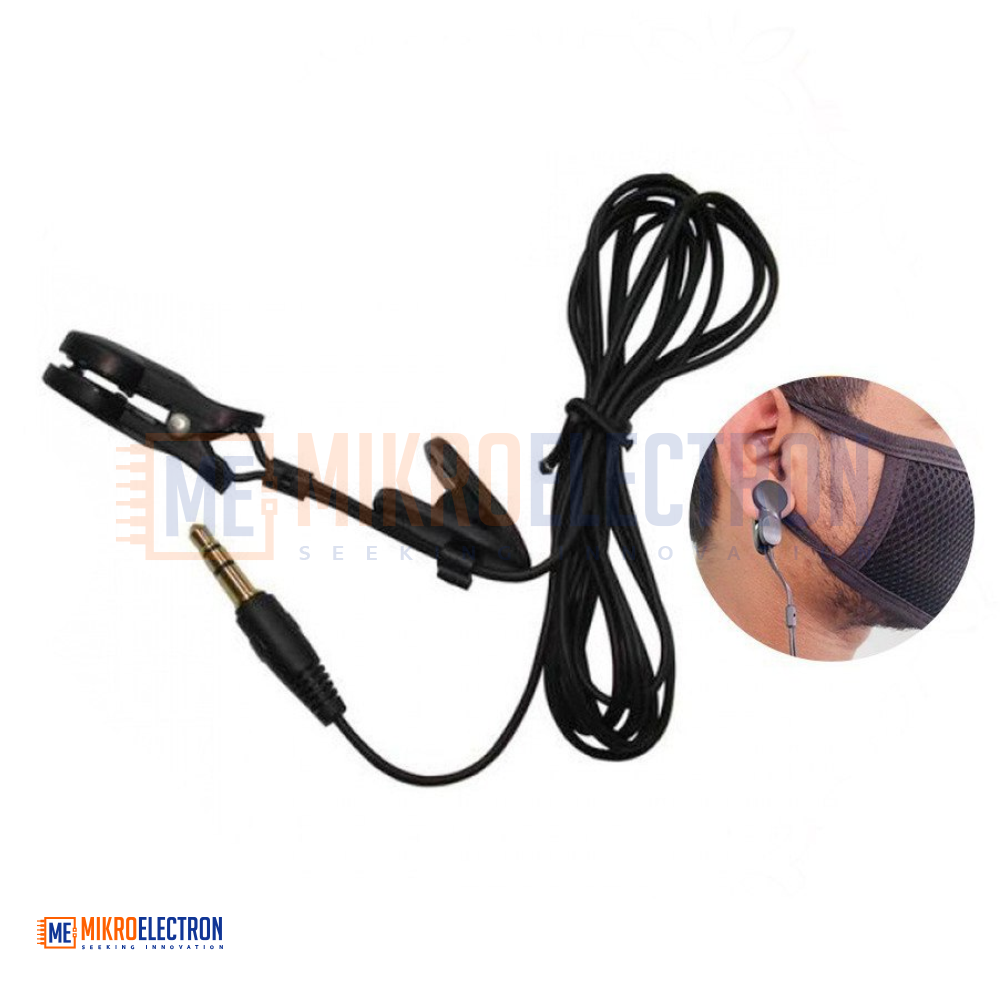
The HRM-2511 Ear Pulse Sensor is a clip-on heart rate monitoring sensor that attaches to the earlobe to detect pulse signals. Featuring a penetrable infrared sensor, 3.5mm audio jack connector, and a 1.3m cable, it easily connects to PCs, sports equipment, fitness trackers, and Arduino-based projects. Made of durable ABS plastic and weighing only 13g, this lightweight sensor is ideal for heart rate monitoring, biofeedback systems, fitness applications, and DIY health electronics projects.
حساس النبض للأذن HRM-2511 هو حساس مراقبة معدل ضربات القلب يُثبَّت بشكل مشبك على شحمة الأذن لاكتشاف إشارات النبض. يتميز بـ حساس أشعة تحت حمراء، وموصل صوت 3.5 ملم، وكابل بطول 1.3 م، ويتصل بسهولة مع الحاسوب، وأجهزة الرياضة، وأجهزة تتبع اللياقة، ومشاريع Arduino. مصنوع من بلاستيك ABS متين ويزن 13 جراماً فقط، وهو حساس خفيف الوزن مثالي لـ مراقبة معدل ضربات القلب، وأنظمة التغذية الراجعة الحيوية، وتطبيقات اللياقة، ومشاريع الإلكترونيات الصحية DIY.
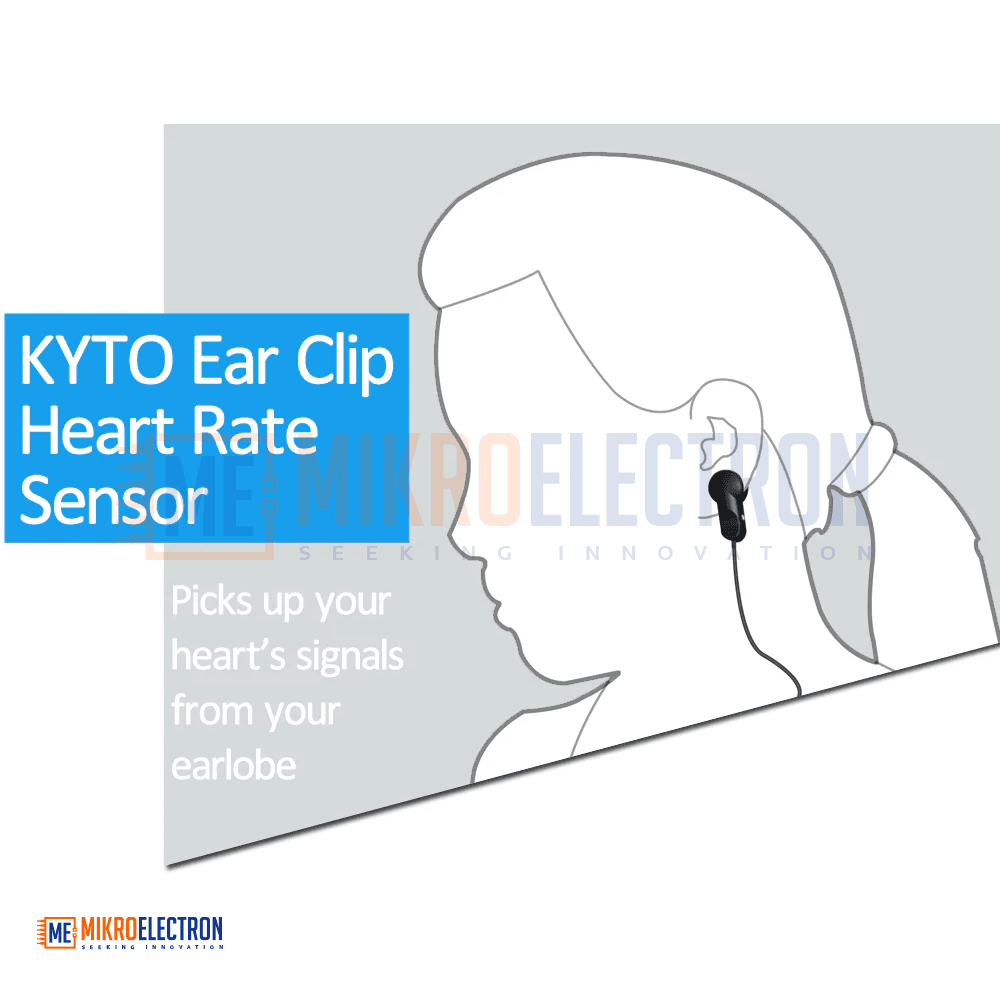
The HRM-2511 Ear Pulse Sensor is a compact, clip-on heart rate sensor designed to detect human pulse signals through the earlobe. By attaching the lightweight clip to the user's earlobe, the sensor uses a penetrable infrared light technique — emitting an IR beam through the soft tissue and detecting variations in light absorption caused by pulsatile blood flow. These small fluctuations correspond directly to the heartbeat, allowing the sensor to provide real-time pulse data for monitoring and analysis.
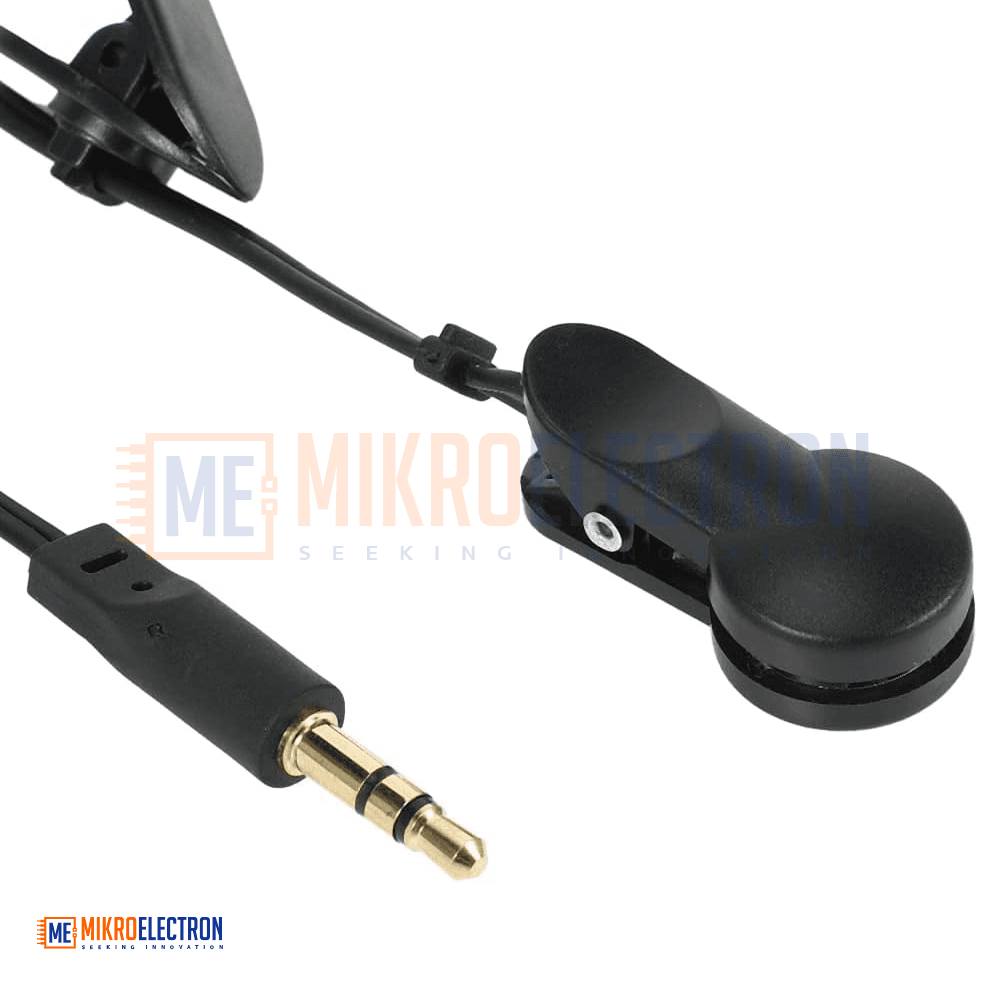
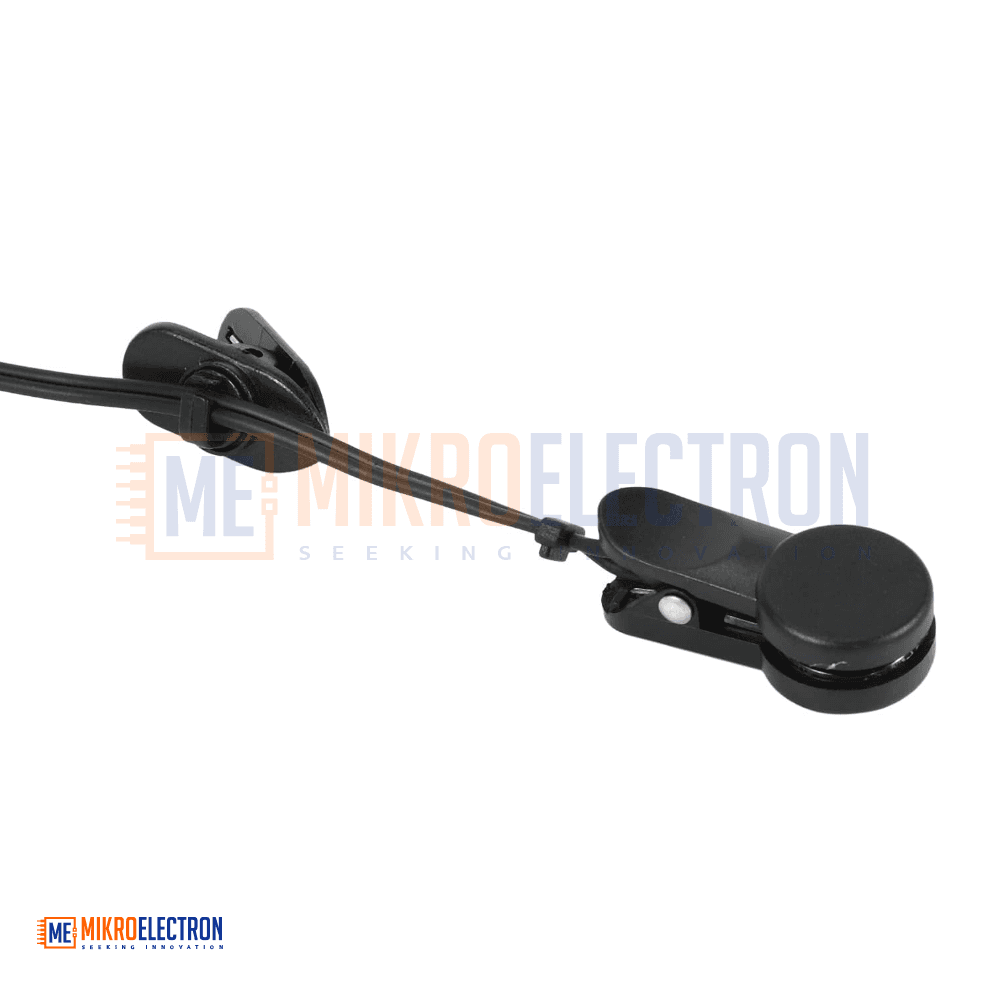
The sensor is housed in a durable black ABS plastic clip that is comfortable to wear and easy to position. The earlobe is an ideal location for pulse detection because of its rich blood supply, thin tissue, and minimal interference from movement, providing stable and reliable readings during workouts, biofeedback sessions, and continuous monitoring.
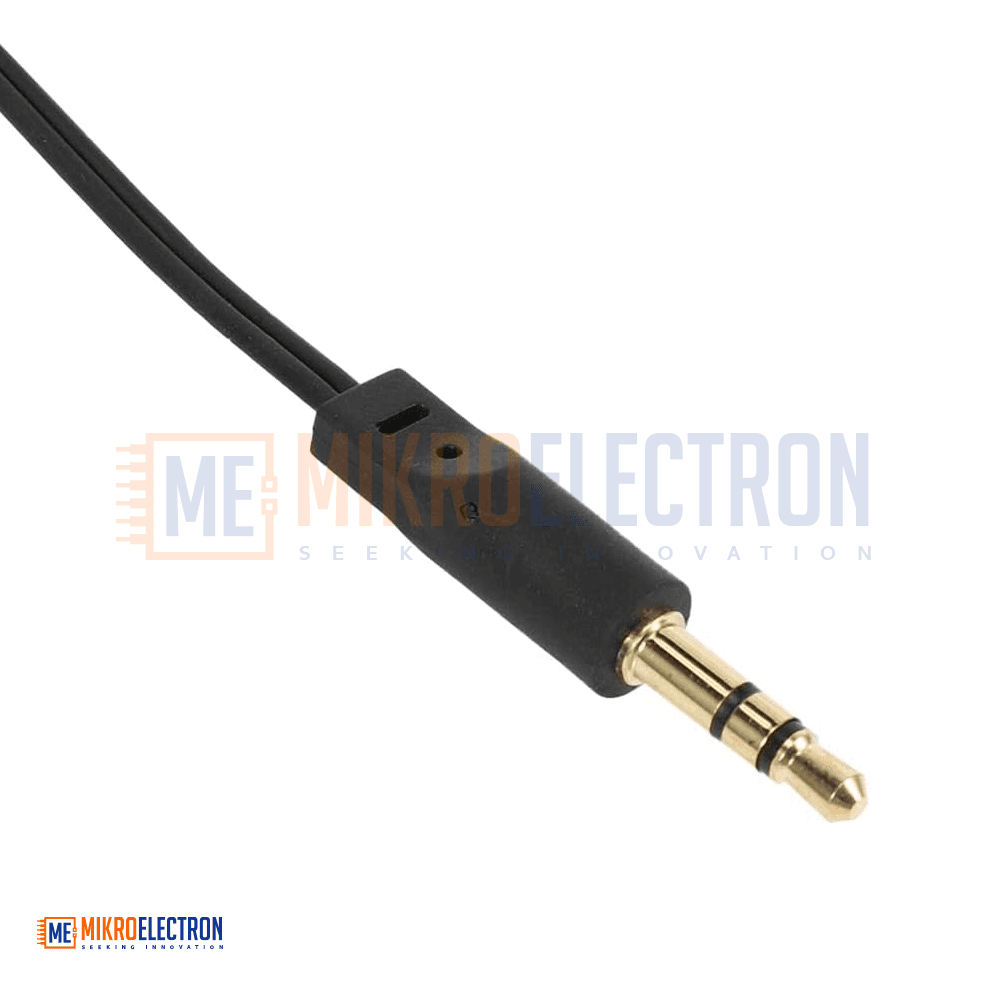
The HRM-2511 features a standard 3.5mm audio jack connector at the end of its 1.3-meter cable, making it instantly compatible with a wide range of devices, including PCs, fitness equipment (treadmills, stationary bikes, ellipticals), heart rate monitor receivers, biofeedback systems, and DIY electronics projects based on Arduino, Raspberry Pi, and microcontrollers (with a simple amplifier circuit).
Weighing only 13 grams, the sensor is lightweight and unobtrusive, making it suitable for prolonged wear during exercise, sleep monitoring, or relaxation training. Its plug-and-play design and standard 3.5mm interface allow easy integration into both commercial and hobbyist projects.
This sensor is widely used in fitness applications, biofeedback training, stress monitoring, sports science research, and DIY health electronics — providing a simple, affordable, and effective way to capture real-time heart rate data.
Specifications
- Model: HRM-2511
- Sensor Type: Ear-Clip Photoplethysmography (PPG) Pulse Sensor
- Detection Method: Infrared Light Penetration / Reflection
- Material: ABS Plastic (Black)
- Connector: 3.5mm Audio Jack (TRS)
- Cable Length: 1.3 m (130 cm)
- Pin/Connector Diameter: 3.5 mm
- Weight: 13 g
- Color: Black
- Application: Pulse detection from earlobe
- Compatibility: PCs, sports equipment, fitness machines, Arduino (with amplifier)
- Compliance: RoHS Compliant
Applications
- Heart Rate Monitoring — continuous pulse tracking during exercise or rest
- Fitness Equipment Integration — treadmills, stationary bikes, ellipticals, rowing machines
- Sports Performance Monitoring — training intensity and recovery tracking
- Biofeedback Systems — stress reduction and relaxation training
- DIY Health Electronics — Arduino-based heart rate monitors with amplifier ICs
- Educational & STEM Projects — teaching biomedical signal processing
- Sleep Monitoring — tracking heart rate variability during rest
- Meditation & Mindfulness Apps — guided breathing and HRV training
- Telemedicine Prototypes — remote patient pulse monitoring devices
- Research & Lab Use — ECG/PPG signal analysis experiments
- Wearable Device Prototyping — clip-on heart rate sensor designs
- Athletic Coaching Tools — real-time monitoring during workouts
- Replacement Sensor — for older fitness equipment with damaged ear-clips
- Fitness App Development — connecting to mobile and PC software
- Stress Detection Systems — using HRV-based emotion recognition
- Cardiac Rehabilitation Programs — light monitoring during therapy