
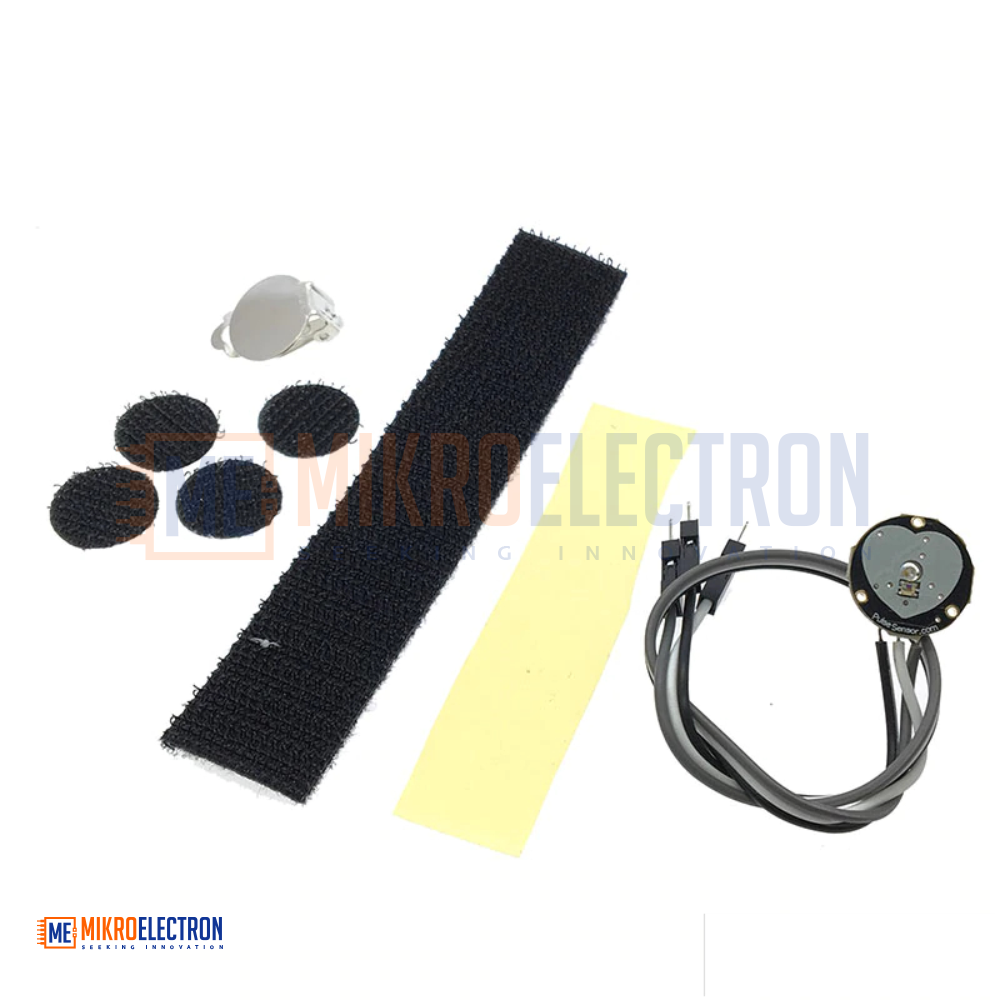
Pulse Sensor Module Kit Heart Rate Sensor Module
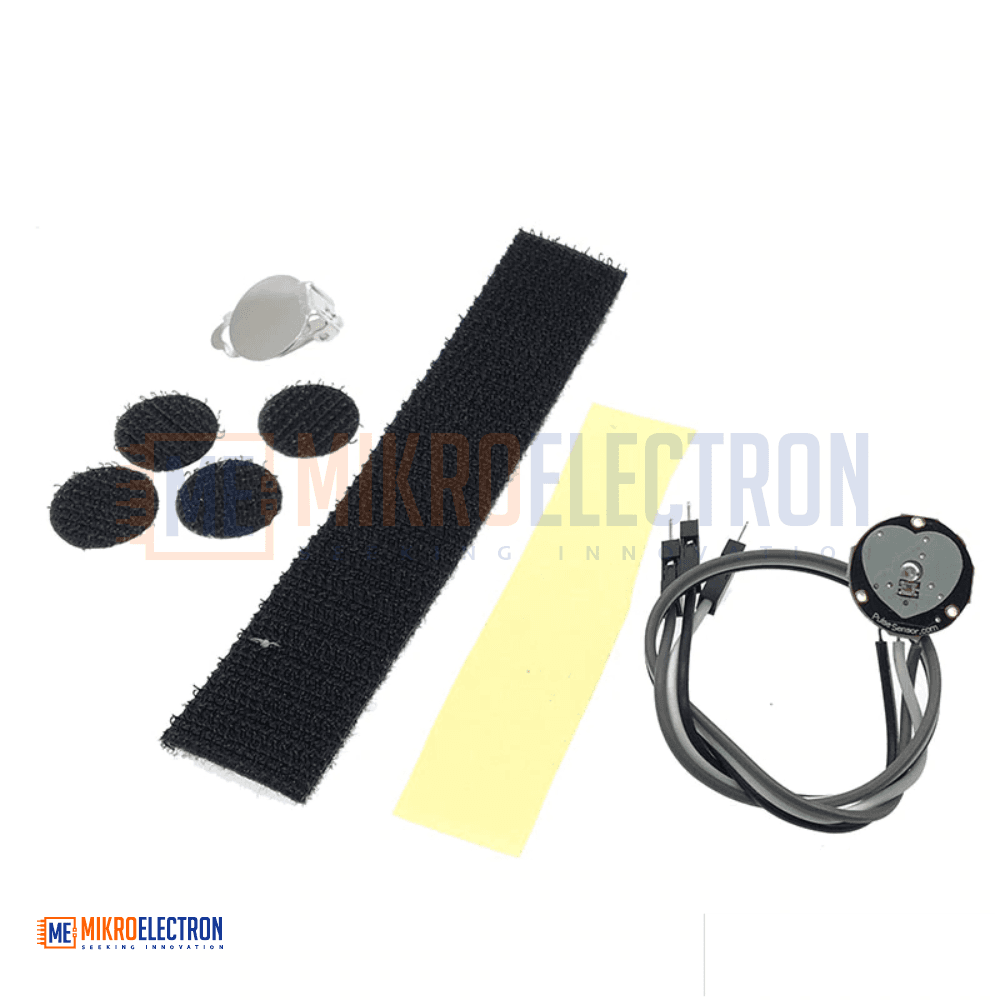
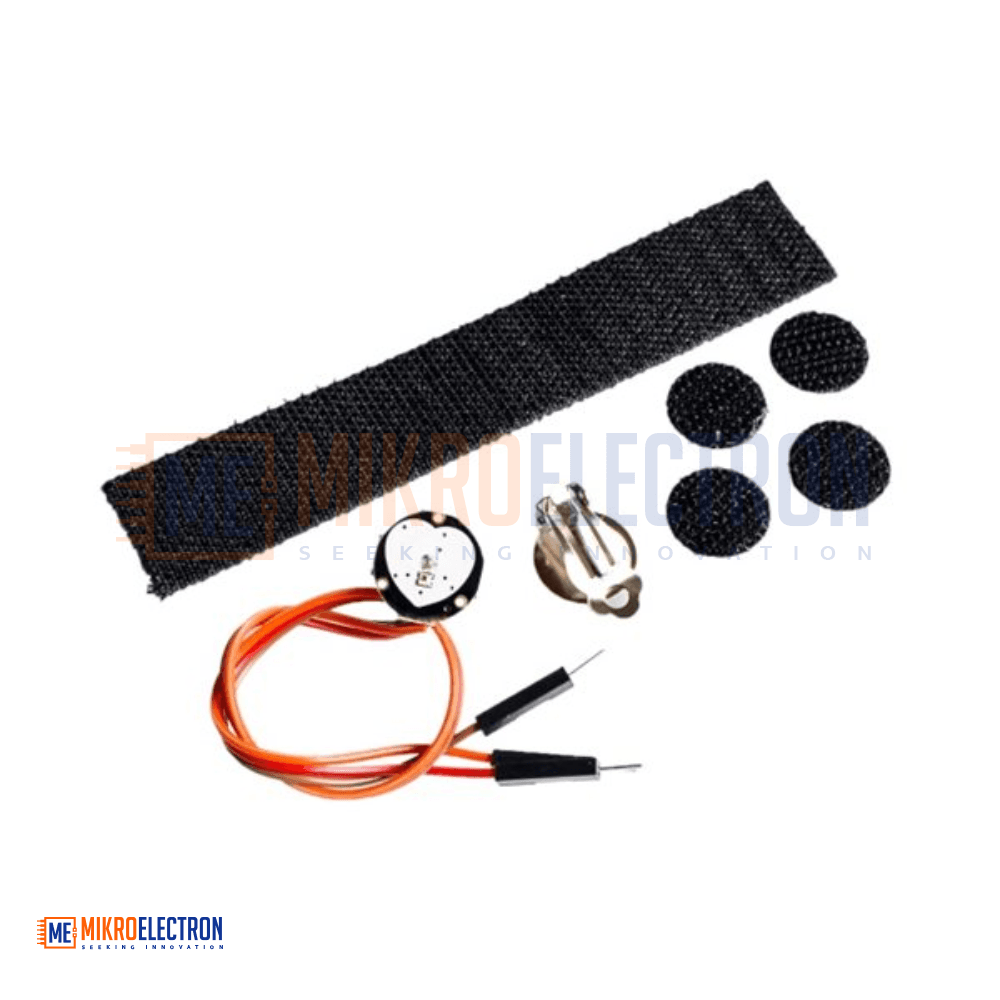
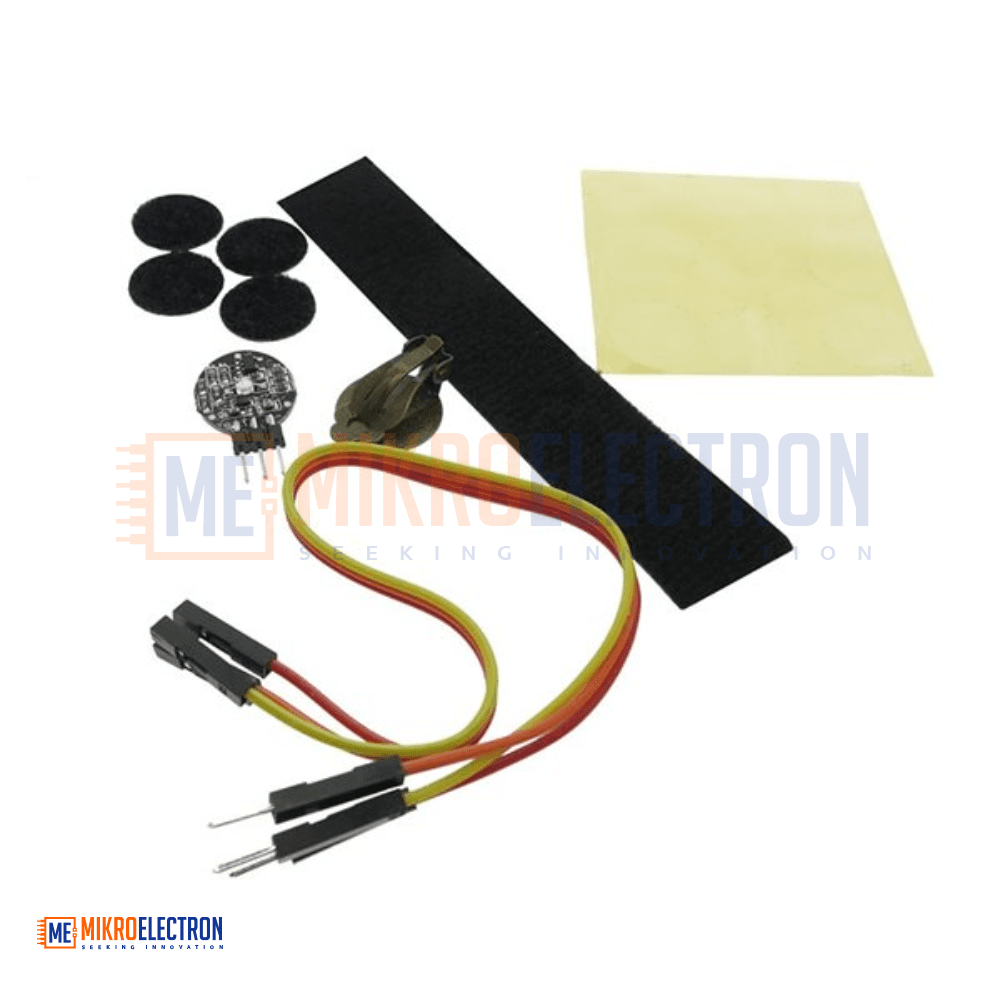
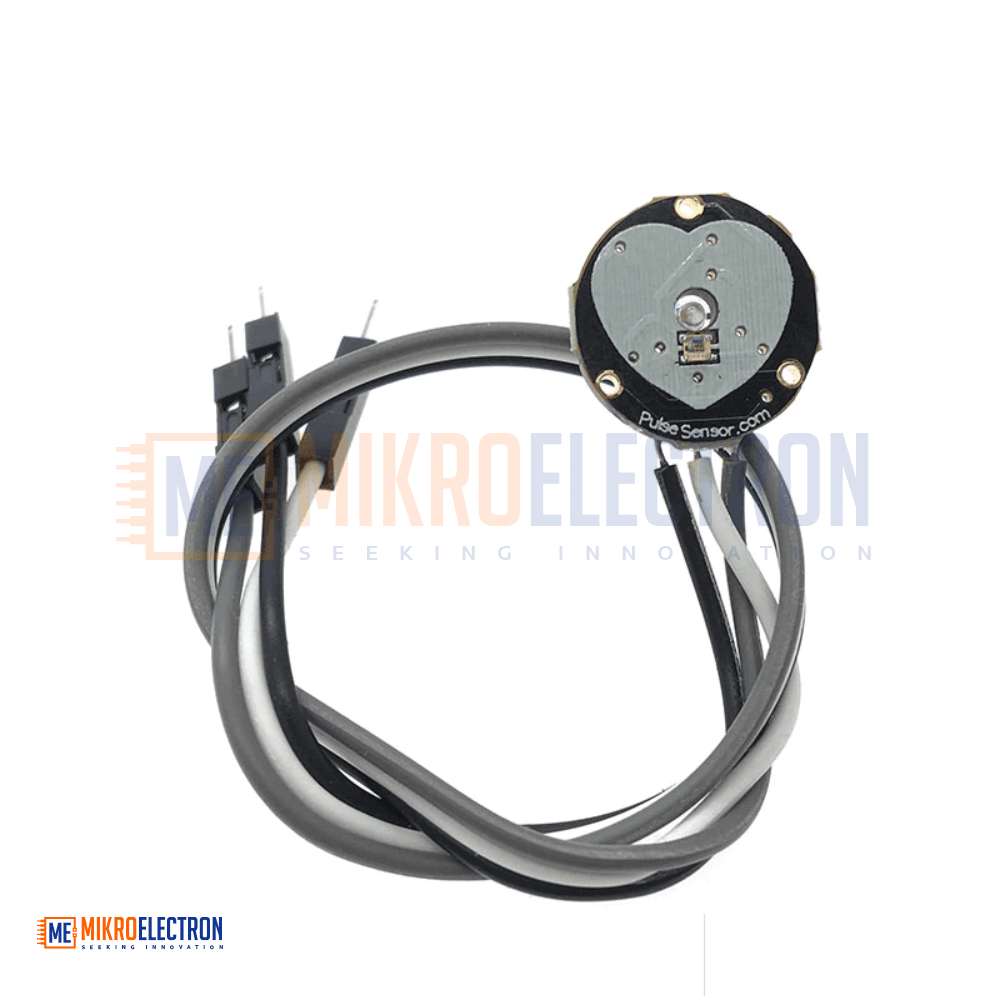
The Pulse Sensor Module Kit is a plug-and-play heart rate sensor for Arduino, Raspberry Pi, and ESP32 projects. It uses an optical sensor combined with an amplifier and noise filter to deliver a clean, reliable analog signal of your pulse. Powered by 3V–5V with low 4mA current draw, it includes a 60cm cable with male jumpers, Velcro strap, and metal mounting clip — perfect for fitness trackers, biofeedback devices, and health-monitoring projects.
مجموعة حساس النبض (Pulse Sensor Kit) هي حساس نبضات القلب يعمل بنظام التوصيل المباشر مع Arduino وRaspberry Pi وESP32. يستخدم حساساً ضوئياً مع مضخّم ومرشّح ضوضاء لتقديم إشارة تناظرية نظيفة وموثوقة لقياس النبض. يعمل بجهد 3 إلى 5 فولت ويستهلك 4 مللي أمبير فقط، ويتضمّن كابل 60 سم بأطراف ذكر وشريط فيلكرو ومشبك معدني للتثبيت — مثالي لمشاريع تتبّع اللياقة والمراقبة الصحية.
The Pulse Sensor Module Kit is a beginner-friendly, plug-and-play heart rate sensor that lets you add live pulse and heart rate measurement to your electronics projects in minutes. If you've ever connected a basic sensor or encoder to an Arduino, you already have everything you need to use this module — no soldering required.
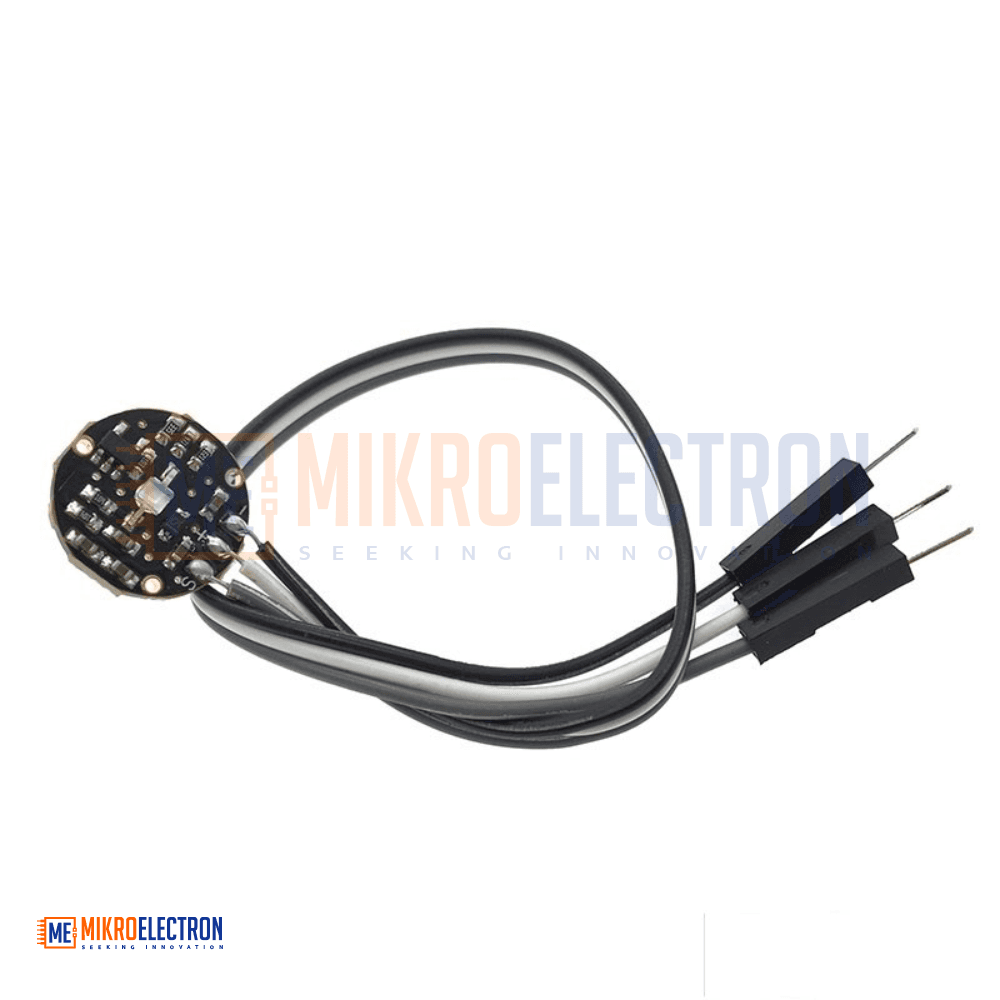
The sensor combines an optical heart rate sensor (an LED and matching photodetector) with an integrated amplification stage and a noise filter circuit, producing a clean, stable analog waveform that can be read directly by any microcontroller's ADC pin. As blood pulses through your fingertip or earlobe, the optical sensor detects tiny changes in light absorption, which the onboard electronics convert into a clear pulse signal.
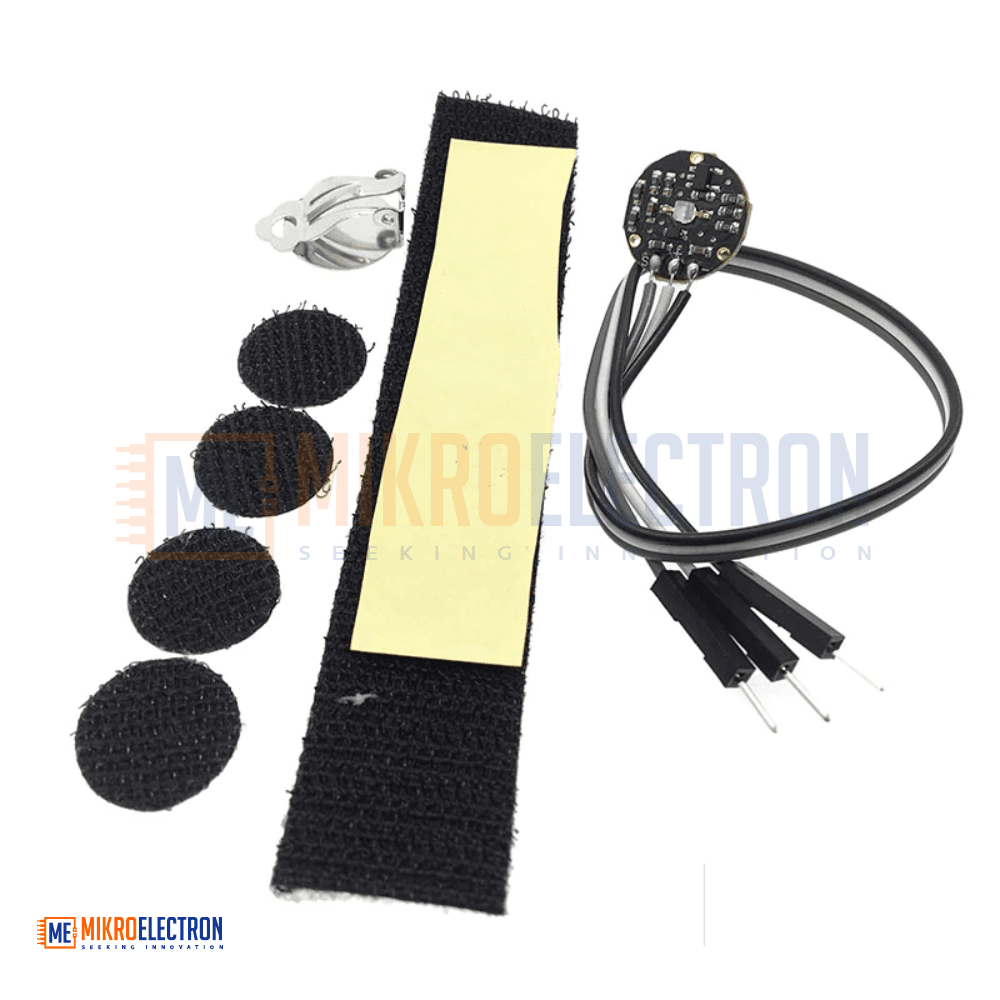
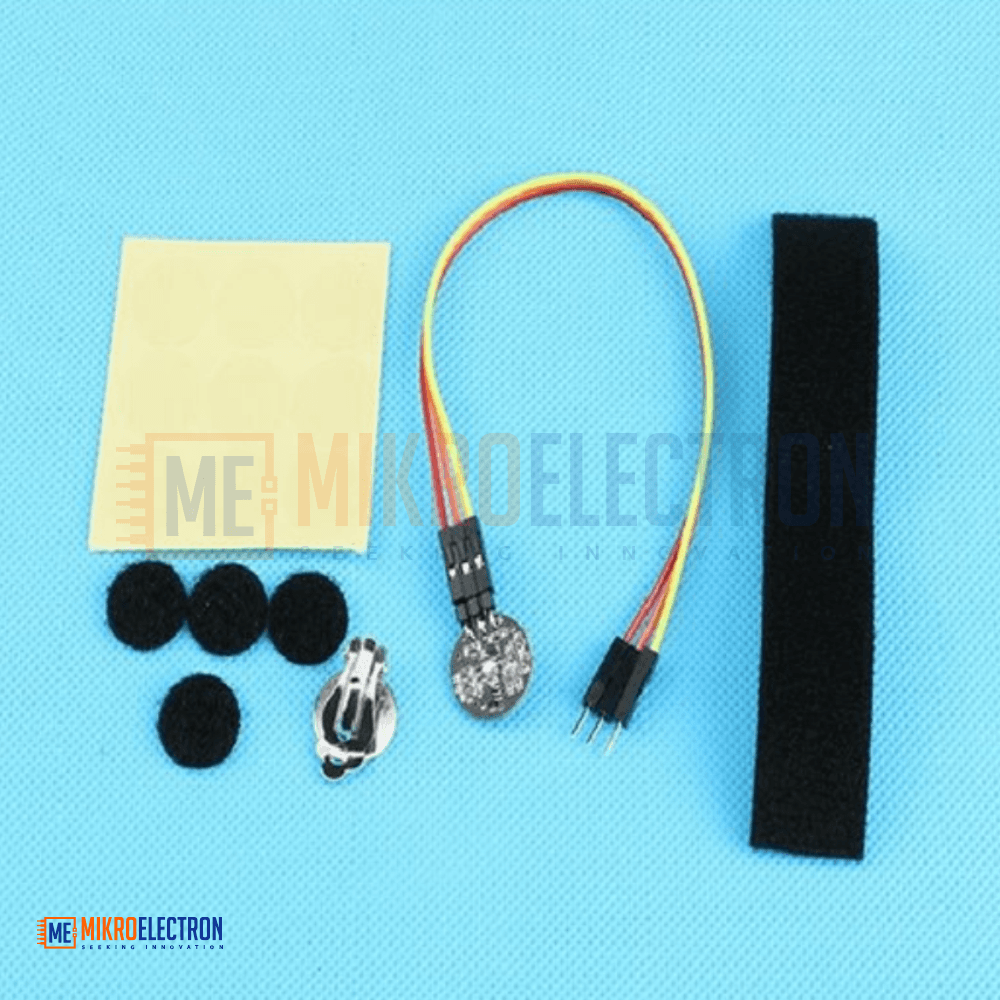
The module operates from a wide 3V to 5V supply and draws only ~4mA, making it well suited for battery-powered wearables and portable devices. The included 60cm cable with male jumper connectors plugs straight into a breadboard, Arduino headers, or shield, while the Velcro strap lets you secure the sensor to a finger and the metal bracket helps mount it to clothing or wrist bands.
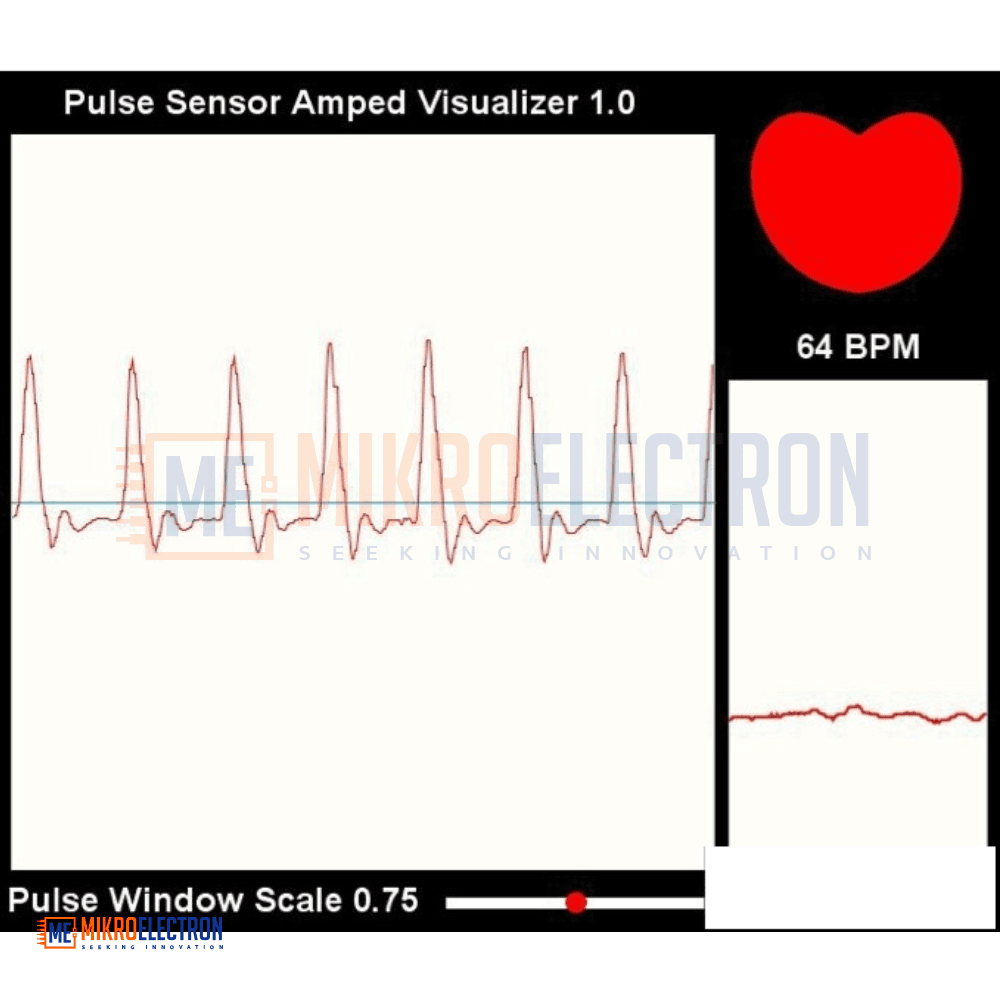
This sensor is widely supported by the open-source PulseSensor Playground Arduino library, with ready-made examples for BPM (beats per minute) calculation, serial
plotting, and visualization.
What's in the Box
- 1 × Pulse / Heart Rate Sensor
- 1 × Connection jumper cable (60 cm with male connectors)
- 1 × Velcro strap
- 1 × Metal mounting bracket
Wiring to Arduino
- VCC → 3.3V or 5V
- GND → GND
- Signal (S) → A0 (analog input)
Specifications
- Sensor Type: Optical (LED + photodetector) heart rate sensor
- Onboard Circuitry: Amplifier + noise filter
- Operating Voltage: 3V – 5V DC
- Current Consumption: ~4 mA at 5V
- Output Type: Analog signal (read via microcontroller ADC)
- Cable Length: 60 cm with male jumper connectors
- Connections: 3-pin (VCC, GND, Signal)
- Compatible With: Arduino, Raspberry Pi, ESP32, ESP8266, STM32, and other microcontrollers
Applications
- Heart rate monitors and BPM (beats per minute) measurement
- Fitness trackers and DIY wearables
- Health and biofeedback projects
- Sports and exercise monitoring devices
- Sleep tracking and wellness applications
- Game controllers with biofeedback input
- Educational STEM and biology / physiology learning kits
- Arduino, Raspberry Pi, and ESP32 health-monitoring projects
- IoT health dashboards with ESP32 / ESP8266
- Stress and relaxation measurement systems
- Interactive art installations responsive to heart rate
- Research and prototyping in human-computer interaction