
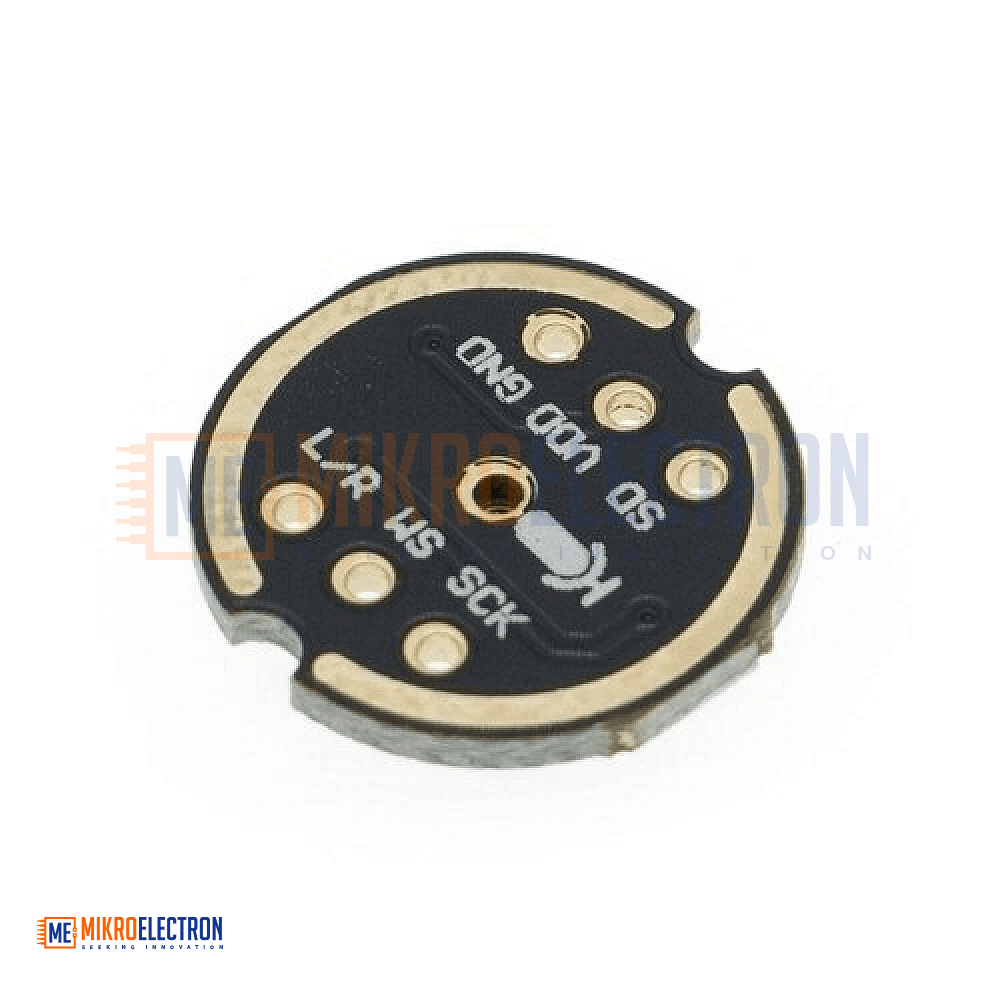
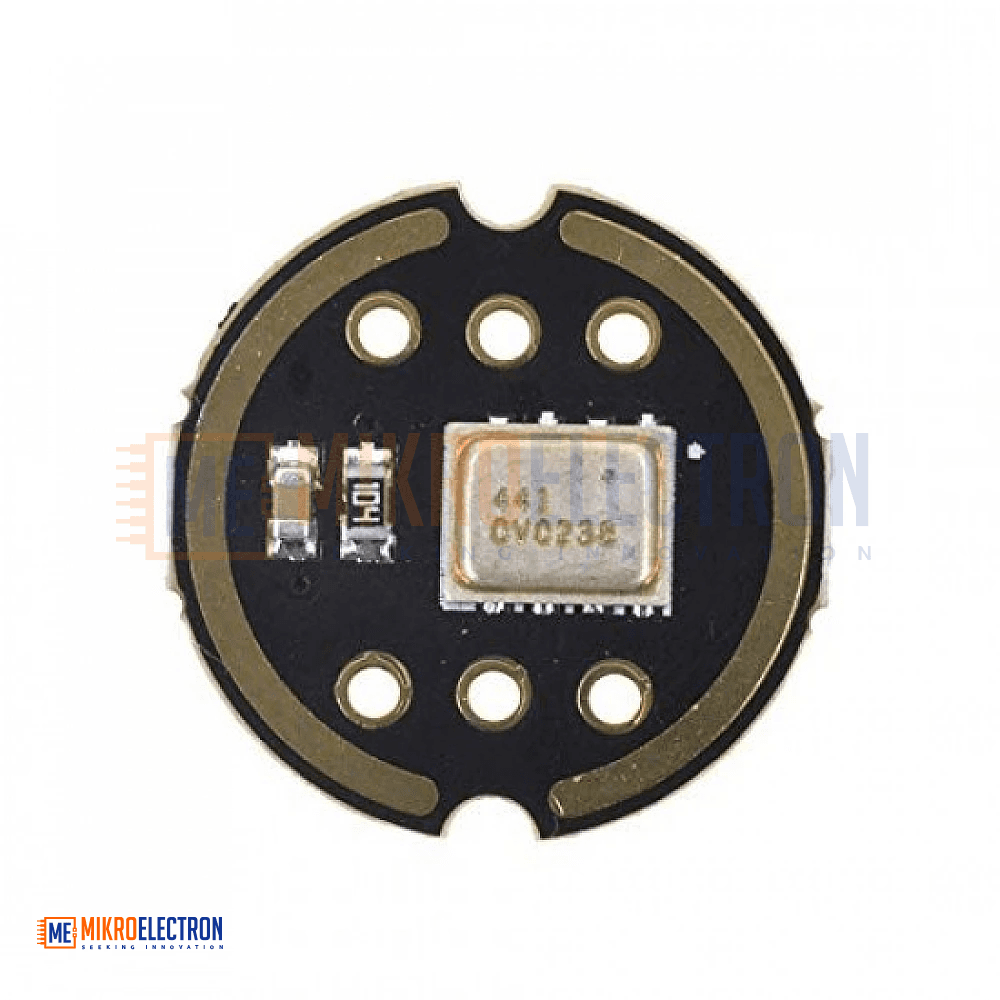
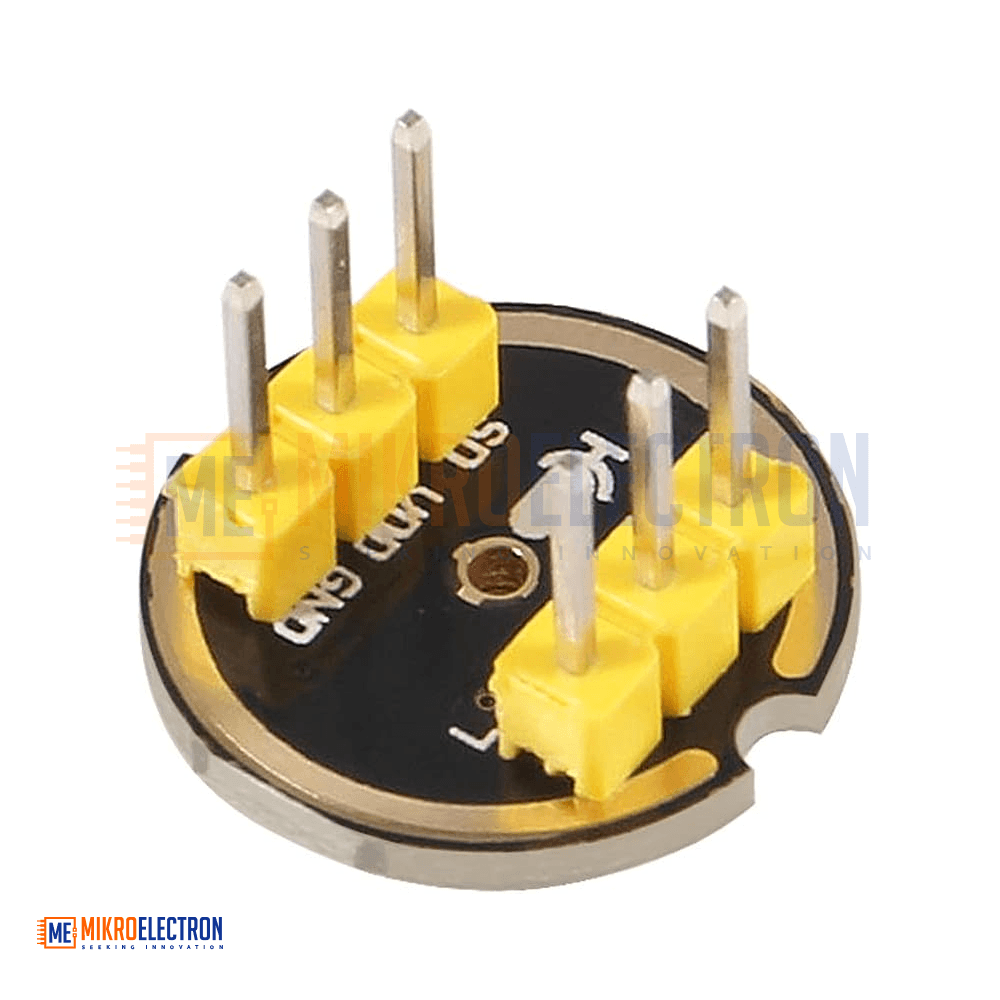
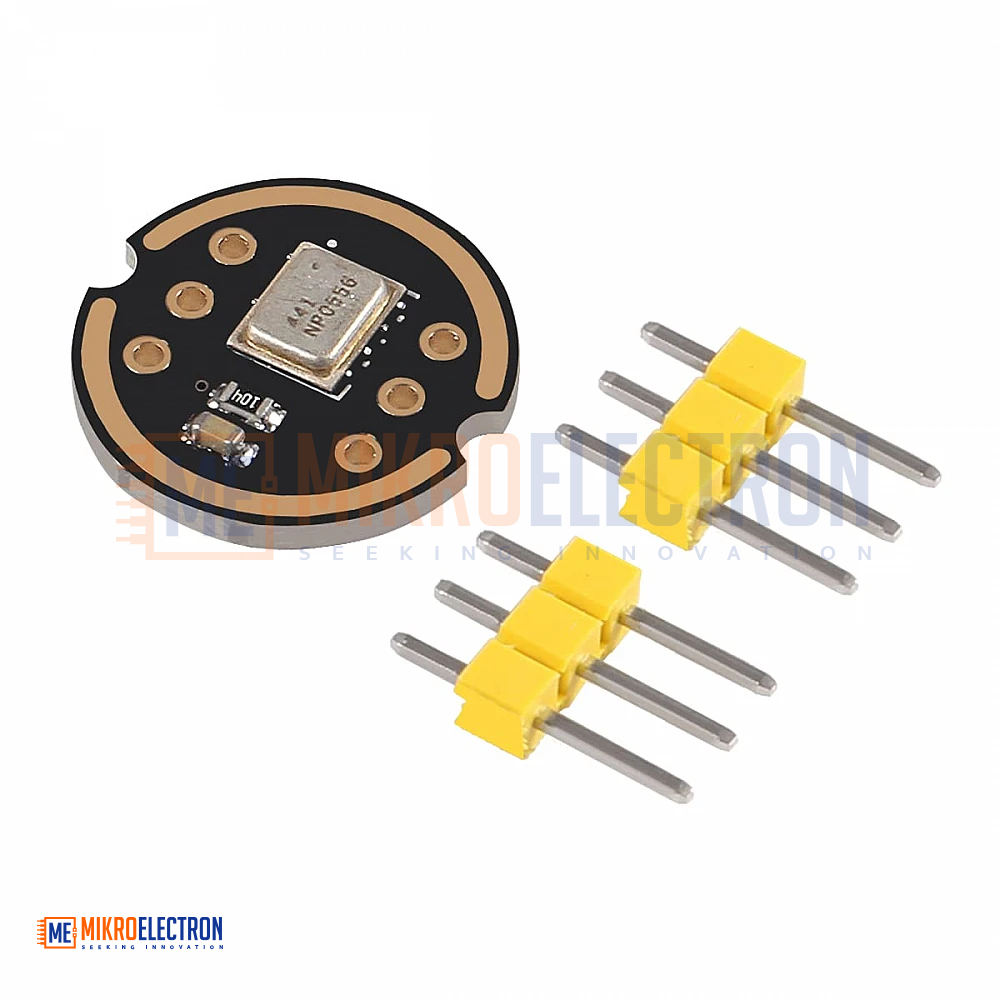
I2S Microphone Module Interface High Precision Low Power - INMP441
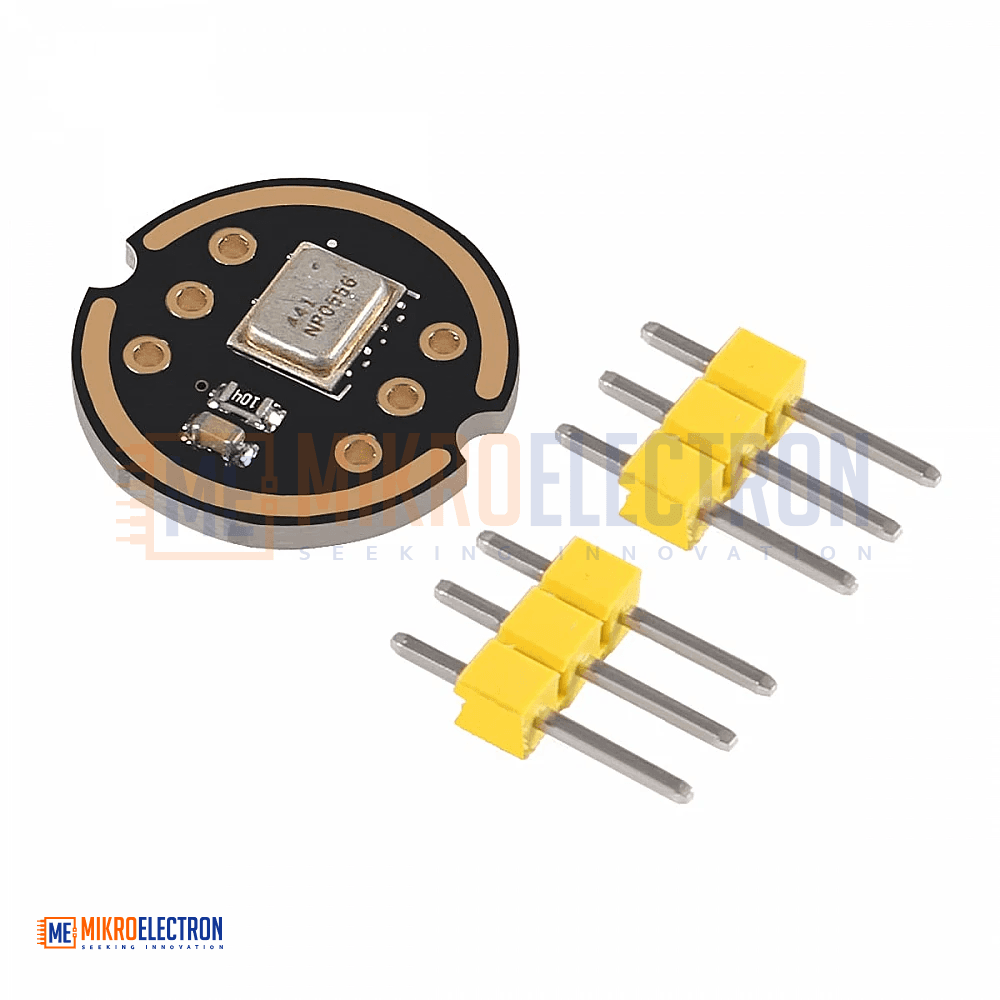
The INMP441 I2S MEMS Microphone Module is a high-performance digital omnidirectional microphone designed for voice capture and audio processing applications. Featuring a 24-bit I2S digital output, it eliminates the need for an external audio codec and interfaces directly with microcontrollers such as ESP32, Raspberry Pi, and other I2S-compatible development boards. With a 61 dBA signal-to-noise ratio, low 1.4 mA power consumption, and a wide frequency response from 60 Hz to 15 kHz, the INMP441 delivers clear, natural sound while maintaining excellent energy efficiency, making it ideal for IoT, smart devices, and embedded audio applications.
تعد وحدة الميكروفون الرقمي INMP441 I2S MEMS ميكروفونًا عالي الأداء متعدد الاتجاهات (Omnidirectional) مصممًا لتطبيقات التقاط الصوت ومعالجة الإشارات الرقمية. تتميز بواجهة I2S رقمية بدقة 24 بت، مما يسمح بتوصيلها مباشرة مع المتحكمات الدقيقة مثل ESP32 وRaspberry Pi دون الحاجة إلى دائرة ترميز صوت خارجية. توفر الوحدة نسبة إشارة إلى ضوضاء تبلغ 61 dBA مع استهلاك منخفض للطاقة يبلغ 1.4 mA واستجابة ترددية واسعة من 60 هرتز إلى 15 كيلوهرتز، مما يمنح صوتًا طبيعيًا وواضحًا، ويجعلها مثالية لتطبيقات إنترنت الأشياء، والأجهزة الذكية، ومشاريع الصوت المدمجة.
The INMP441 MEMS Microphone Module is a compact, high-precision digital microphone featuring a 24-bit I2S interface for direct communication with microcontrollers, DSPs, and embedded processors. Its integrated architecture includes a MEMS microphone sensor, analog signal conditioning, analog-to-digital converter (ADC), anti-aliasing filter, power management circuitry, and an industry-standard I2S digital audio interface.
Designed for low-power operation, the module consumes only 1.4 mA, making it suitable for battery-powered and portable devices. The microphone offers a 61 dBA signal-to-noise ratio (SNR) and –26 dBFS sensitivity, providing accurate voice capture with excellent audio quality.
The omnidirectional pickup pattern captures sound from all directions, making the module suitable for voice assistants, conference systems, IoT devices, environmental monitoring, and speech recognition applications.
The module supports operating voltages from 1.8V to 3.3V and can be connected directly to development boards such as ESP32, Raspberry Pi, STM32, and other processors supporting the I2S protocol. Channel selection is easily configured through the L/R pin, allowing the microphone to output either the left or right audio channel.
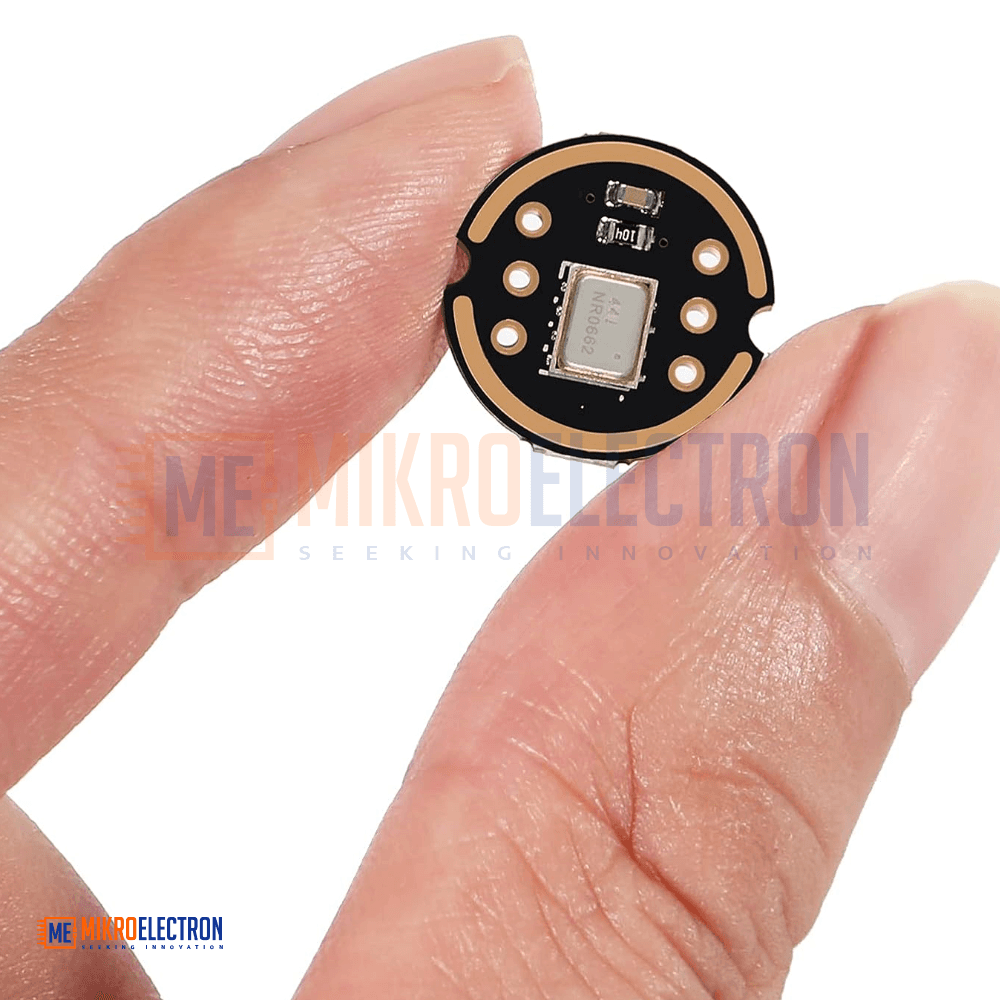
Its compact size, digital interface, and high-quality audio performance make the INMP441 an excellent solution for modern embedded audio systems.
Specifications
| Specification | Details |
|---|---|
| Product Name | INMP441 I2S MEMS Microphone Module |
| Microphone Type | Digital MEMS Omnidirectional Microphone |
| Audio Interface | 24-bit I2S Digital Output |
| Operating Voltage | 1.8V – 3.3V DC |
| Current Consumption | 1.4 mA (Typical) |
| Signal-to-Noise Ratio (SNR) | 61 dBA |
| Sensitivity | –26 dBFS |
| Frequency Response | 60 Hz – 15 kHz |
| Power Supply Rejection (PSR) | –75 dBFS |
| Channel Selection | Left / Right via L/R Pin |
| Output Type | Digital Audio (I2S) |
| Microphone Direction | Omnidirectional |
| Compatible Platforms | ESP32, Raspberry Pi, STM32, DSPs, Arduino (I2S-compatible boards) |
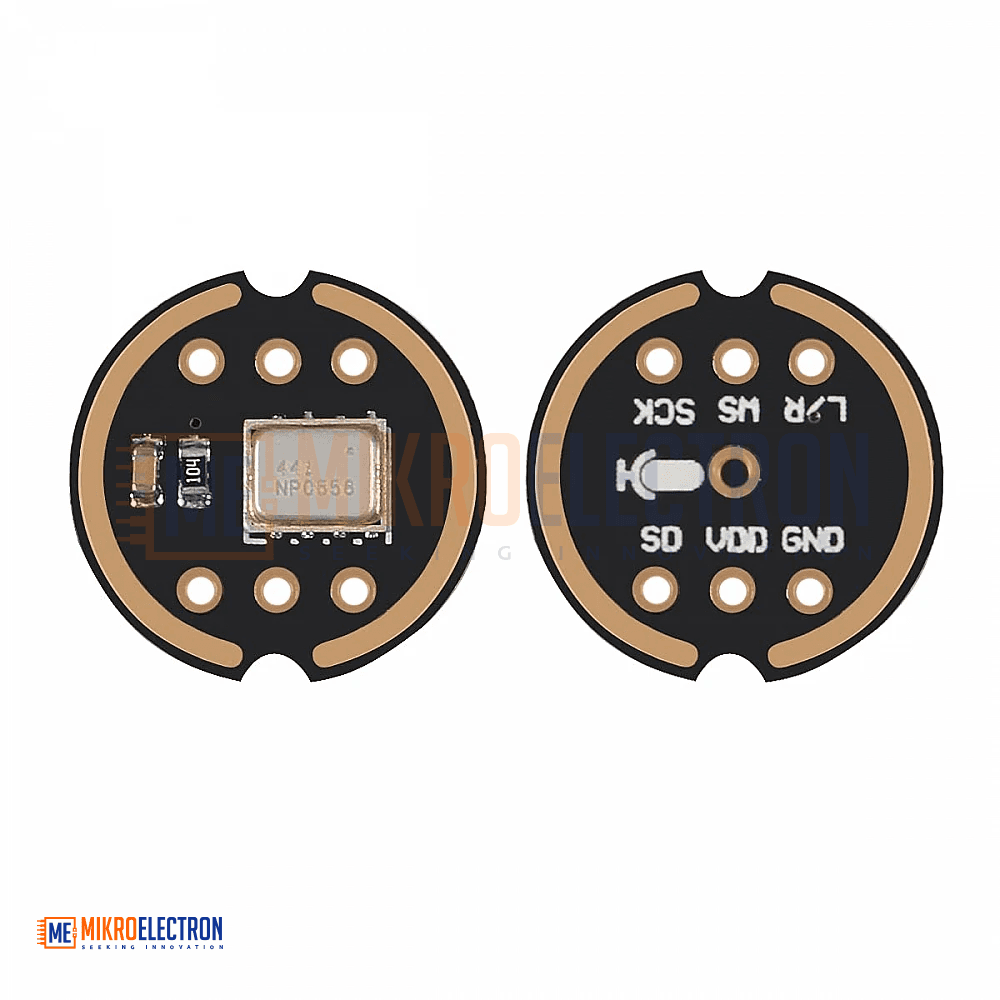
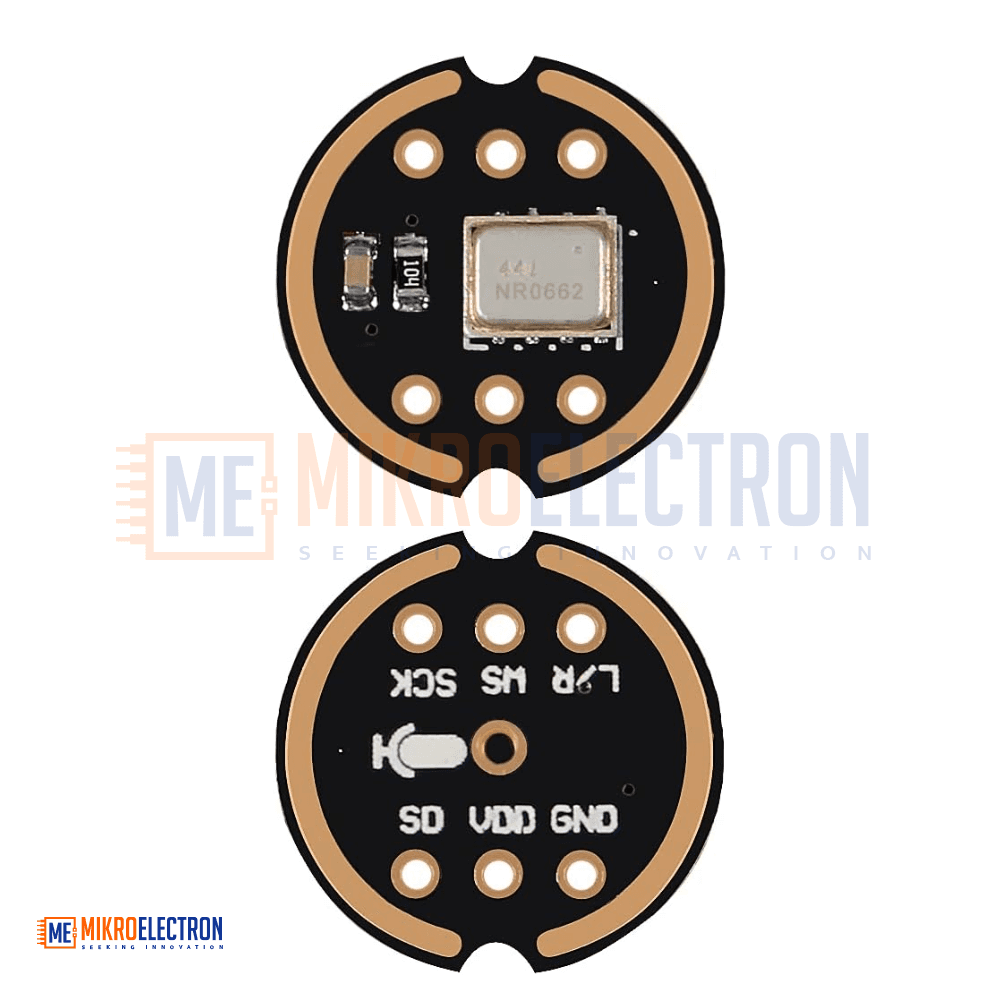
Pin Configuration
| Pin | Function |
|---|---|
| VCC | Power Supply (1.8V–3.3V) |
| GND | Ground |
| SCK | I2S Serial Clock |
| WS | I2S Word Select / Left-Right Clock |
| SD | I2S Serial Data Output |
| L/R | Left or Right Audio Channel Selection |
Typical ESP32 Connection
| INMP441 | ESP32 |
|---|---|
| SCK | GPIO14 |
| SD | GPIO32 |
| WS | GPIO15 |
| L/R | GND (Left Channel) |
| GND | GND |
| VCC | 3.3V |
Applications
- Voice recognition systems
- Smart speakers
- ESP32 voice projects
- Raspberry Pi audio applications
- IoT voice-enabled devices
- Speech processing systems
- Digital audio recording
- Conference and meeting systems
- Environmental sound monitoring
- Home automation
- Embedded audio systems
- Robotics and AI voice interfaces