
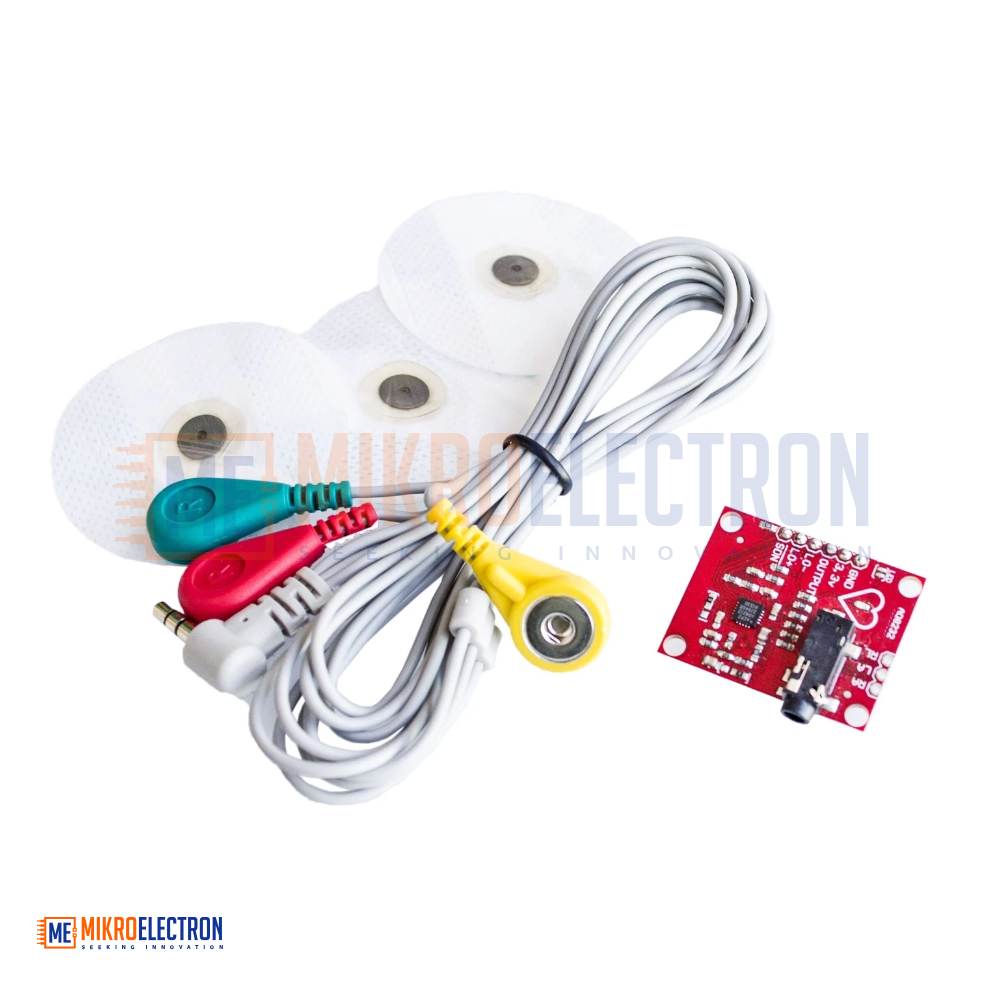
Muscle Sensor Kit (EMG)
Out Of Stock
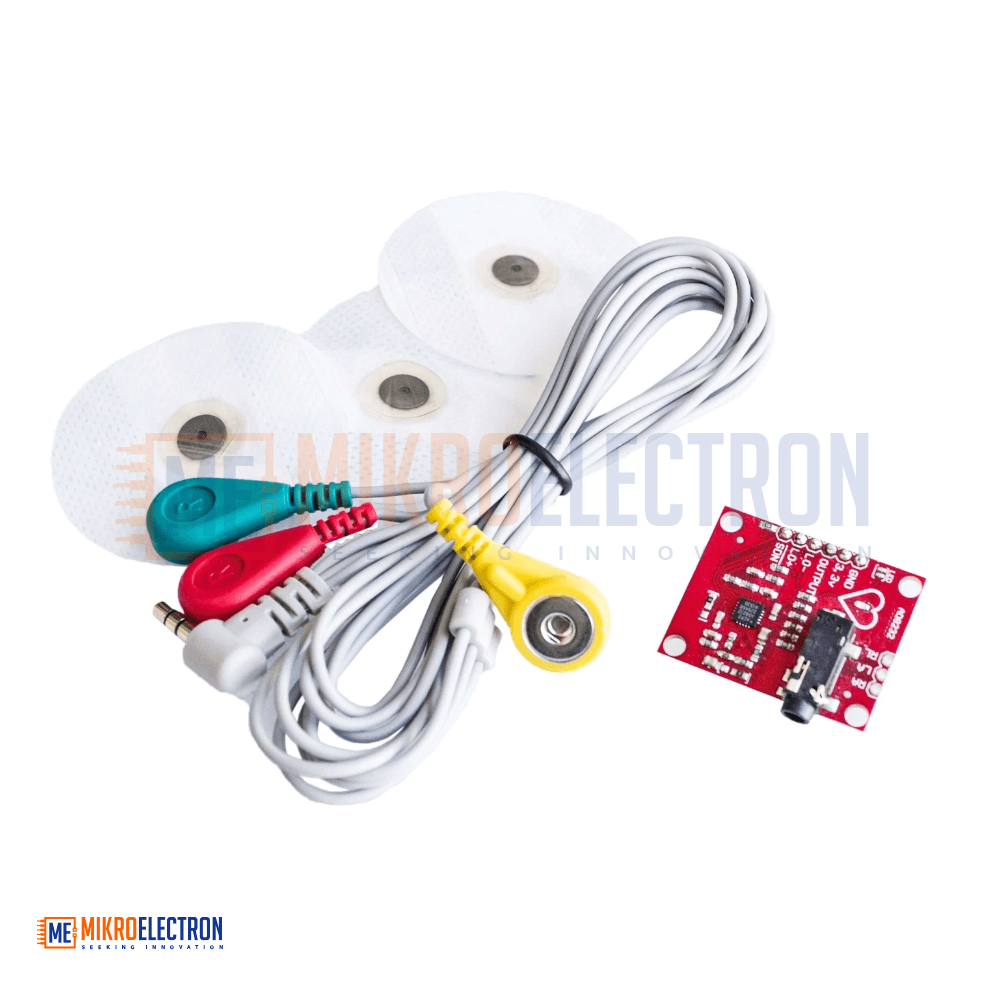
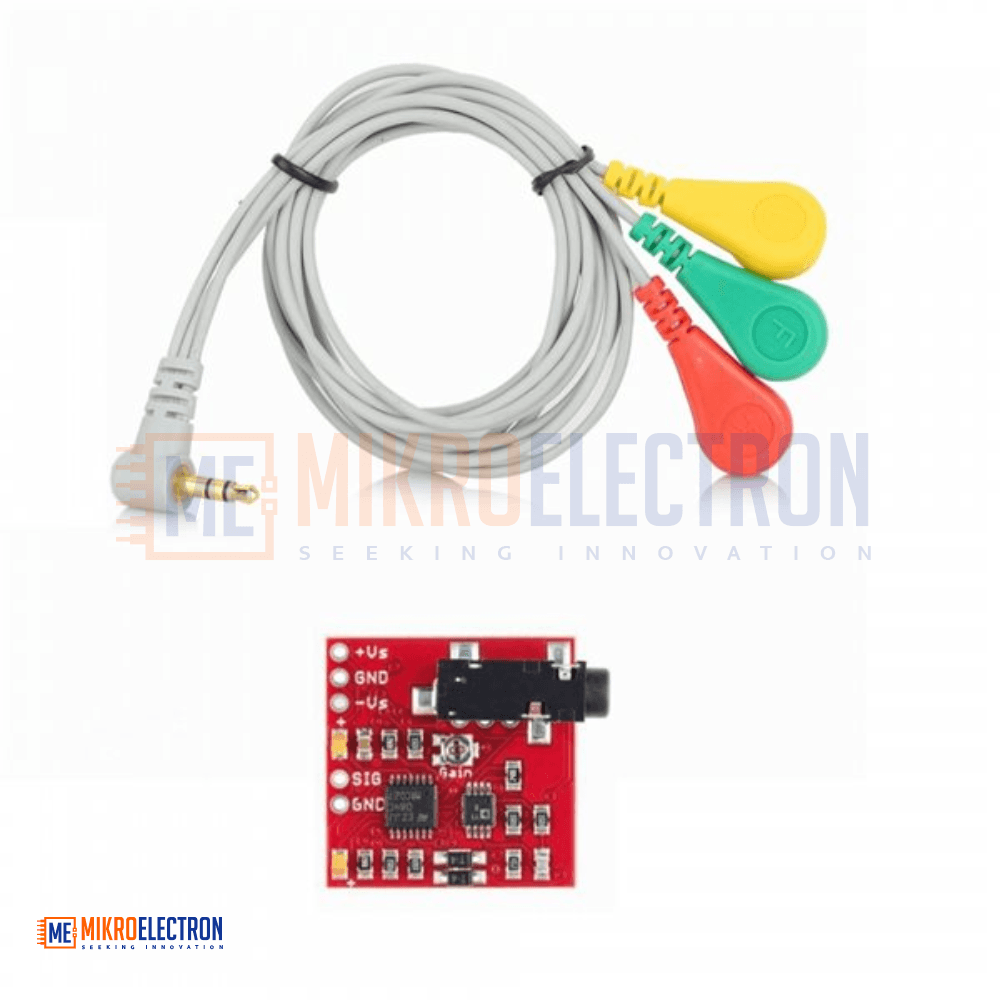
The Advancer Technologies Muscle Sensor V3 (EMG) is a precision electromyography sensor that measures, filters, and amplifies the electrical activity of muscles, outputting an analog signal readable by any microcontroller. With adjustable gain, ±3.5V minimum supply, and a built-in cable port, it's ideal for muscle-controlled interfaces, prosthetics research, robotics control, biofeedback, fitness applications, and Arduino/ESP32 projects. Includes reusable EMG cable and disposable electrodes for immediate use.
حساس عضلات Advancer Technologies V3 (EMG) هو حساس كهربية العضل الدقيق الذي يقيس ويصفّي ويضخّم النشاط الكهربائي للعضلات، ويخرج إشارة تماثلية يمكن قراءتها بأي متحكم دقيق. بـ كسب قابل للضبط وجهد تشغيل ±3.5 فولت كحد أدنى ومنفذ كابل مدمج، يعتبر مثالياً لـ الواجهات المتحكَّم فيها بالعضلات، أبحاث الأطراف الصناعية، التحكم بالروبوتات، التغذية الراجعة الحيوية، تطبيقات اللياقة، ومشاريع الأردوينو وESP32. يشمل كابل EMG قابل لإعادة الاستخدام وأقطاب لاصقة للاستخدام الفوري.
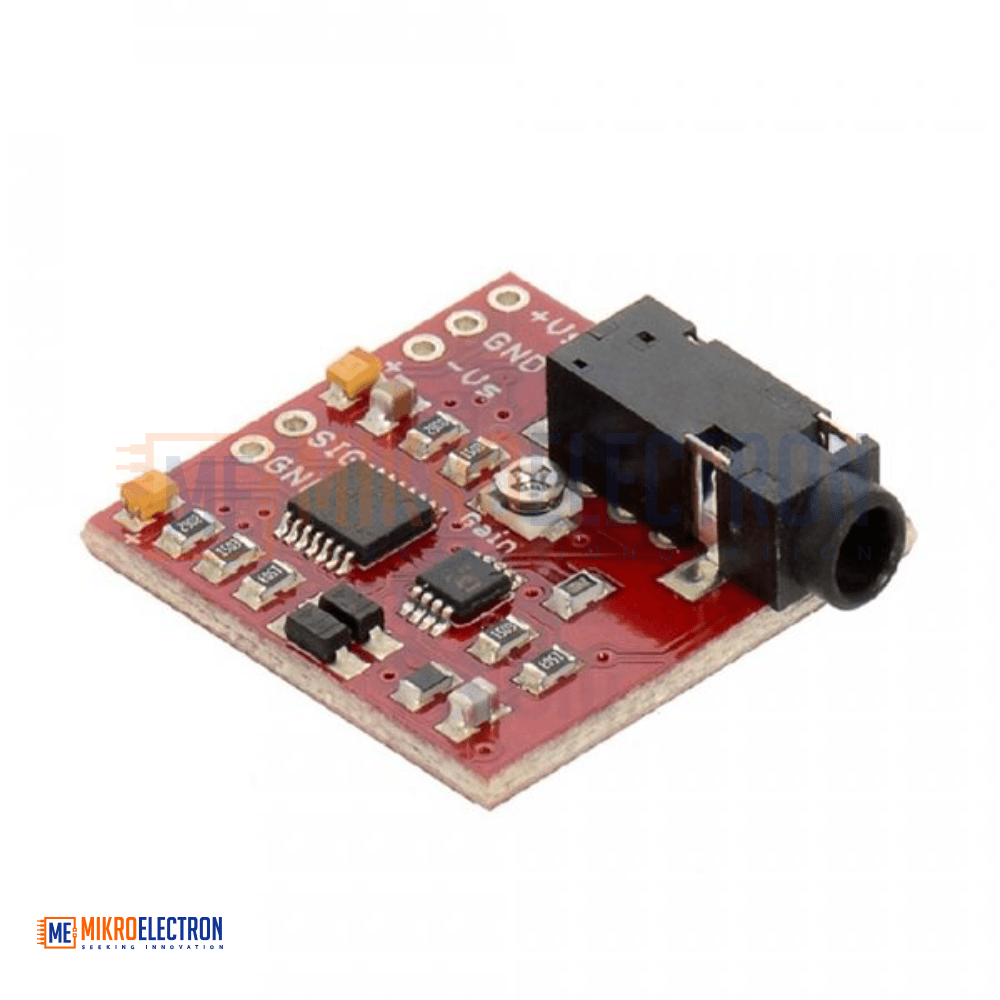
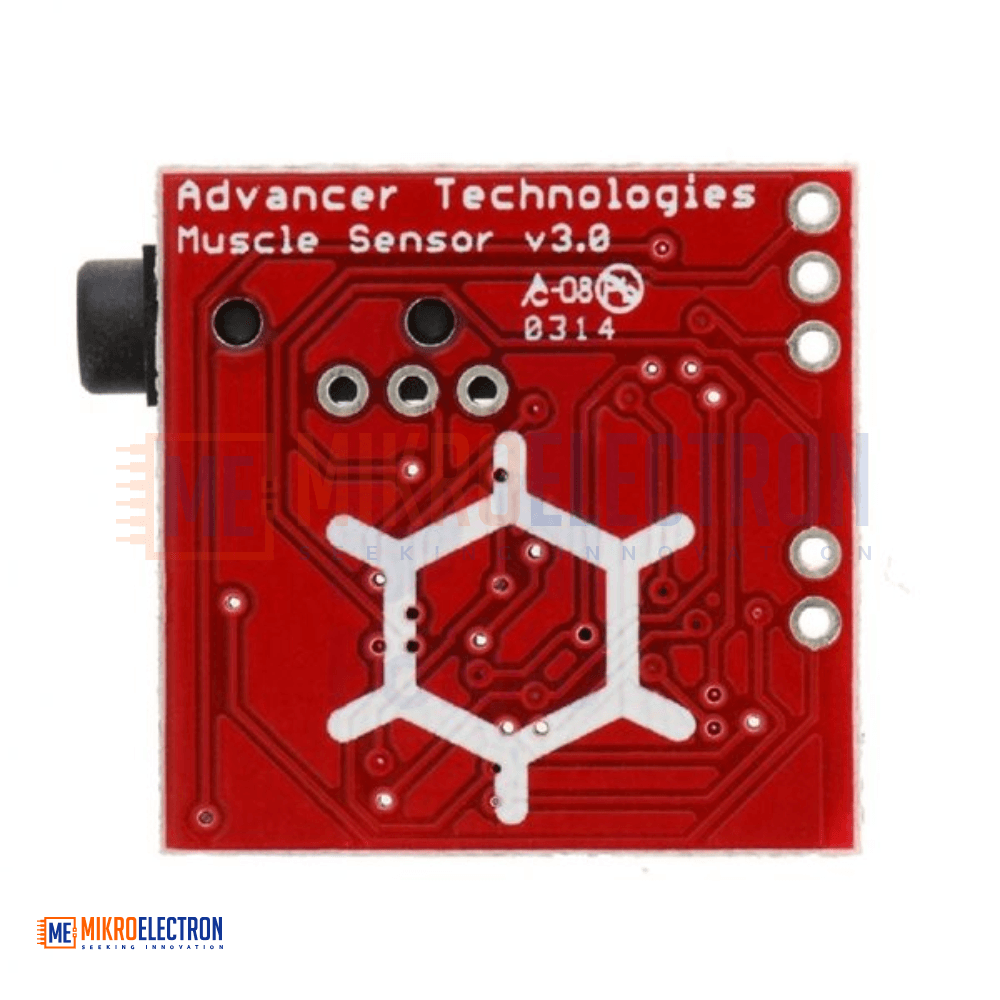
The Advancer Technologies Muscle Sensor V3 is an advanced electromyography (EMG) sensor designed to bring the powerful capabilities of muscle electrical activity sensing into the world of microcontrollers and DIY electronics. By measuring the small electrical signals generated when muscles contract, this sensor enables a wide range of fascinating projects — from muscle-controlled robotic arms and prosthetic interfaces to biofeedback systems, interactive art installations, and fitness/rehabilitation devices.
The sensor performs a complete EMG signal processing chain entirely on its compact PCB:
- Detection — Three medical-grade electrodes pick up the millivolt-level electrical signals produced by muscle fibers
- Differential Amplification — The tiny signal is amplified relative to a reference electrode, dramatically improving signal quality
- Filtering — Removes 60Hz / 50Hz mains noise and other interference
- Rectification — Converts the AC-style EMG signal into a clean DC envelope
- Output — Produces an analog voltage output between 0V and Vs that increases proportionally with muscle activity
This processed output can be read directly by the analog input (ADC) of any microcontroller, including Arduino Uno, Mega, Nano, Leonardo, ESP32, ESP8266, Raspberry Pi (with ADC module), STM32, and others. No complex signal processing or DSP code is required — the sensor delivers a clean, easy-to-interpret signal that ranges from near 0V at rest to a higher voltage during muscle contraction.
The Muscle Sensor V3 represents a significant evolution over previous versions, with several key improvements:
- Reduced power supply requirement — operates from ±3.5V minimum (down from ±5V in earlier versions), making it easier to power from common Arduino-compatible bipolar supplies or simple battery setups
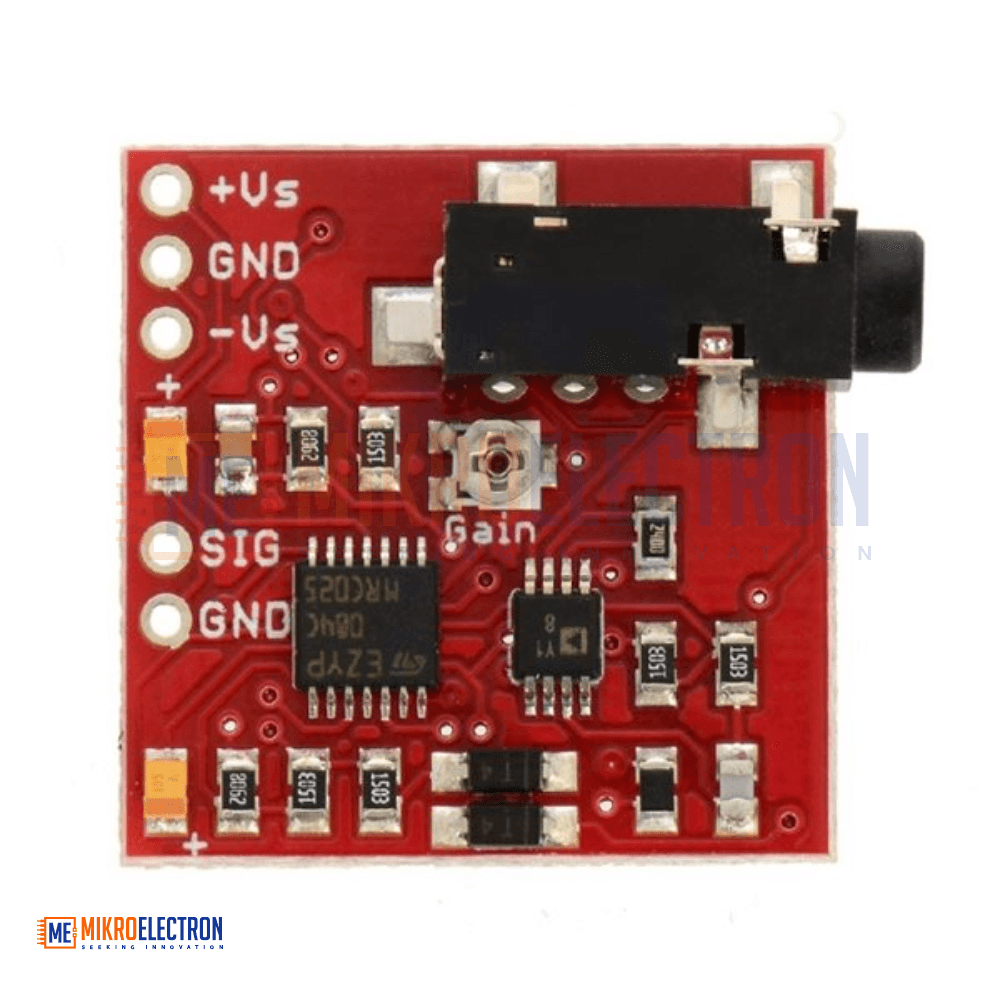
- Improved adjustable gain potentiometer — more rugged and stable for long-term use
- Onboard cable port — connects to the included EMG cable straight out of the box, with no soldering required
- Compact and breadboard-compatible form factor
- Standard 3.5mm electrode connector for easy electrode replacement
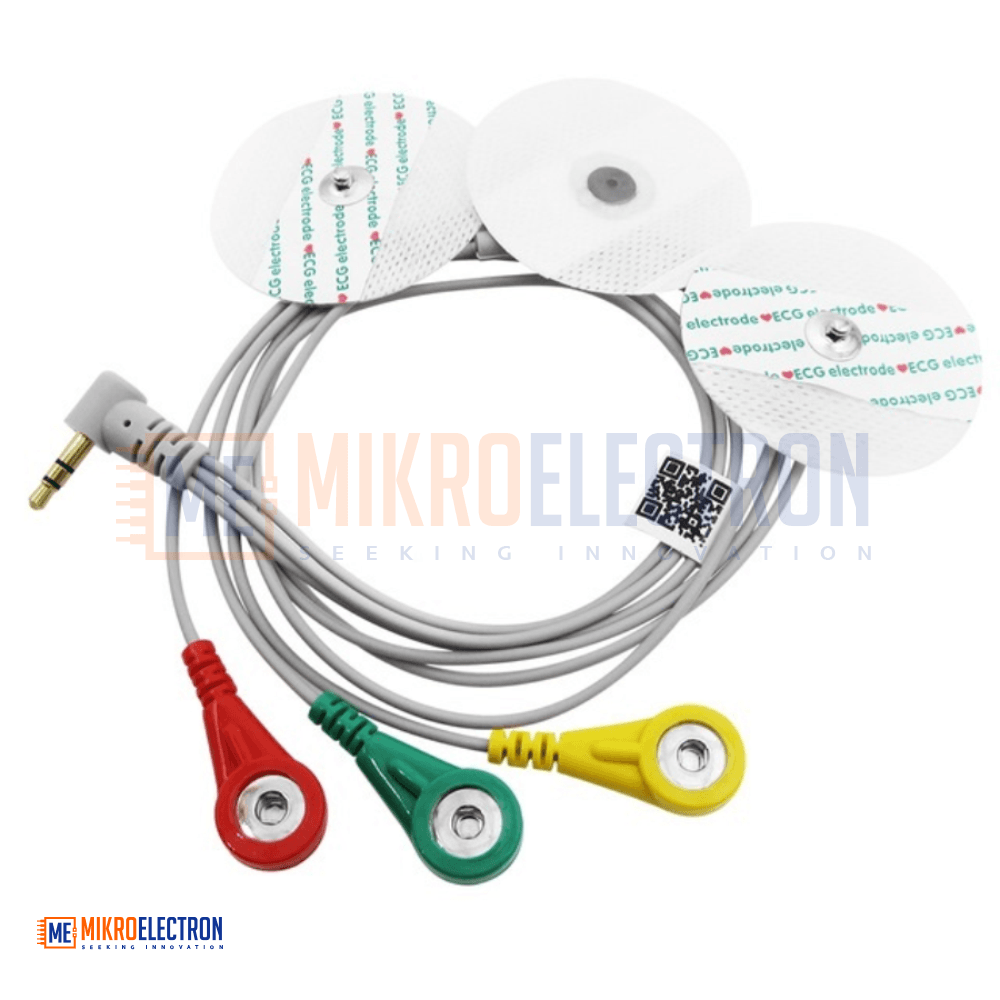
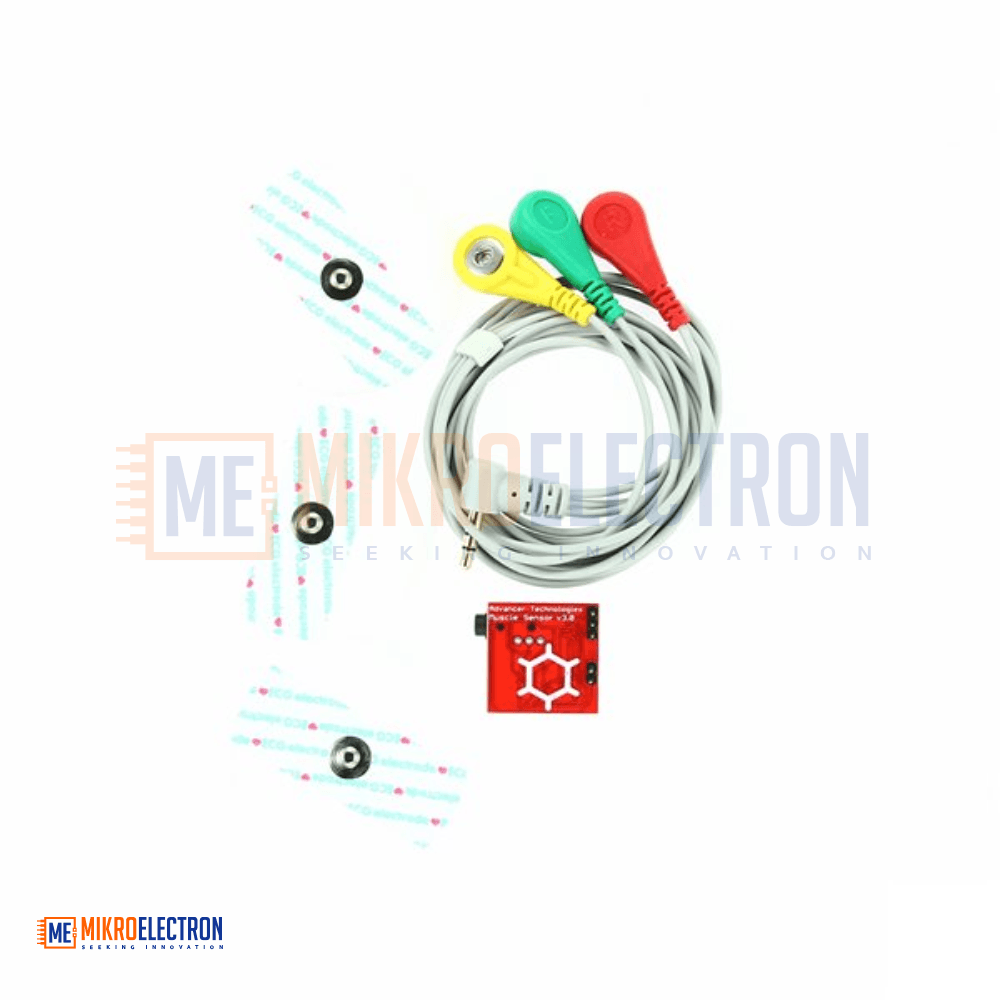
The kit includes the EMG cable with snap-style electrode connectors and a set of medical-grade disposable electrodes, allowing you to start measuring muscle activity immediately. The cable uses standard EMG snap connectors, so additional electrodes can be sourced from any medical supply store when the included ones are used up.
Typical Output Behavior:
- Muscle Relaxed: Output near 0V (resting baseline)
- Light Contraction: Output rises proportionally
- Strong Contraction: Output approaches Vs (supply voltage)
This makes it incredibly easy to detect muscle activity with a simple analogRead() call in Arduino code — no DSP knowledge required.
The Muscle Sensor V3 is widely used in:
- Educational neuroscience and biology experiments
- University research projects in biomedical engineering
- DIY prosthetic hand/arm prototypes
- Robotic arm control by muscle gestures
- Wearable rehabilitation devices
- Interactive art and music installations where the artist's muscle activity controls visuals or sound
- Sports science and performance analysis
- EMG-controlled drones and toys (cool maker projects)
- Sign language translation prototypes
- Game controllers based on muscle gestures
Specifications
Sensor
- Type: Surface EMG (Electromyography) Sensor
- Output: Analog (filtered, rectified, amplified)
- Output Range: 0V to Vs (supply voltage)
- Power Supply: Bipolar, ±3.5V minimum (typically ±5V to ±9V)
- Adjustable Gain: Yes (onboard potentiometer)
- Signal Processing: Differential amplification, filtering, rectification — all onboard
Mechanical
- Form Factor: Small, breadboard-compatible PCB
- Cable Length: ~2 feet (~60 cm)
- Cable Connector: Onboard port (plug-and-play)
- Electrode Connector: 3.5mm jack
- Electrode Pad Diameter: 52 mm (medical-grade snap electrodes)
- Weight: ~30 g
Output Pinout
| Pin | Function |
|---|---|
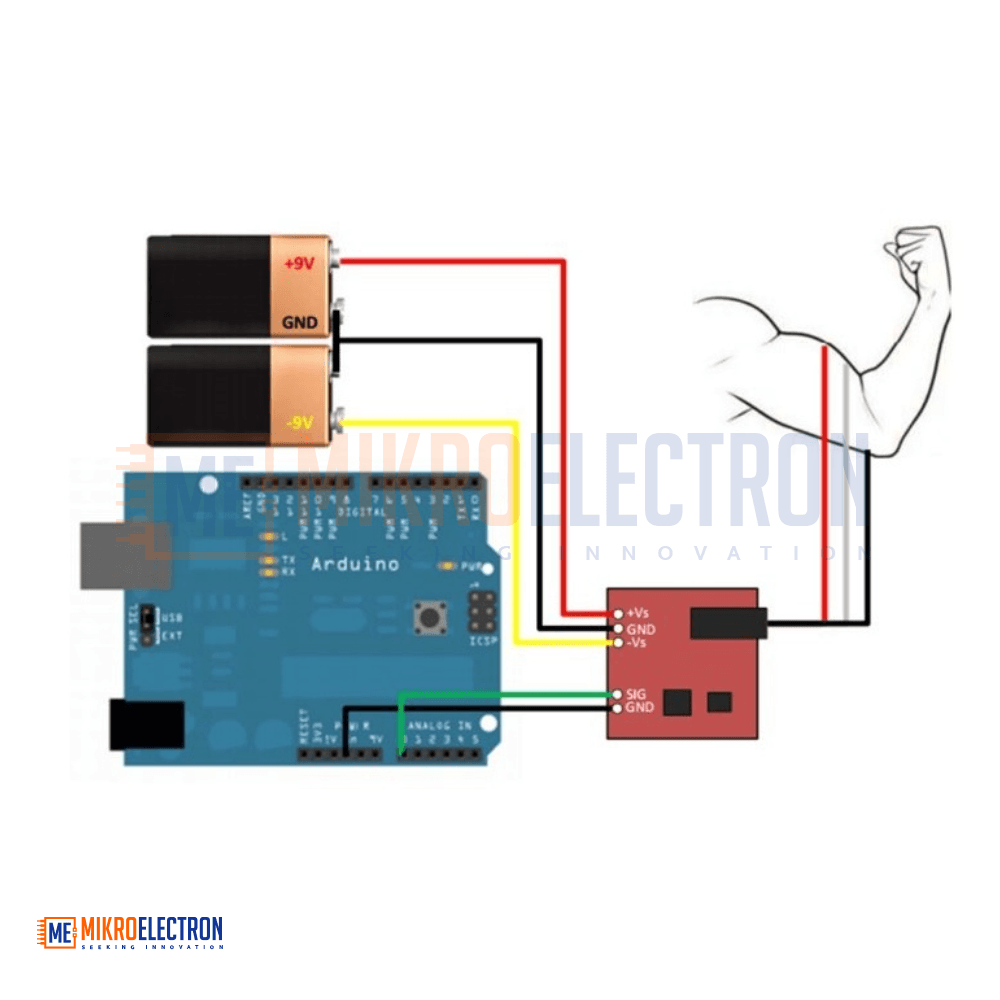
| SIG | Analog signal output (to MCU ADC pin) |
| GND | Ground (to MCU GND) |
| +Vs | Positive supply (e.g., +5V) |
| -Vs | Negative supply (e.g., -5V or 0V w/ rail-to-rail amp) |
Compatibility
- Microcontrollers: Arduino, ESP32, ESP8266, Raspberry Pi (w/ ADC), STM32, and others with analog inputs
- Power Sources: Bipolar bench supplies, dual battery packs (e.g., 2 x 9V batteries with center tap as GND)
Applications
- Muscle-controlled robotic arms and grippers
- DIY prosthetic hand prototypes
- Wearable EMG fitness trackers
- Rehabilitation and physical therapy devices
- Biofeedback systems for relaxation training
- Sign language recognition prototypes
- Game controllers activated by muscle flex
- EMG-controlled drone or RC vehicle interfaces
- Sports performance analysis — muscle exertion tracking
- Interactive art — muscle activity drives visuals or music
- Wearable assistive technology
- Educational STEM, biology, and neuroscience experiments
- Research projects in biomedical engineering and HCI
- EMG data logging for posture and muscle health analysis
- Custom musical instruments activated by muscle contractions
- Robotic exoskeletons with muscle-activated assistance