
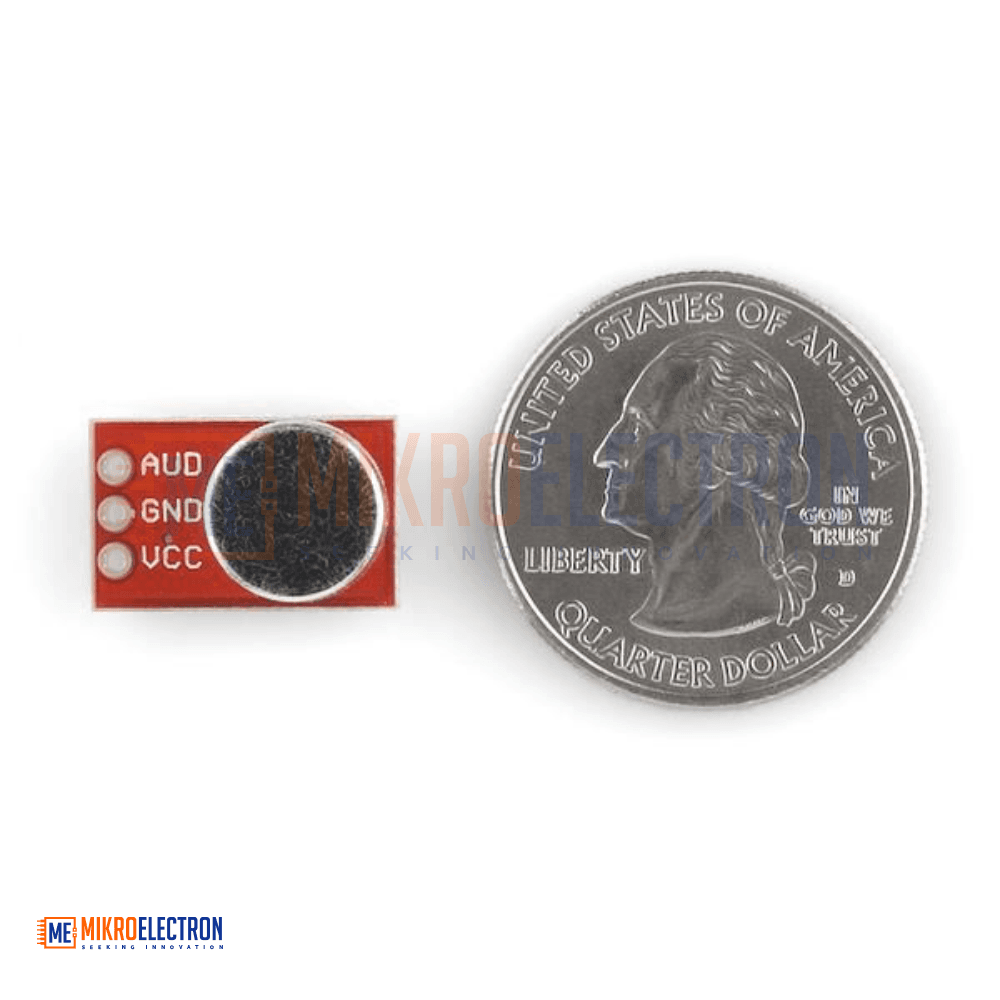
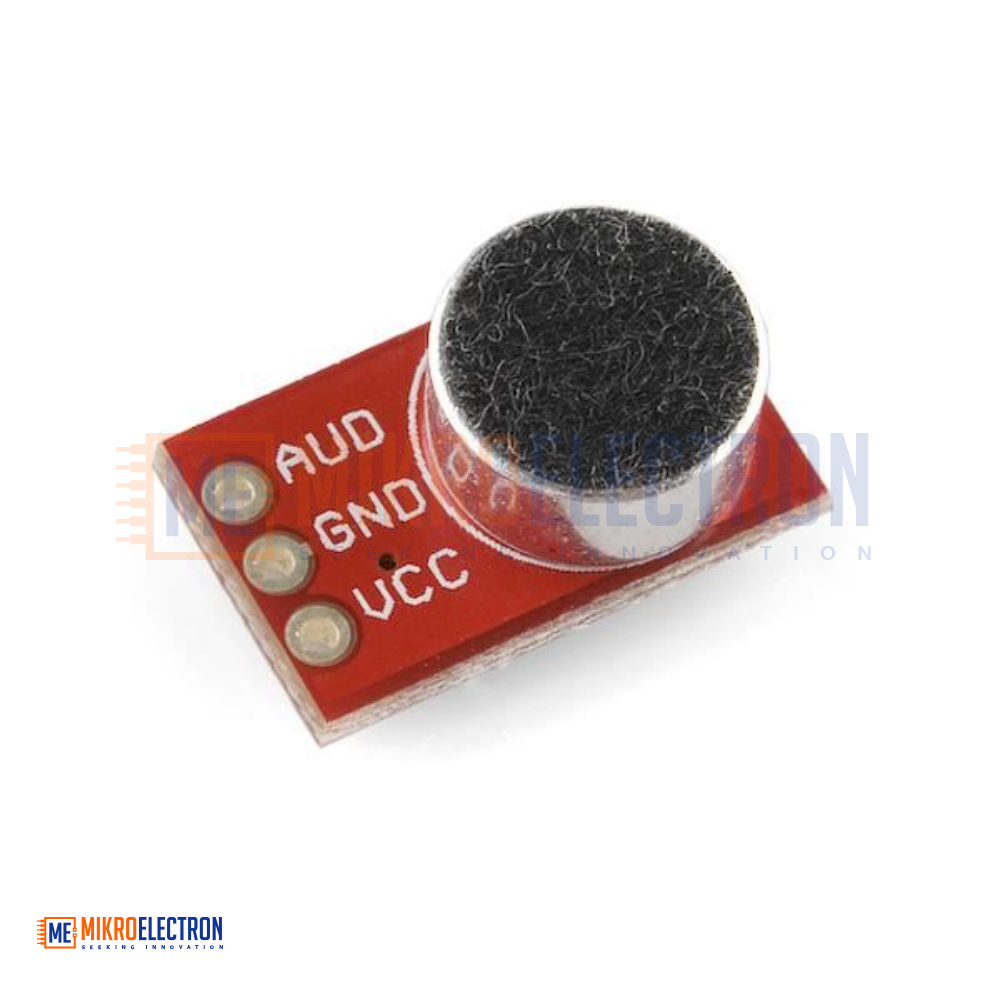
SparkFun Electret Microphone Breakout
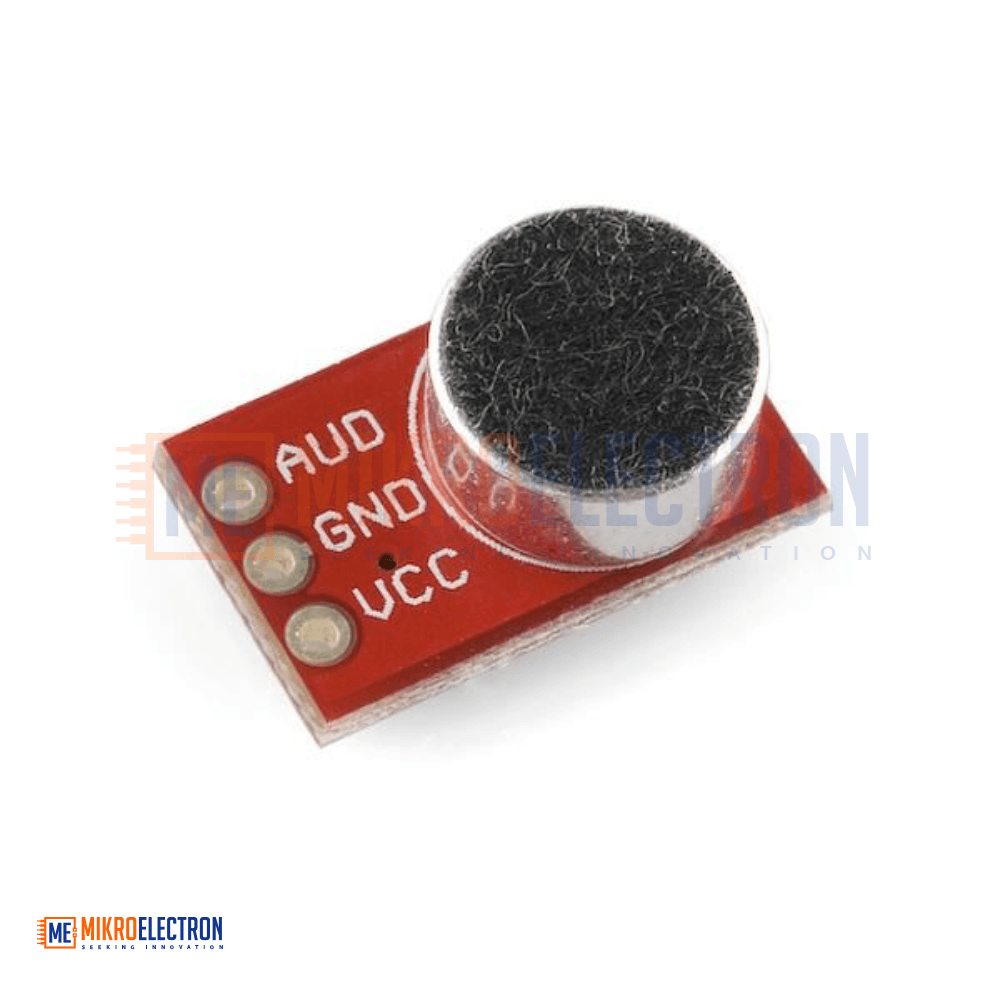
The SparkFun Electret Microphone Breakout is a compact audio input board that pairs a sensitive electret microphone with a 100x op-amp to amplify sounds — like voices, claps, and door knocks — to levels readable by a microcontroller's ADC. Operating from 2.7V to 5.5V, it's perfect for Arduino, Raspberry Pi, and ESP32 sound-detection projects. Comes fully assembled and ready to use, ideal for sound-reactive devices, voice triggers, and audio monitoring application
لوحة الميكروفون الإلكتريت من SparkFun هي وحدة إدخال صوتي مدمجة تجمع بين ميكروفون إلكتريت حساس ومضخّم عمليات بمعامل تكبير 100x لتضخيم الأصوات — كالصوت البشري والتصفيق وطرق الباب — إلى مستوى يمكن قراءته عبر محوّل ADC في المتحكم الدقيق. تعمل بجهد من 2.7 إلى 5.5 فولت، وهي مثالية لمشاريع Arduino وRaspberry Pi وESP32. تأتي مُجمّعة بالكامل وجاهزة للاستخدام في مشاريع الكشف الصوتي والتحكم بالصوت.
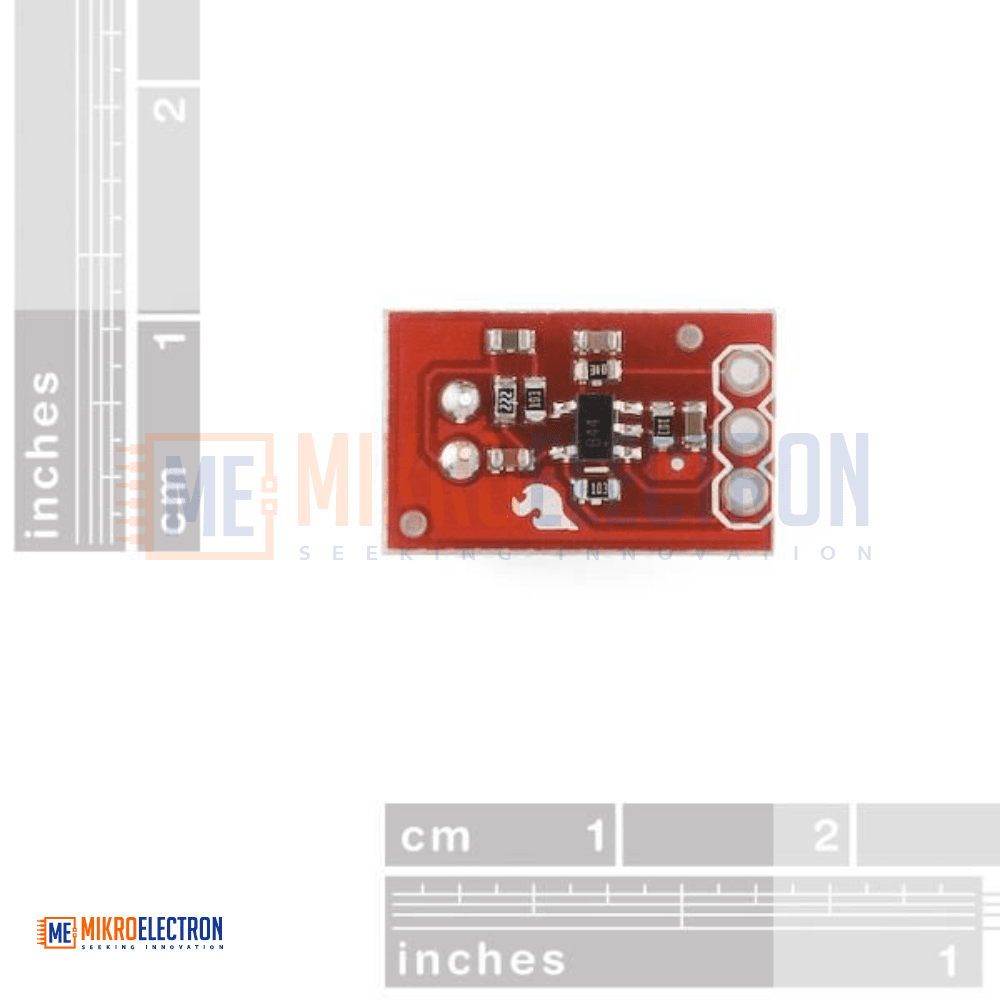
The SparkFun Electret Microphone Breakout is a small but powerful audio input board designed to bring sound-sensing capability to your microcontroller projects. It combines a high-quality electret microphone with an OPA344 op-amp configured for 100x gain, producing an analog output strong enough to be read directly by an Arduino, Raspberry Pi, ESP32, or any microcontroller's Analog-to-Digital Converter (ADC).
This breakout is ideal for detecting voices, claps, knocks, ambient noise levels, and other acoustic events in real time. Whether you're building a clap-activated light, a voice-triggered robot, a sound level meter, or a smart home noise monitor, this breakout provides a clean, amplified analog signal that's ready to use with no external components required.
The board operates over a wide voltage range of 2.7V to 5.5V, making it compatible with both 3.3V and 5V logic systems. It comes fully assembled and tested, so you can solder on header pins or wires and start sampling audio immediately.
Note: This breakout outputs an analog audio waveform — not a digital trigger. To detect sound events, your microcontroller code should sample the ADC at a regular rate and process the readings (e.g., peak detection, envelope, or FFT).
Specifications
- Microphone Type: Electret condenser
- Onboard Amplifier: Op-amp with 100x (≈40 dB) gain
- Operating Voltage: 2.7V – 5.5V DC
- Output Type: Analog audio waveform
- Logic Compatibility: 3.3V and 5V systems
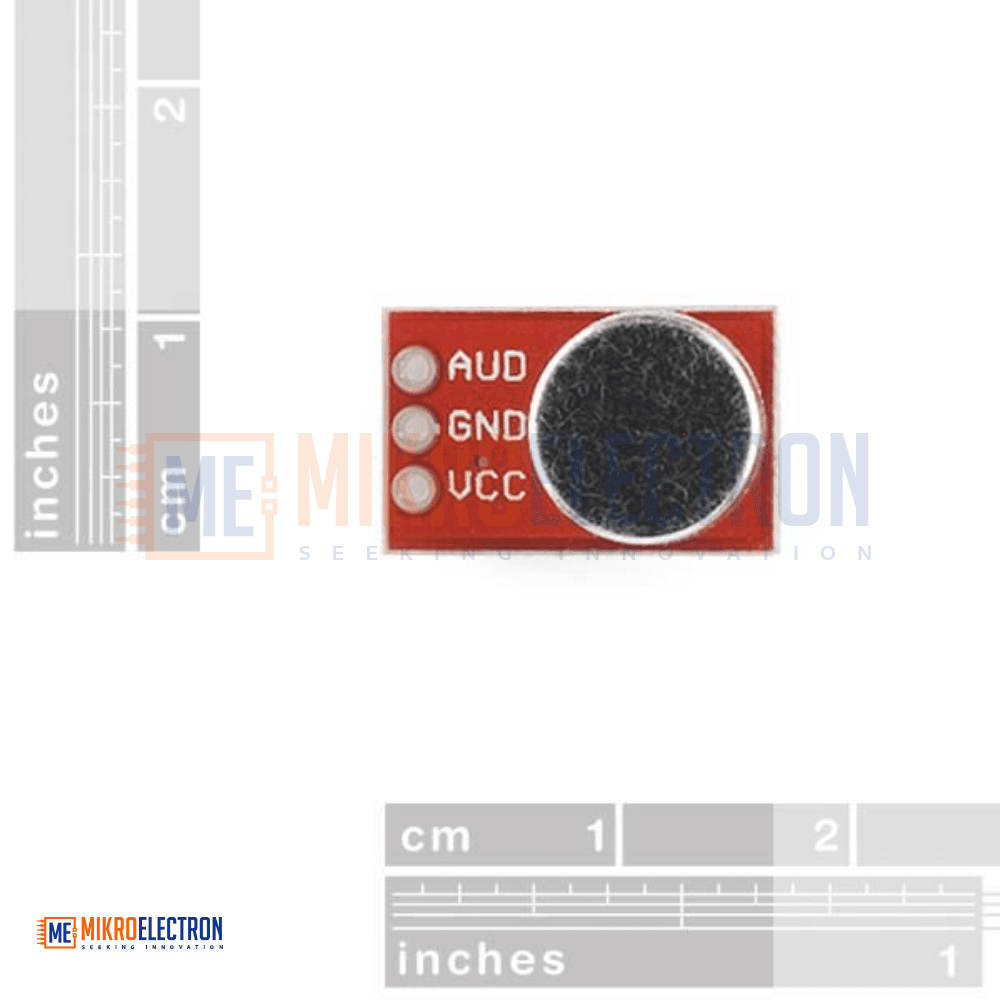
- Form Factor: Compact breakout PCB
- Assembly: Fully assembled and tested
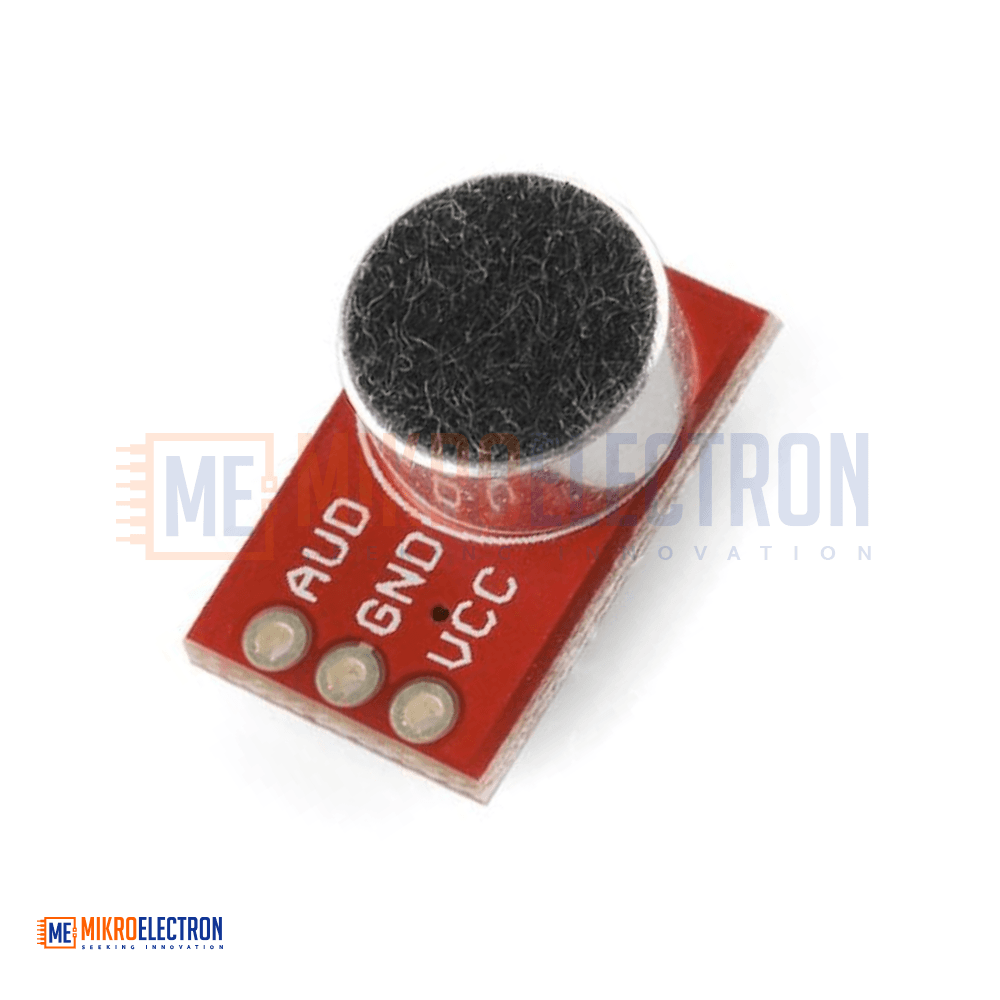
- Connections: VCC, GND, AUD (audio output)
- Compatible With: Arduino, Raspberry Pi, ESP32, ESP8266, Teensy, and other microcontrollers
Applications
- Sound detection and clap-activated devices
- Voice-triggered projects and simple voice activity detection
- Sound level meters and noise monitoring
- Audio reactive LED projects and visualizers
- Smart home ambient noise sensing
- Security and surveillance sound triggers
- Robotics — sound-following or sound-reactive robots
- IoT environmental monitoring with ESP32 / ESP8266
- Educational STEM projects involving signal processing and FFT
- Wearables and battery-powered audio sensing devices