
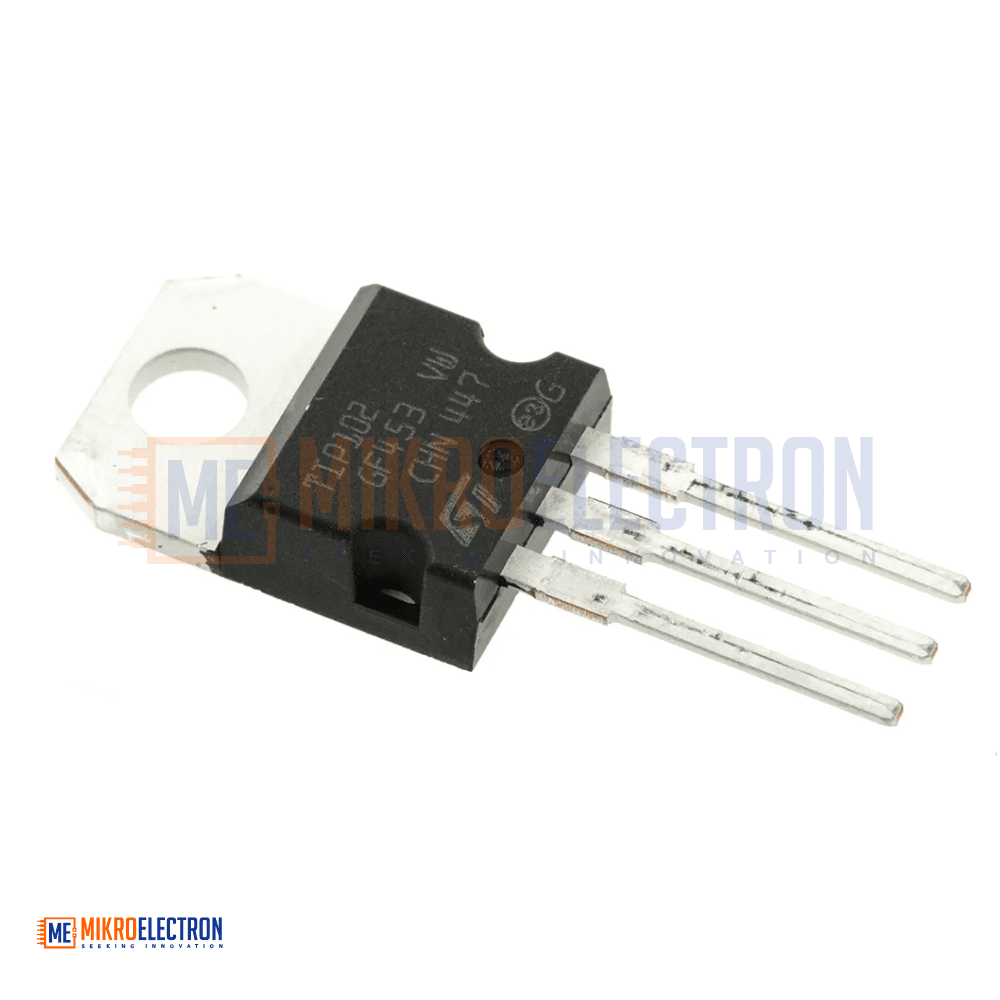
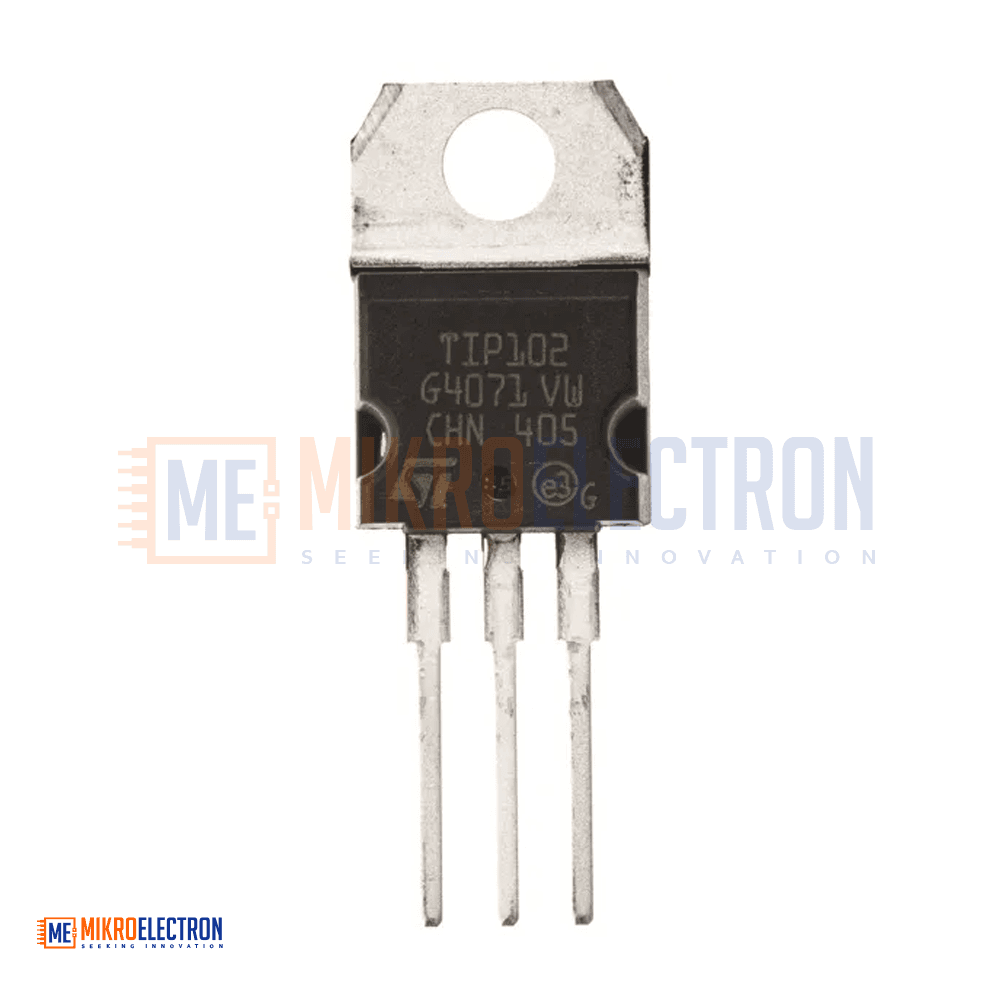
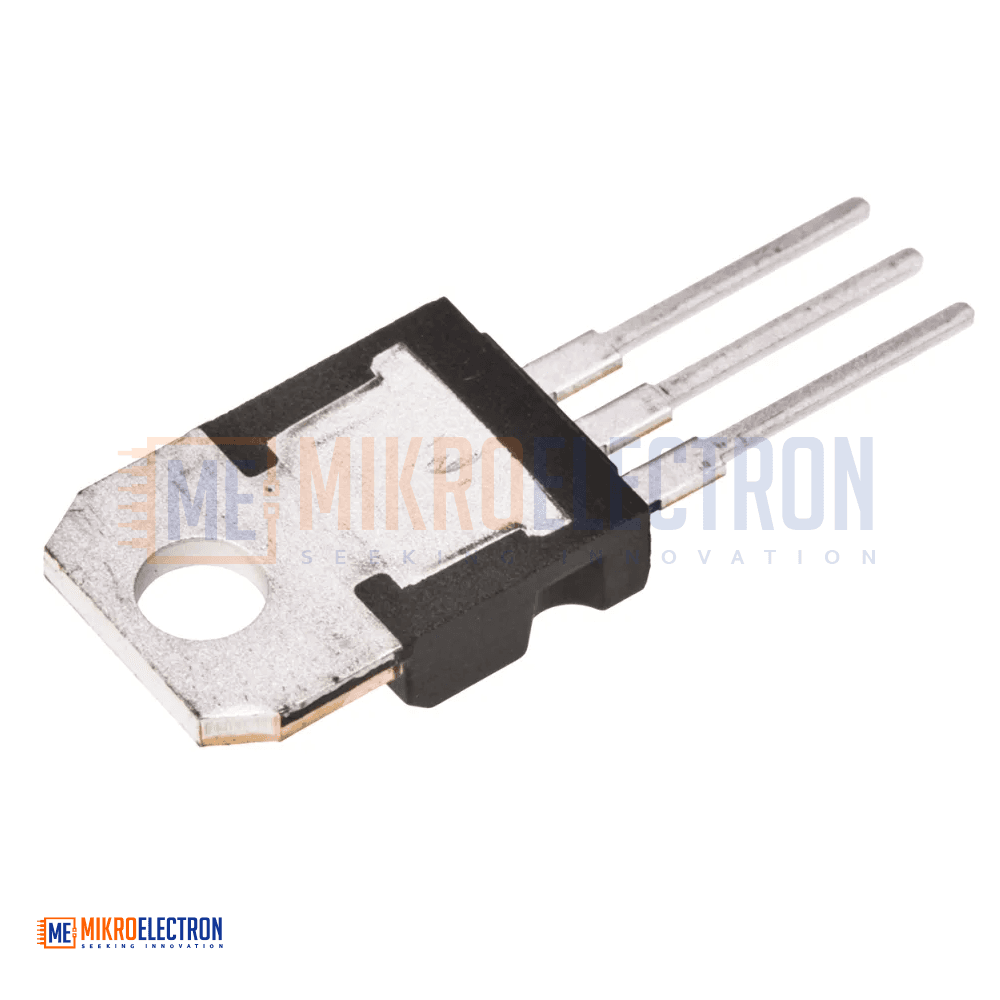
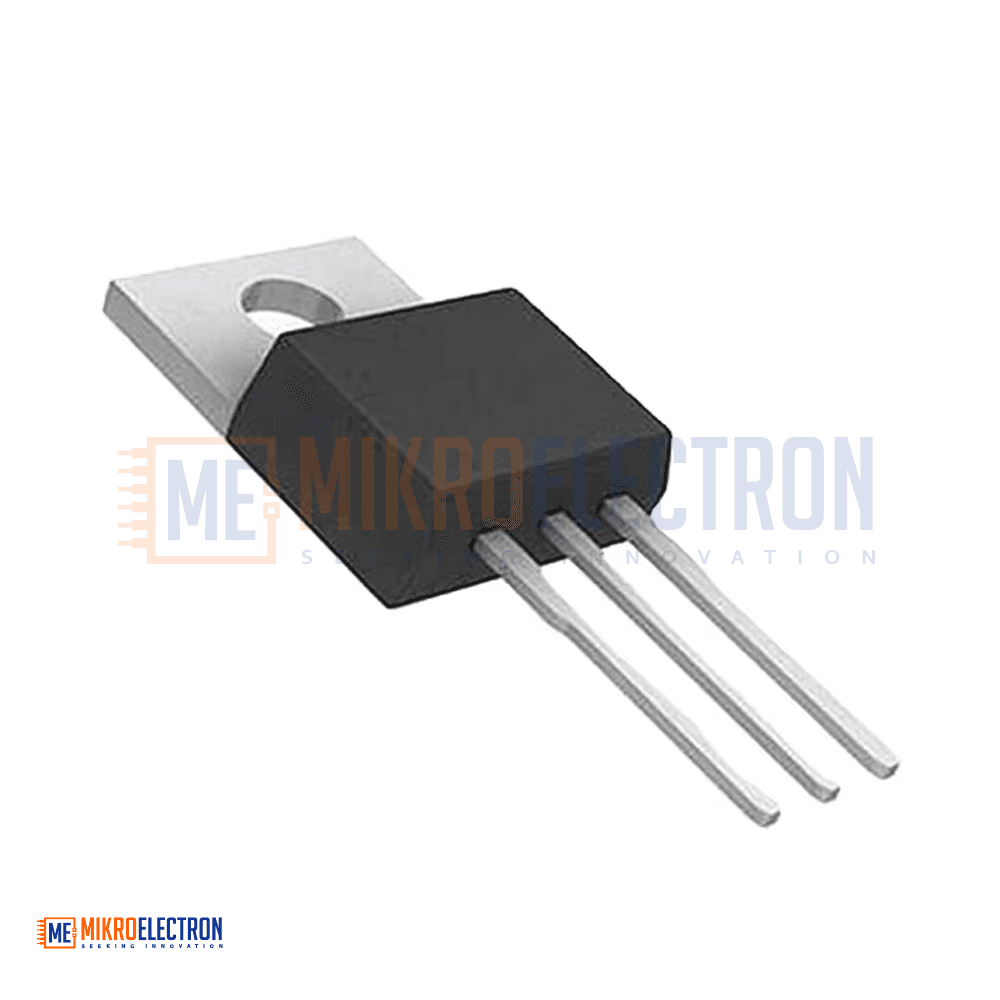
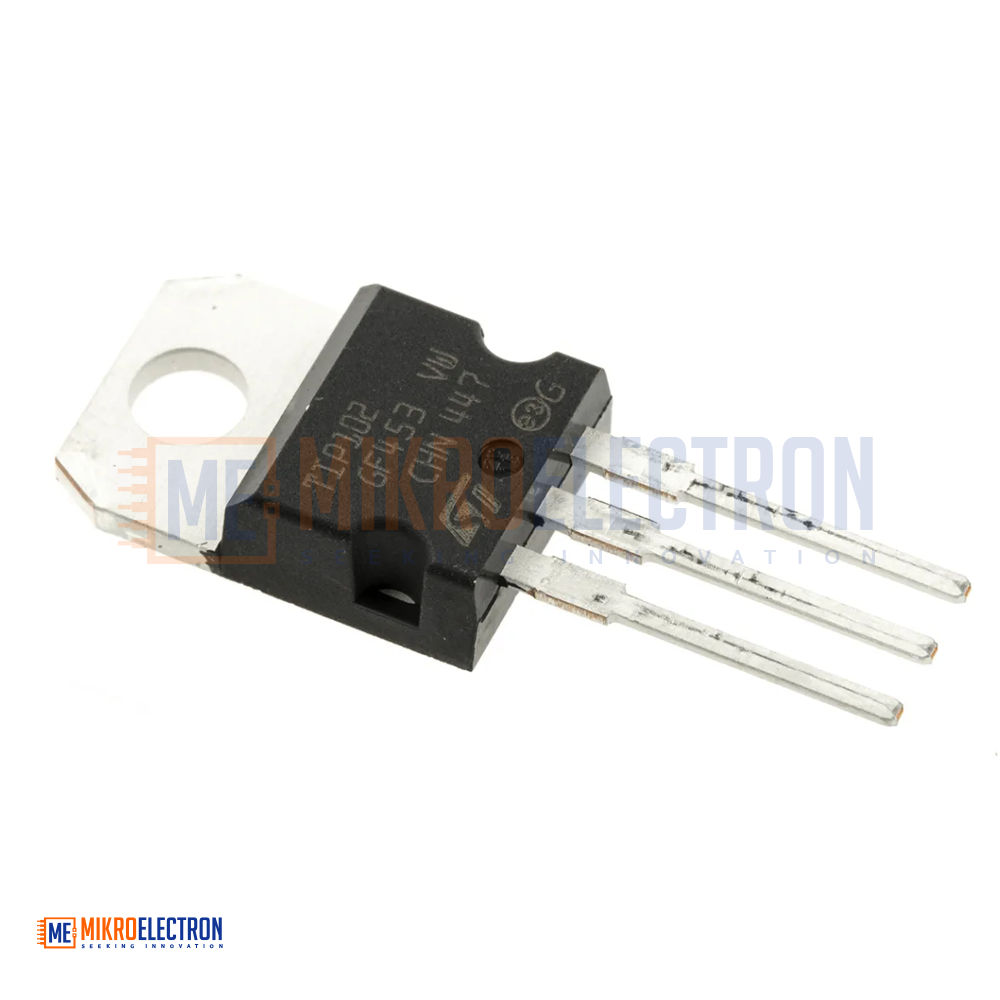
NPN POWER Darlington TRA.100V 8A TIP102
The TIP102 NPN Darlington Power Transistor is a high-current switching and amplification transistor in a rugged TO-220 package. It handles a collector-emitter voltage of 100V, continuous collector current of 8A, and operates up to 150°C, with a high DC current gain (hFE) of 200. Ideal for motor control, power amplifiers, relay driving, audio circuits, and high-current switching applications with Arduino, Raspberry Pi, and other microcontrollers needing high-current load drivers.
ترانزستور القدرة TIP102 من نوع NPN Darlington هو ترانزستور قدرة عالية للتبديل والتضخيم في غلاف TO-220 متين. يتحمّل جهد جامع-باعث 100 فولت وتيار جامع مستمر 8 أمبير ودرجة حرارة تشغيل تصل إلى 150°م، بمعامل تضخيم تيار (hFE) عالٍ يبلغ 200. مثالي لتطبيقات التحكم بالمحركات، مكبّرات القدرة، تشغيل الريليهات، الدوائر الصوتية، والتبديل بالتيارات العالية مع Arduino وRaspberry Pi والمتحكمات الدقيقة التي تحتاج لقيادة أحمال عالية التيار.
The TIP102 is an NPN Darlington power transistor designed for medium-power switching and linear amplification applications. Built into a robust TO-220 through-hole package, this transistor combines two cascaded NPN transistors in a single device, delivering a very high current gain (hFE) of approximately 200 with minimal base drive — making it easy to control directly from a microcontroller or low-current logic source.
With a collector-emitter breakdown voltage of 100V and a continuous collector current rating of 8A, the TIP102 is well suited for driving inductive and resistive loads such as DC motors, solenoids, relays, lamps, and high-power LEDs. It features a low collector cut-off current of just 0.05 mA and a maximum collector-emitter saturation voltage of 2.5V, providing efficient switching characteristics across a wide operating range.
The TIP102 is the NPN complement to the TIP107 PNP, and the two are commonly paired in complementary push-pull output stages for audio power amplifiers and H-bridge motor driver circuits. Its high gain also makes it ideal for logic-level interfacing, where weak signals from microcontrollers like Arduino, Raspberry Pi, or ESP32 must switch large currents reliably.
The transistor operates over a wide temperature range from −65°C up to +150°C, ensuring reliable performance in demanding industrial, automotive, and consumer applications.
Specifications
- Transistor Type: NPN Darlington Power Transistor
- Configuration: Single, 1 element per chip
- Collector-Emitter Voltage V(BR)CEO: 100V
- Collector-Base Voltage V(BR)CBO: 100V
- Emitter-Base Voltage V(BR)EBO: 5V
- Continuous Collector Current (IC): 8A
- DC Current Gain (hFE) Min: 200
- Collector-Emitter Saturation Voltage (Max): 2.5V
- Collector Cut-off Current (Max): 0.05 mA
- Operating Temperature Range: −65°C to +150°C
- Package / Case: TO-220
- Mounting Type: Through-hole
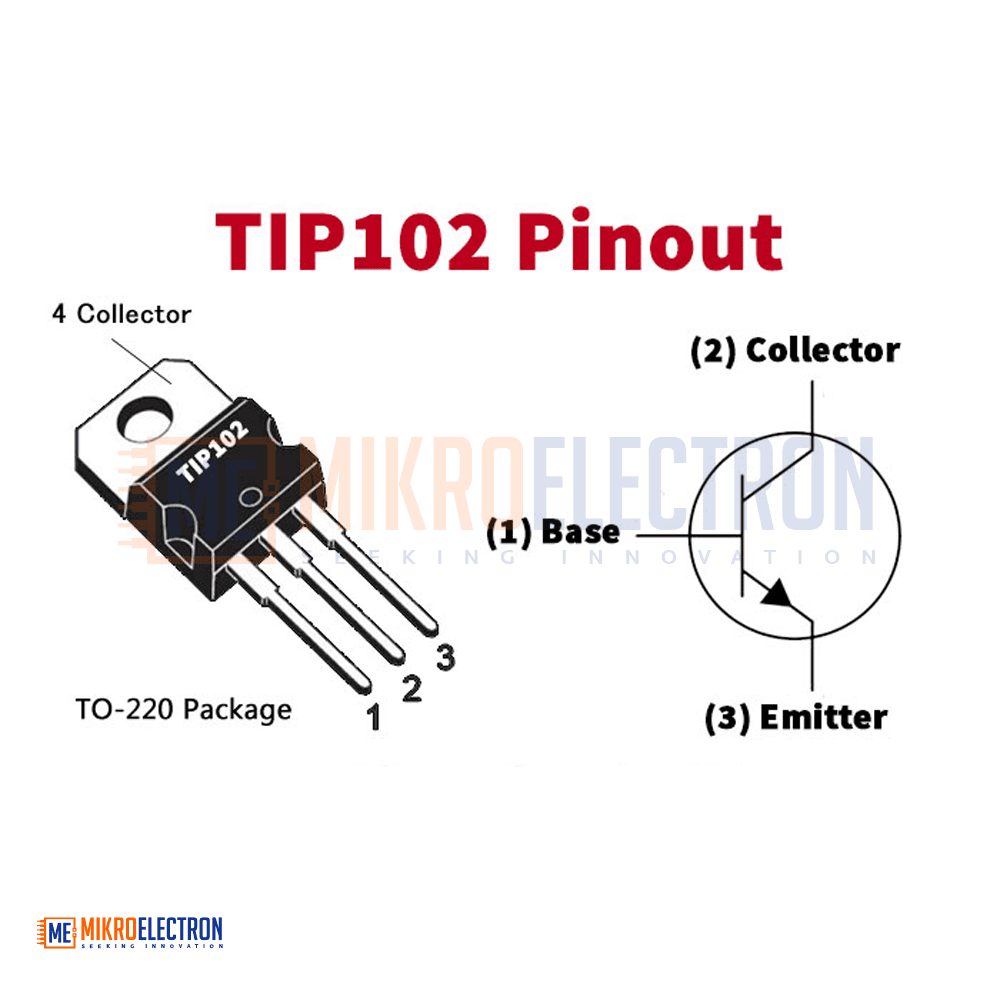
- Pin Count: 3 (Base, Collector, Emitter)
- Dimensions: 10.4 × 4.6 × 9.15 mm
Pin Configuration (TO-220)
- Pin 1: Base (B)
- Pin 2: Collector (C)
- Pin 3: Emitter (E)
Applications
- DC motor control and H-bridge driver circuits
- Relay and solenoid driving from microcontrollers
- Power amplifier output stages (complementary with TIP107)
- Audio amplifier circuits
- High-current LED and lamp drivers
- Power switching in industrial control systems
- Linear voltage regulators and power supplies
- Battery charger and power management circuits
- Inverter and converter circuits
- Arduino, Raspberry Pi, and microcontroller load drivers
- Robotics and automation systems
- Automotive electronics and switching applications
- General-purpose medium-power switching