
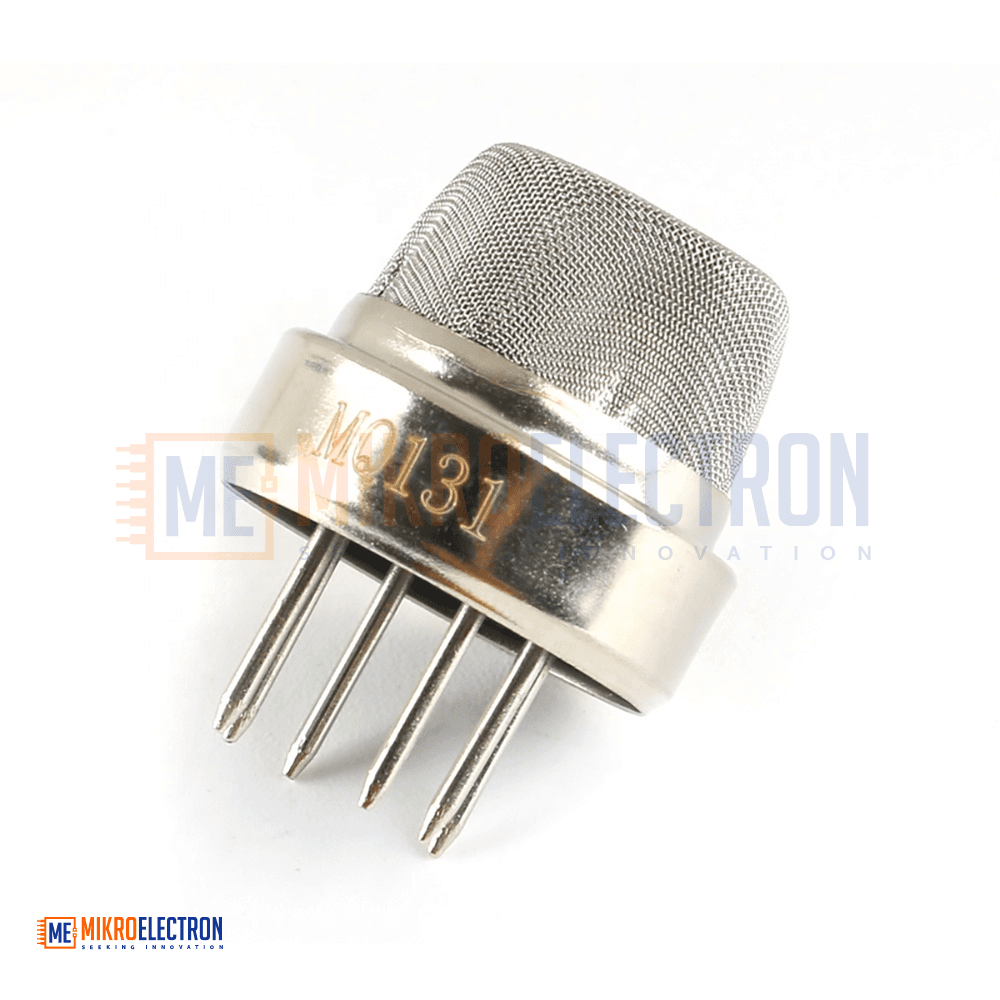
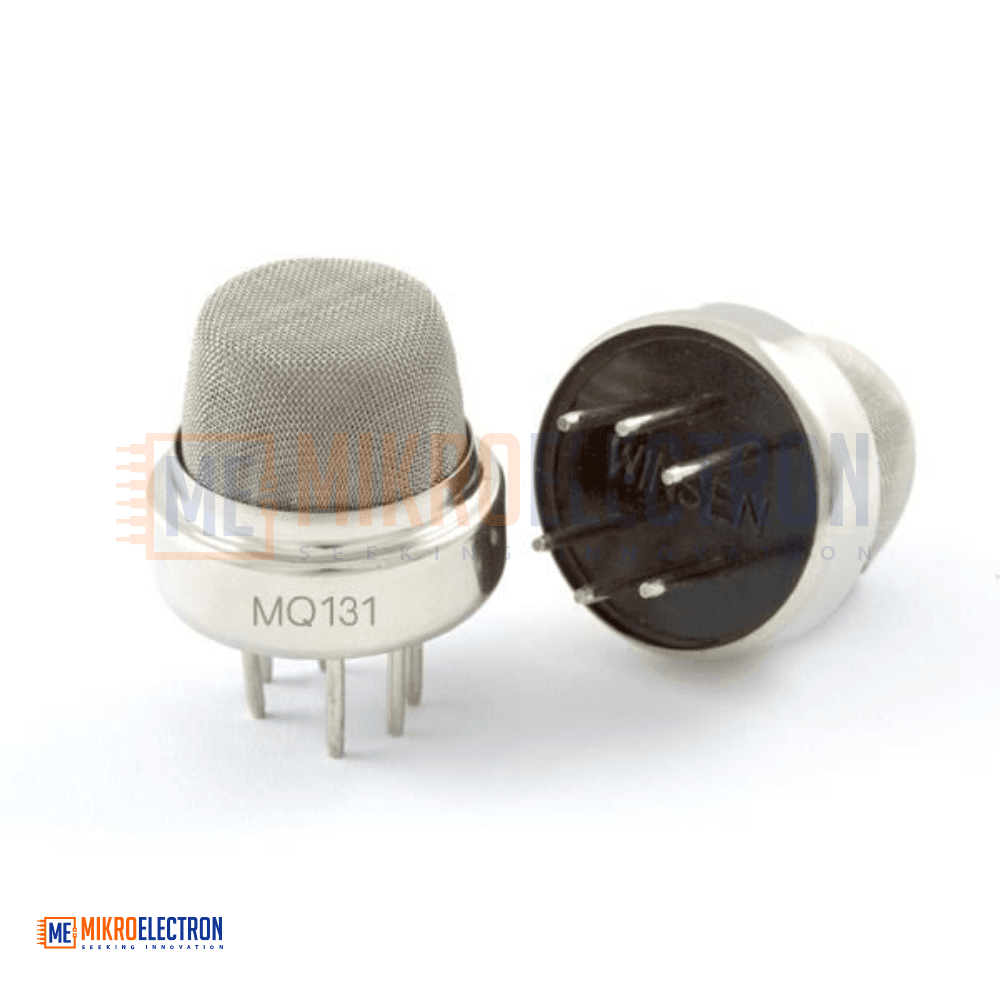

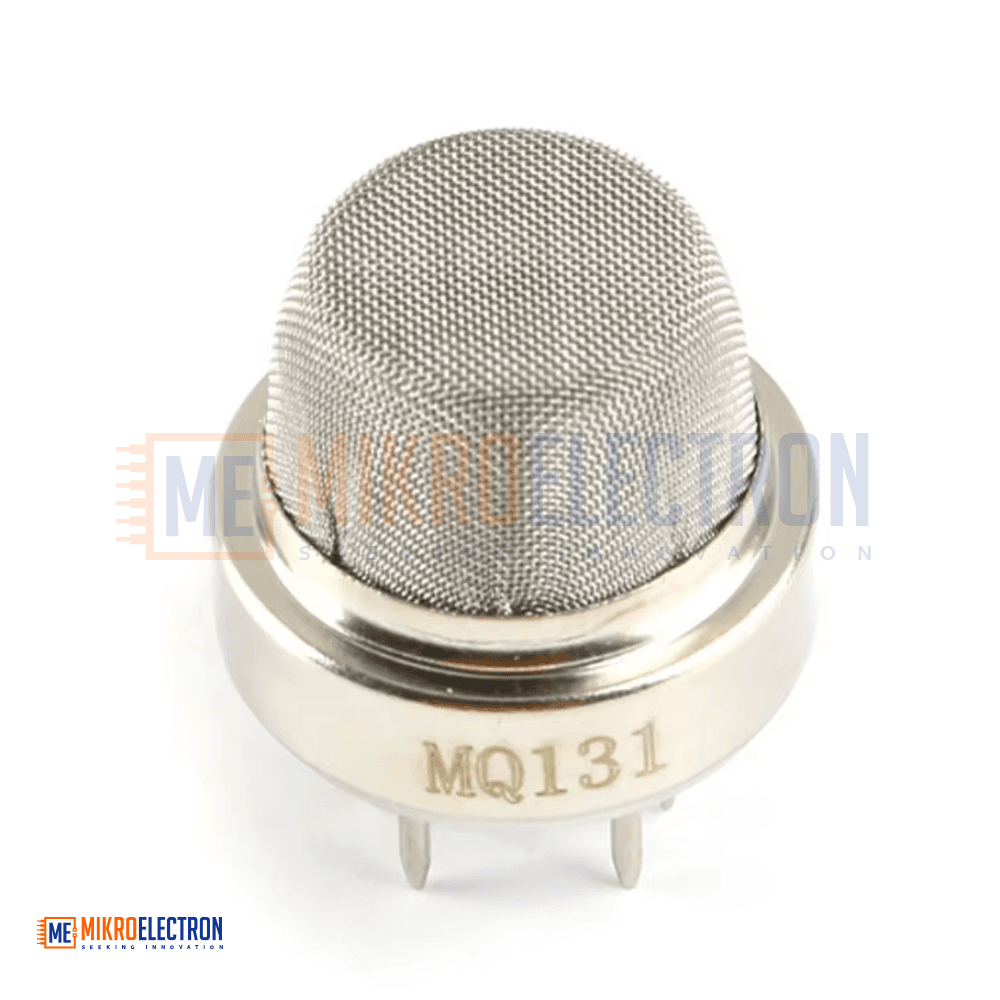
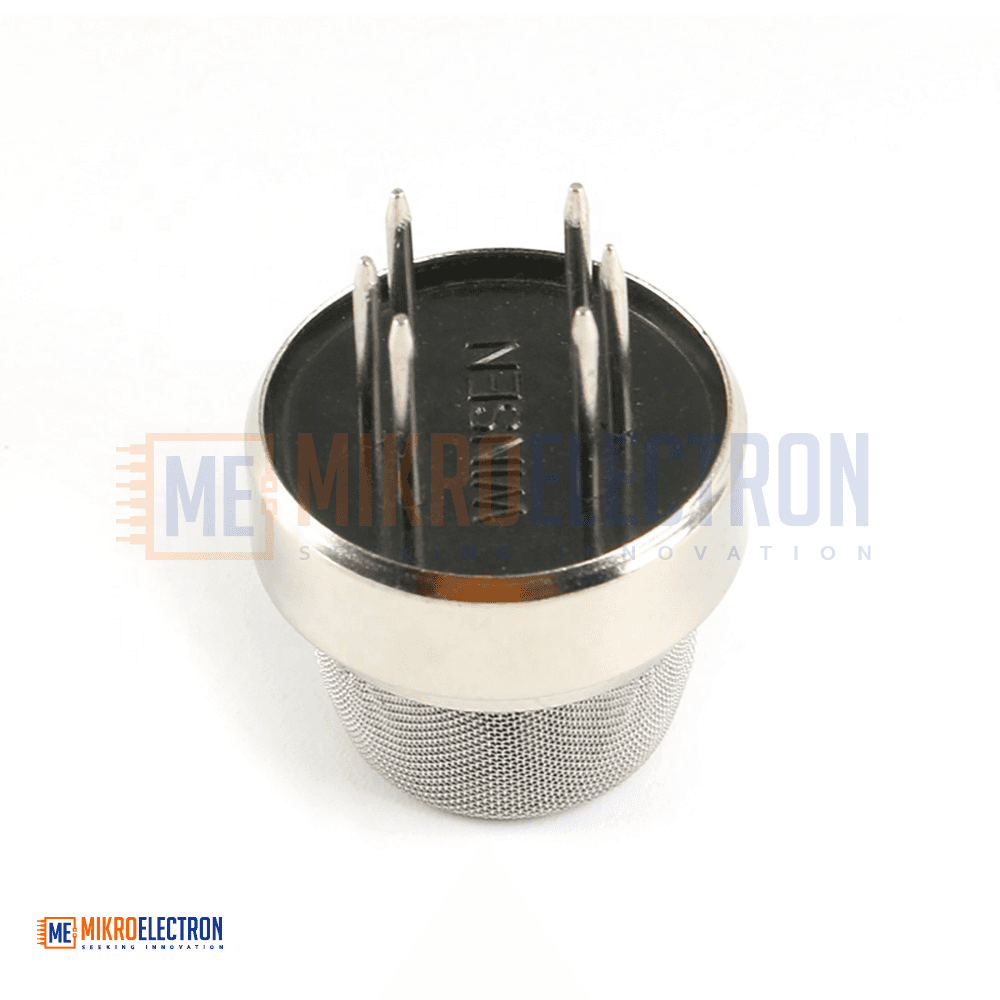
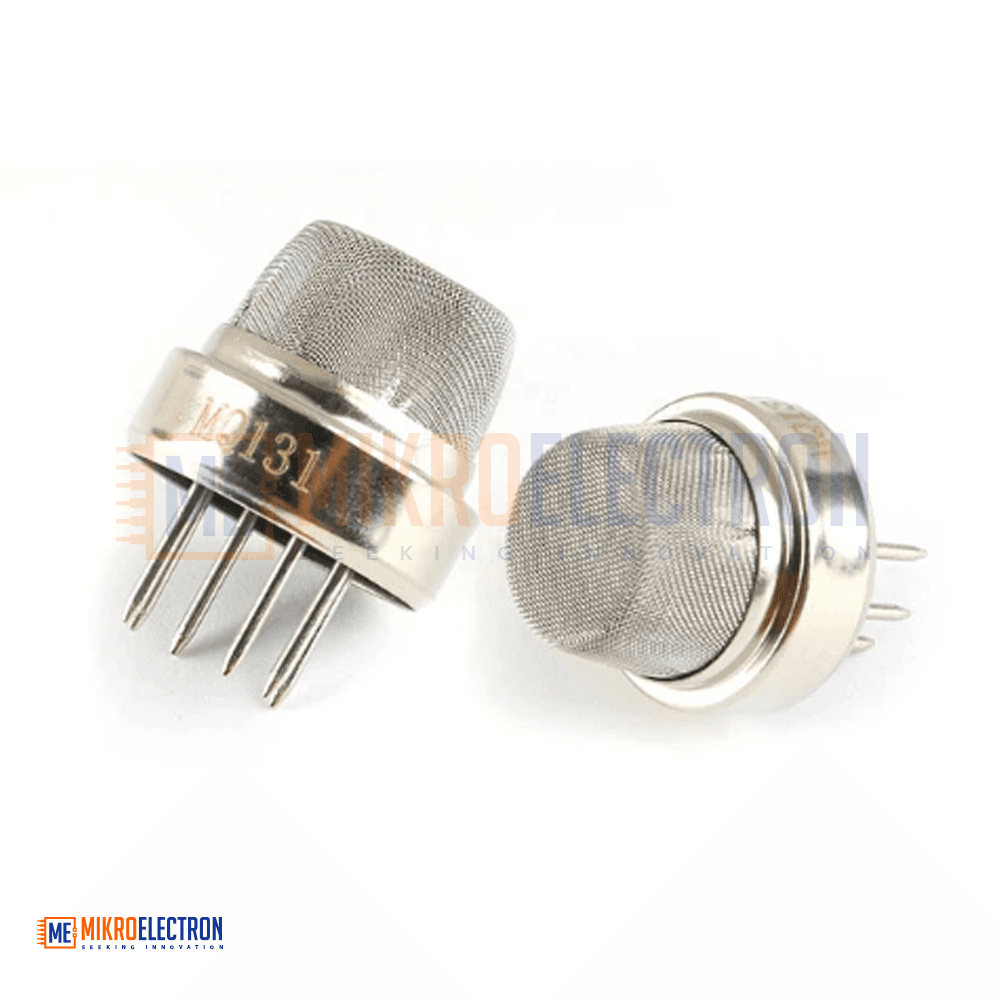
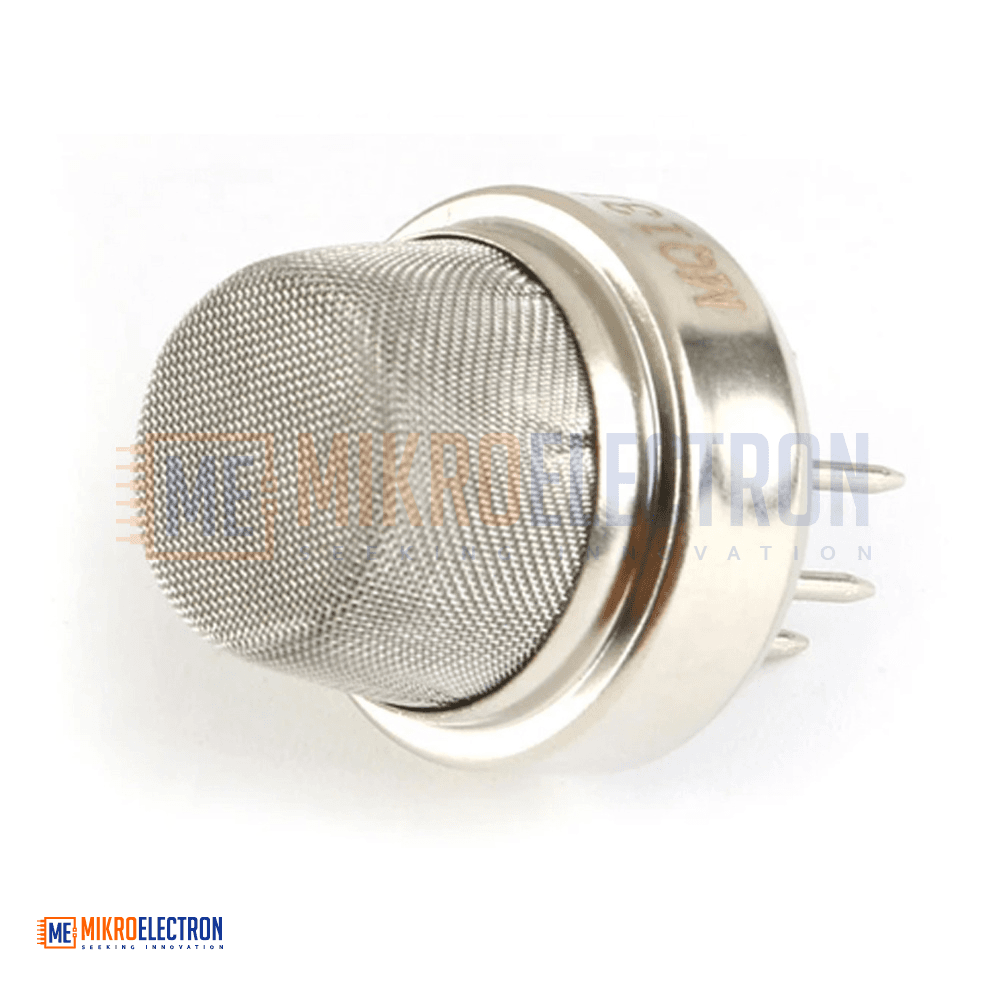
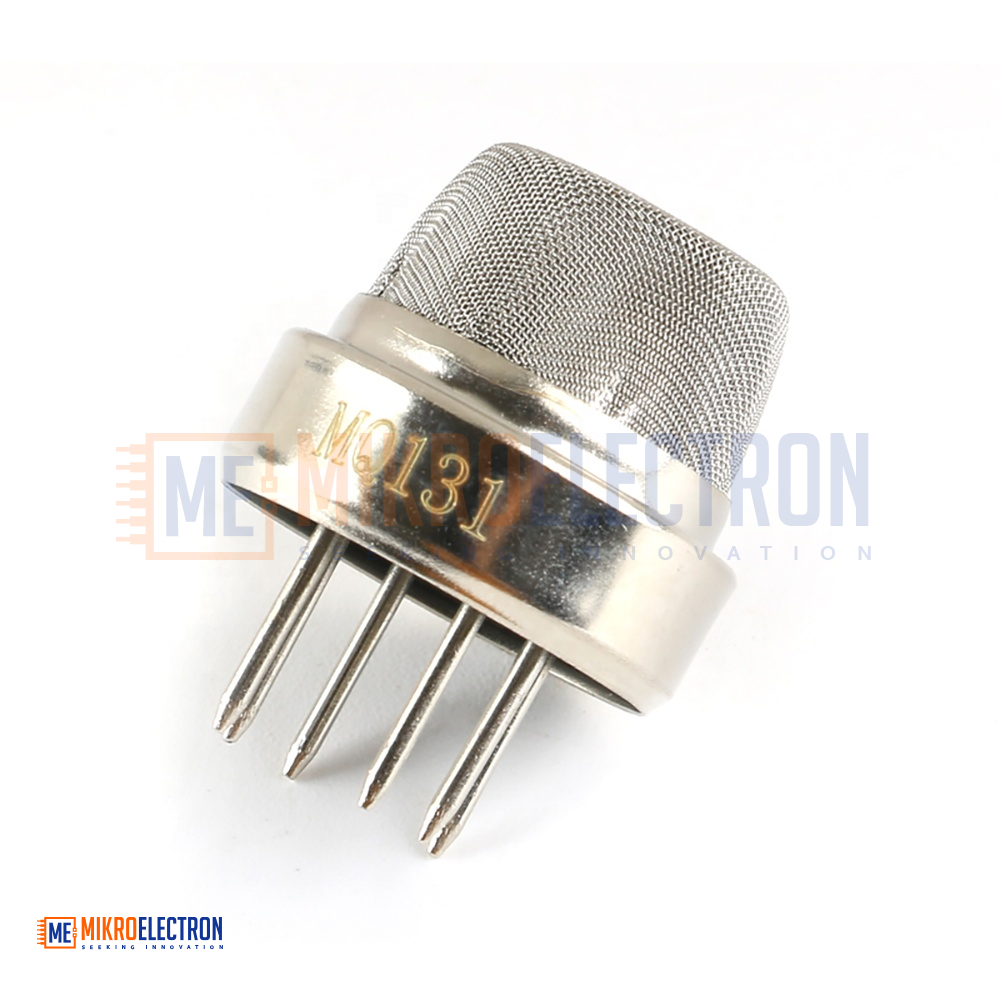
MQ131 Semiconductor Sensor for Ozone
The MQ131 Semiconductor Gas Sensor is a high-sensitivity sensor designed to detect ozone (O₃) and other strong oxidizing gases such as chlorine (Cl₂) and nitrogen dioxide (NO₂). It uses a tin dioxide (SnO₂) sensing element whose conductivity increases with rising gas concentration, producing a simple analog output. With wide detection range, long lifespan, and low cost, it is ideal for domestic, industrial, and portable ozone monitoring systems as well as Arduino-based air quality projects.
مستشعر الأوزون MQ131 هو مستشعر شبه موصل عالي الحساسية مصمم للكشف عن غاز الأوزون (O₃) والغازات المؤكسدة القوية الأخرى مثل الكلور (Cl₂) وثاني أكسيد النيتروجين (NO₂). يستخدم عنصر استشعار من ثاني أكسيد القصدير (SnO₂) الذي تزداد موصليته مع ارتفاع تركيز الغاز، مما ينتج خرجًا تماثليًا بسيطًا. يتميز بـ نطاق كشف واسع وعمر طويل وتكلفة منخفضة، وهو مثالي لأنظمة مراقبة الأوزون المنزلية والصناعية والمحمولة ومشاريع جودة الهواء مع Arduino.
The MQ131 Gas Sensor is a reliable and cost-effective metal-oxide semiconductor (MOS) sensor specifically designed for the detection of ozone (O₃) in air, with notable cross-sensitivity to other oxidizing gases such as chlorine (Cl₂) and nitrogen dioxide (NO₂). The sensor's active material is tin dioxide (SnO₂), which exhibits low electrical conductivity in clean air. When exposed to ozone or similar oxidizing gases, the conductivity of the sensor element increases proportionally with the gas concentration, allowing for continuous, real-time gas monitoring.
The sensor is designed to operate with a simple electrical circuit that converts the change in conductivity into a corresponding analog output voltage, which can be read directly by a microcontroller's ADC pin (such as Arduino, ESP32, STM32, or Raspberry Pi via an ADC module). This makes the MQ131 highly accessible for both professional gas detection systems and DIY air quality monitoring projects.
The MQ131 features a built-in heater coil that brings the sensing element to its optimal operating temperature, ensuring stable and accurate readings. After a brief warm-up time, the sensor delivers consistent measurements over a wide concentration range. Its long operational life, low power consumption, and simple drive requirements make it a popular choice for both stationary detectors and portable handheld instruments.
The MQ131 is commonly used to detect dangerous ozone levels in environments where ozone is generated as a byproduct (such as printing facilities, water treatment plants, medical sterilizers, and industrial laser equipment) or where ozone-based air purification systems are in use.
Specifications
- Sensor Type: Metal-Oxide Semiconductor (MOS)
- Sensing Material: Tin Dioxide (SnO₂)
- Target Gas: Ozone (O₃)
- Cross-Sensitive To: Chlorine (Cl₂), Nitrogen Dioxide (NO₂)
- Output Type: Analog voltage (proportional to gas concentration)
- Heater Voltage (VH): 5.0V ± 0.2V (AC or DC)
- Loop Voltage (VC): ≤ 24V DC
- Load Resistance (RL): Adjustable
- Heater Resistance (RH): Approximately 31Ω ± 3Ω
- Heater Power Consumption: Less than 900 mW
- Operating Temperature: -10°C to +50°C
- Storage Temperature: -20°C to +70°C
- Humidity Range: Less than 95% RH
- Preheat Time: Recommended 24 hours before first accurate use
Applications
- Domestic Ozone Detectors for indoor air quality monitoring
- Industrial Ozone Concentration Overload Detection in factories and laboratories
- Portable Handheld Gas Detectors for field technicians
- Water Treatment Plants using ozone for disinfection
- Medical and Hospital Sterilization Rooms
- Printing Facilities and Photocopier Areas where ozone is a byproduct
- HVAC and Air Purification Systems using ozone generators
- Smart Home Air Quality Sensors integrated with IoT platforms
- Environmental Monitoring Stations for atmospheric studies
- Educational STEM Projects teaching gas detection principles
- Arduino and Raspberry Pi DIY Projects for ozone alerts and logging
- Safety Systems in Industrial Facilities where high ozone levels can be hazardous