
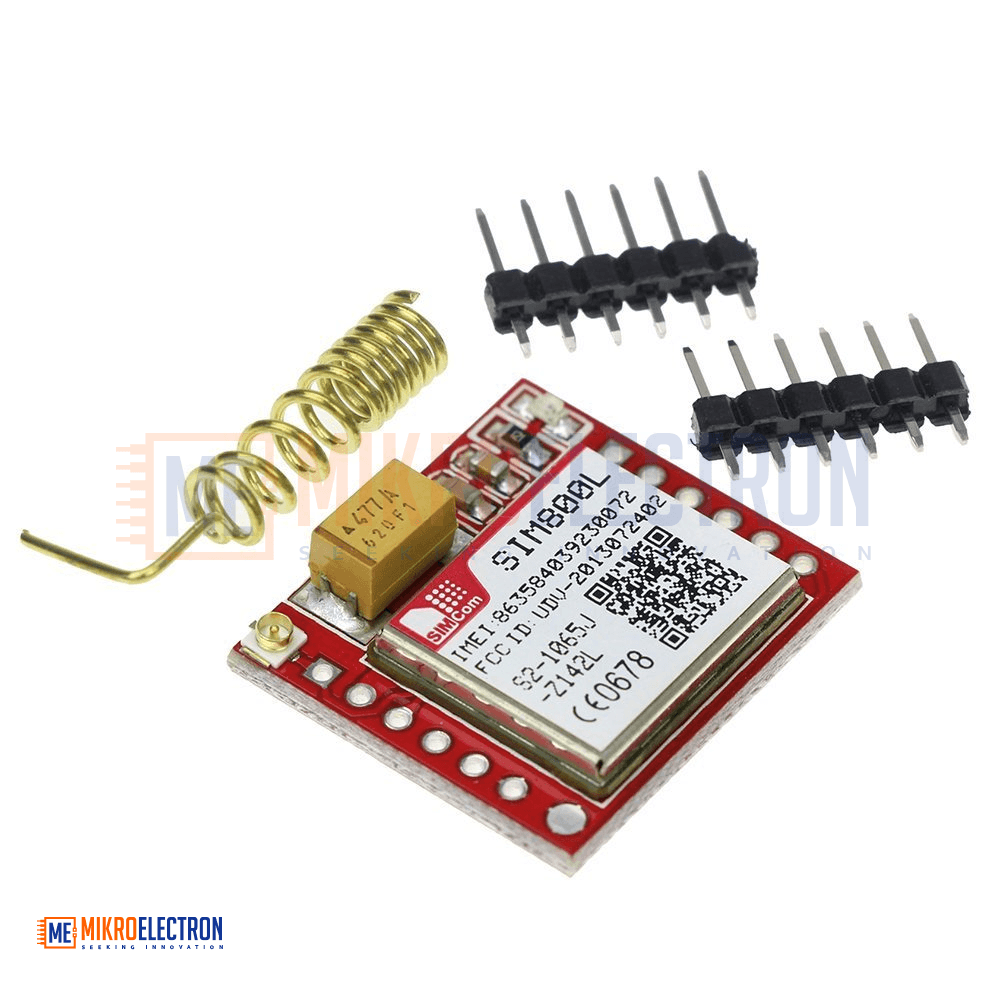
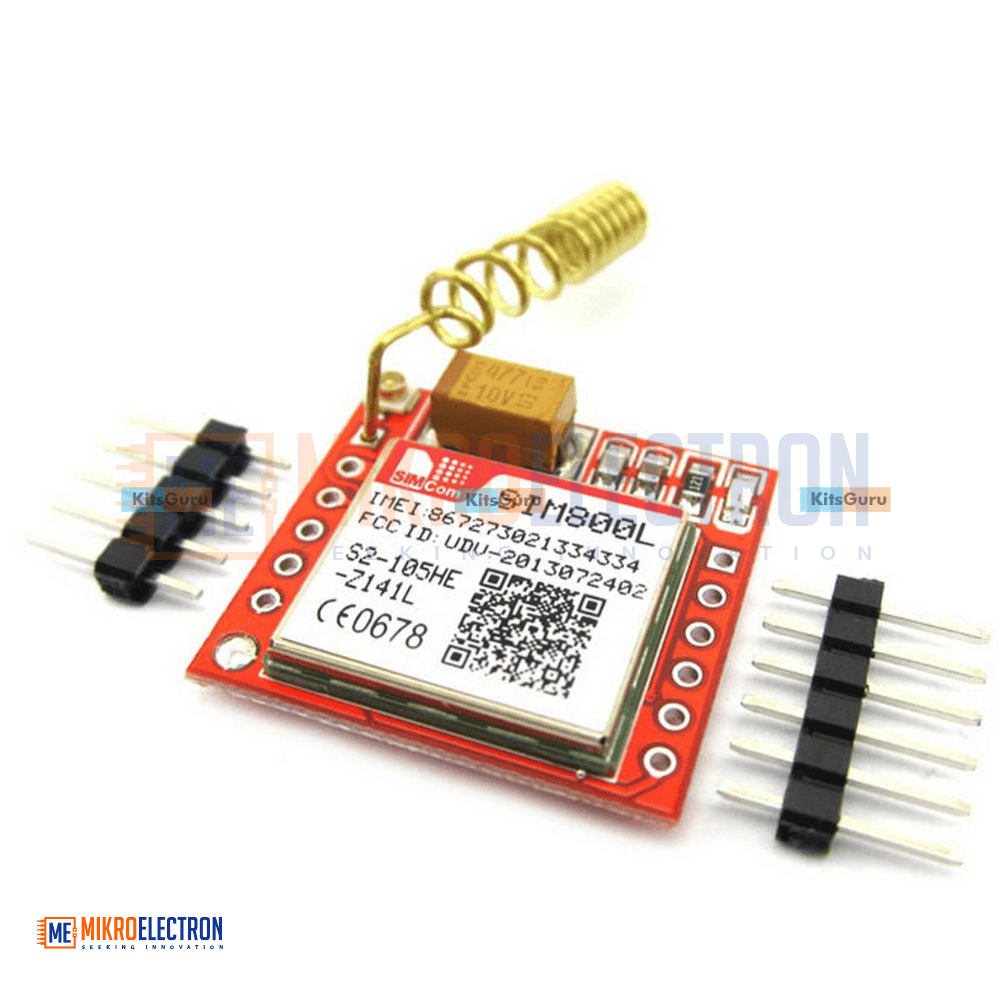
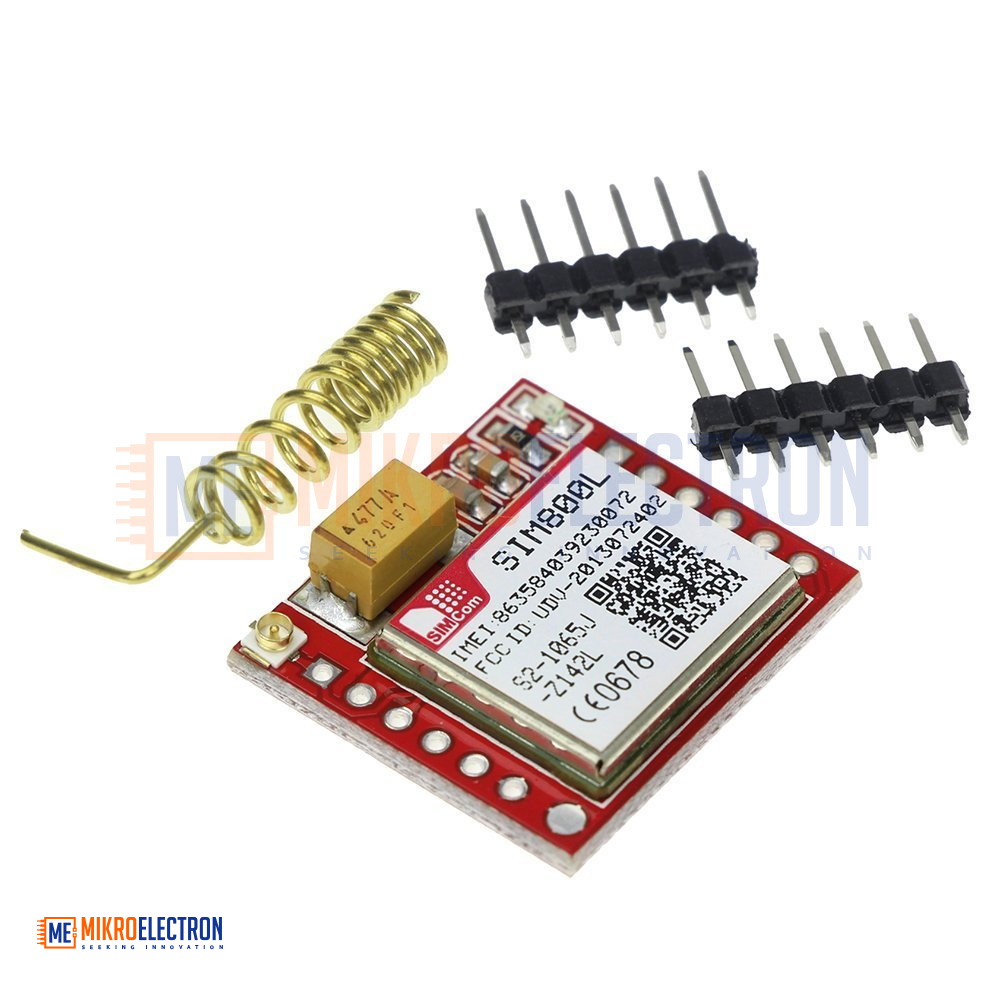
sim800L Smallest GSM Module MicroSIM Card TTL
The SIM800L is a compact quad-band GSM/GPRS module that enables microcontrollers to send SMS, make voice calls, and connect to the internet via GPRS using a MicroSIM card. Operating on a TTL serial interface with 3.3V logic compatibility, it works seamlessly with Arduino, ESP32, and STM32. Featuring ultra-low power consumption (as low as 1mA in sleep mode), it is ideal for IoT projects, remote control, telemetry, and wireless communication applications worldwide.
SIM800L هي وحدة GSM/GPRS رباعية النطاق صغيرة الحجم تتيح للمتحكمات الدقيقة إرسال الرسائل النصية SMS، وإجراء المكالمات الصوتية، والاتصال بالإنترنت عبر GPRS باستخدام بطاقة MicroSIM. تعمل عبر واجهة UART التسلسلية بمستوى منطقي 3.3 فولت، وهي متوافقة مع Arduino وESP32 وSTM32. تتميز باستهلاك طاقة منخفض جداً يصل إلى 1 ميلي أمبير في وضع السكون، مما يجعلها مثالية لمشاريع إنترنت الأشياء والتحكم عن بُعد والاتصالات اللاسلكية.
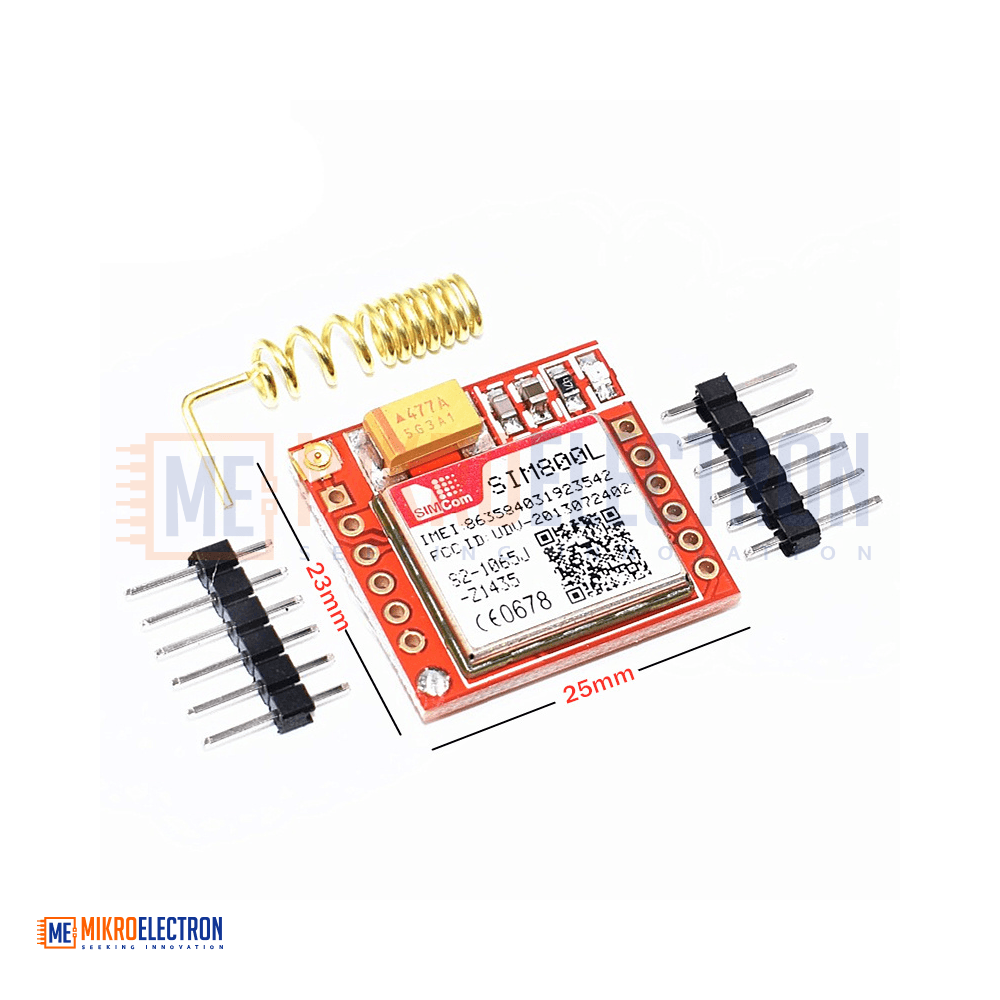
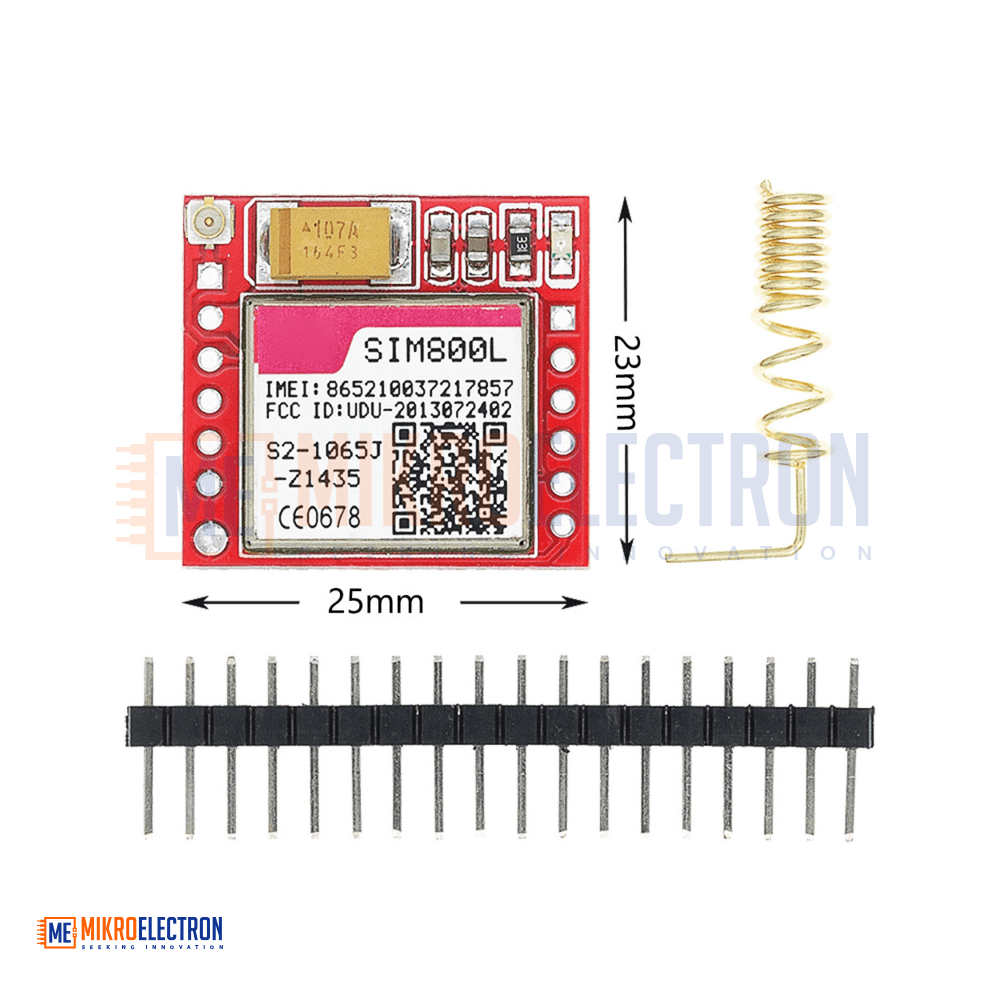
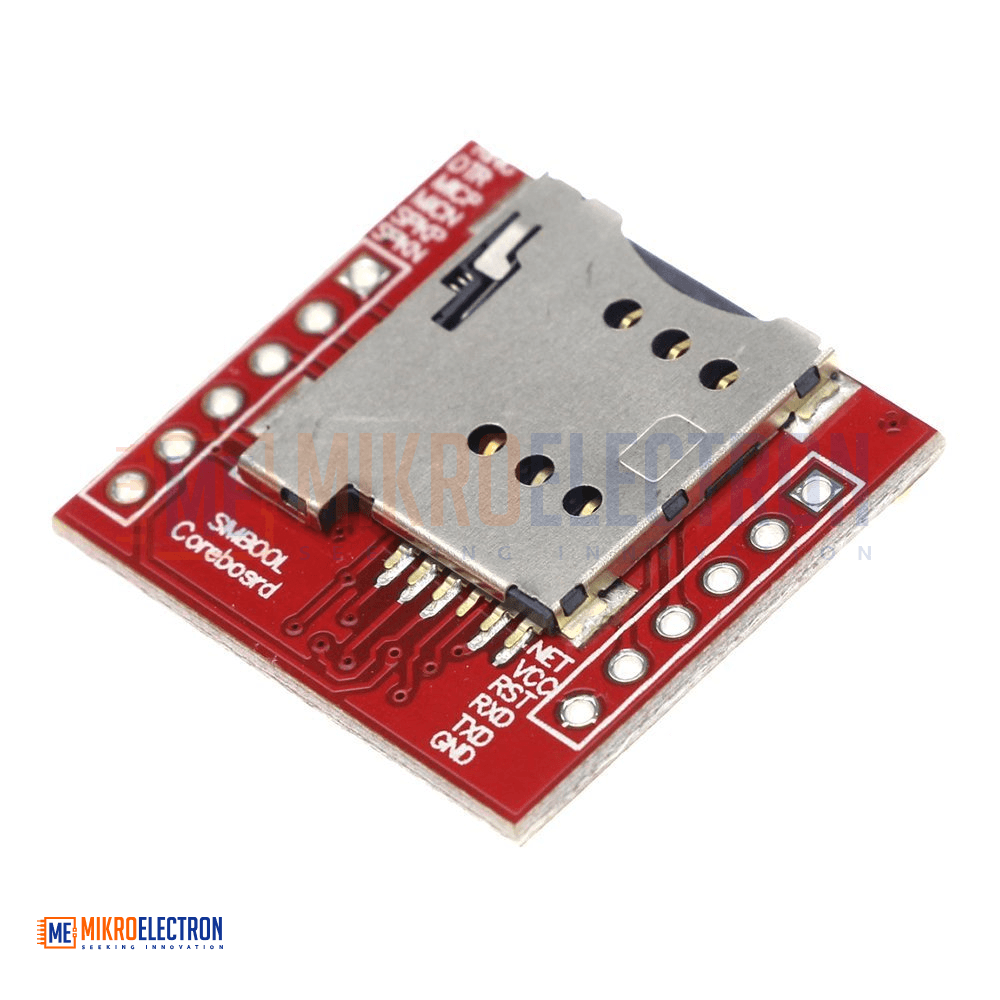
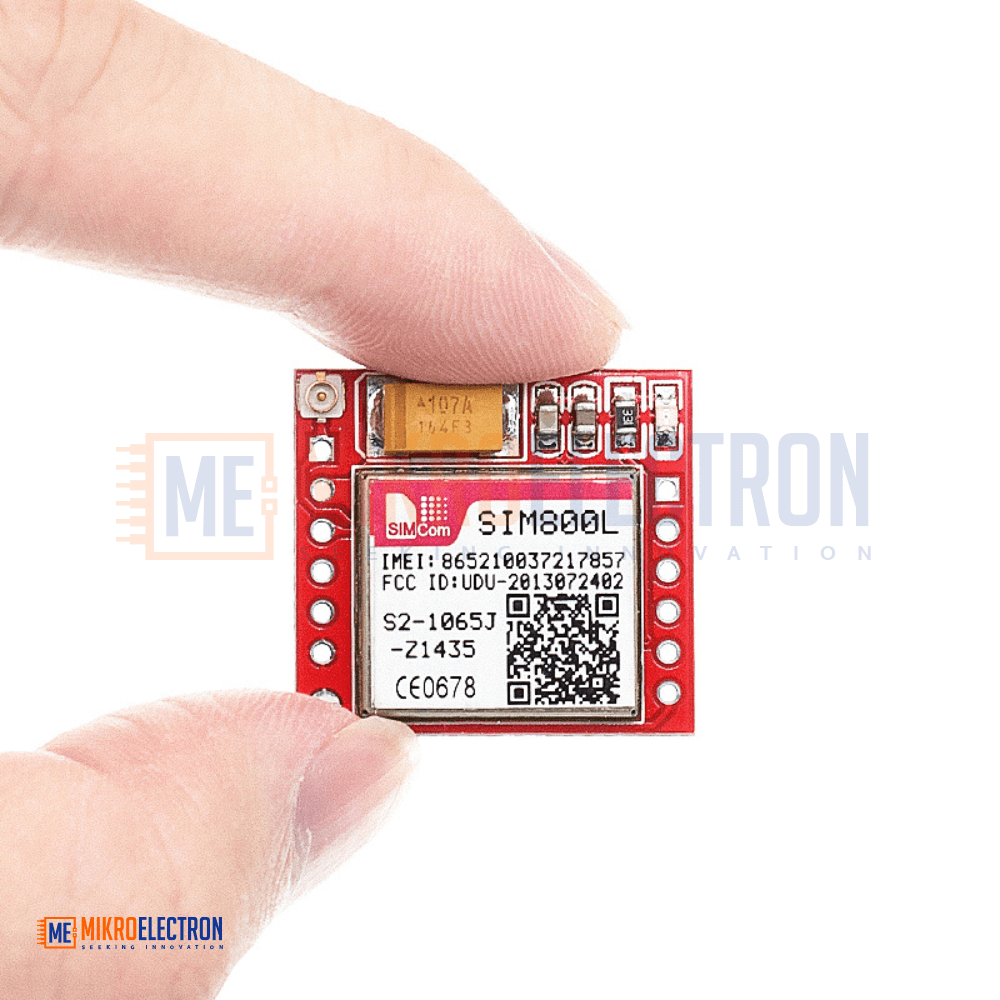
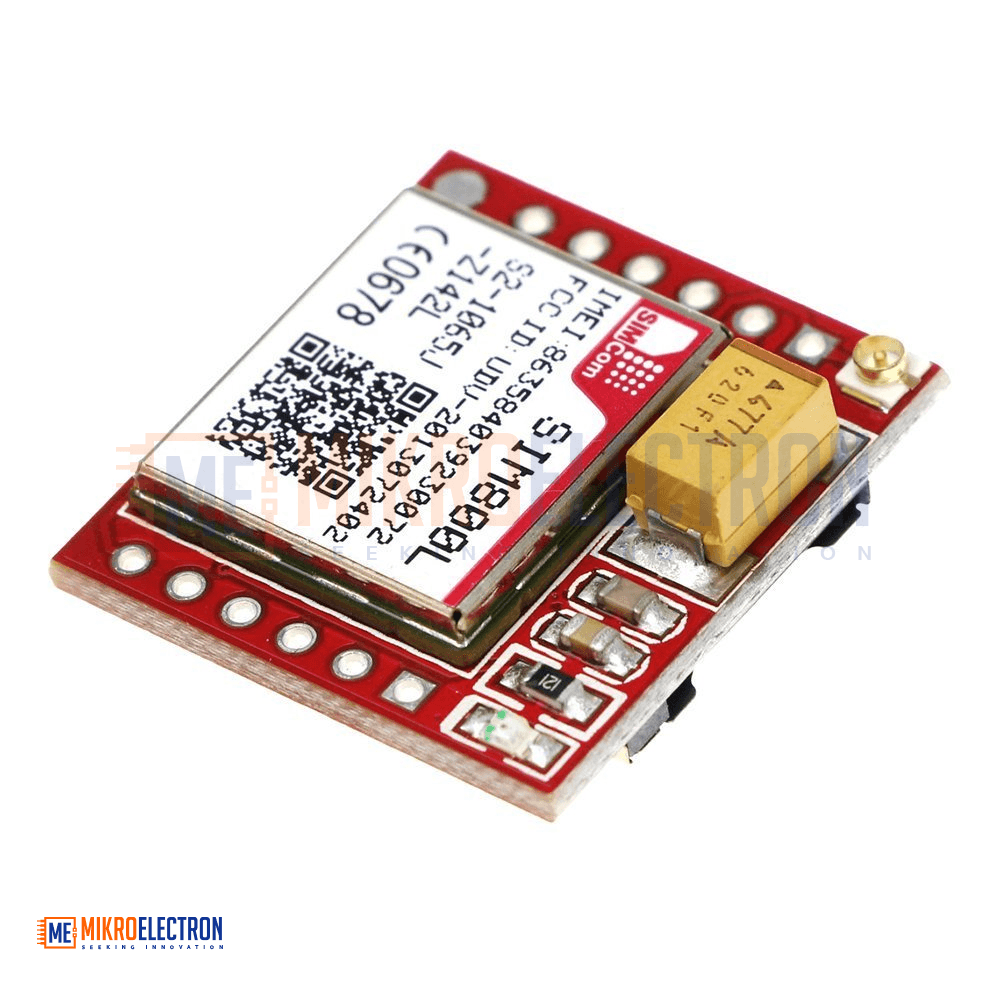
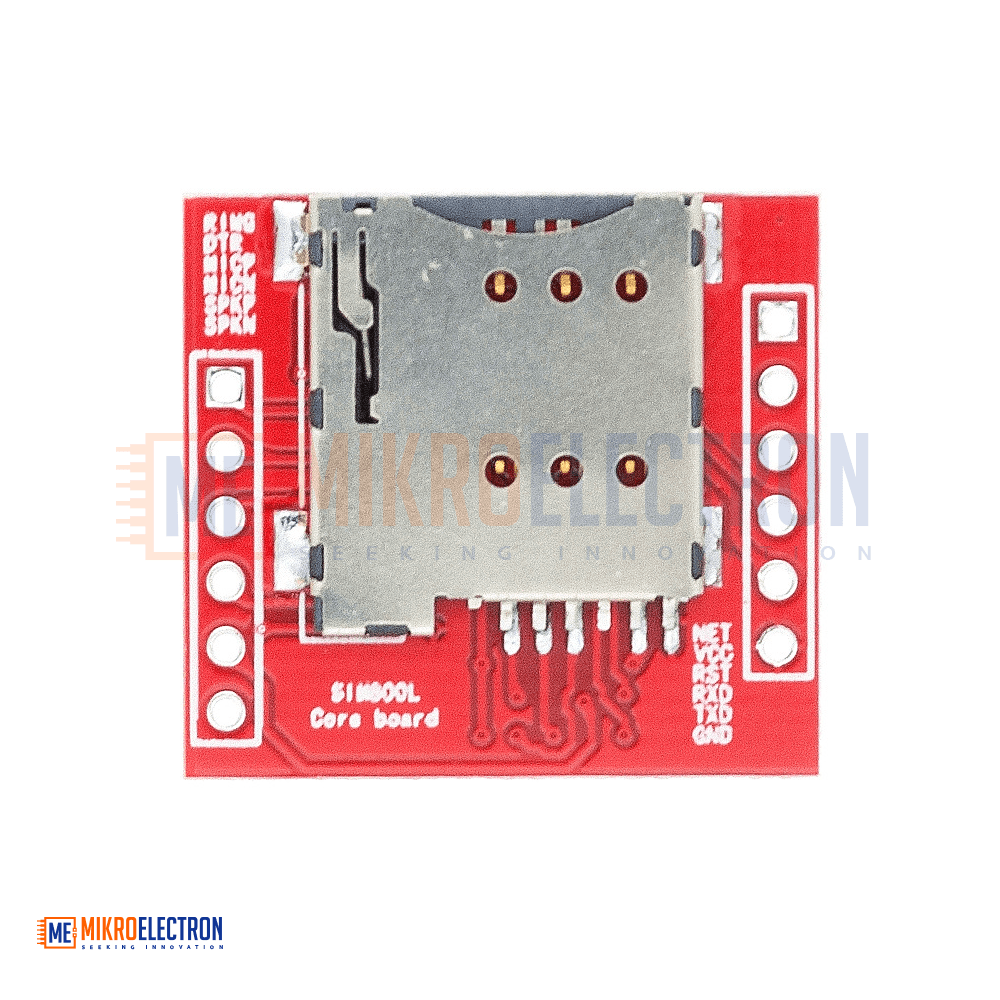
The SIM800L GSM/GPRS Module is one of the smallest and most efficient cellular communication modules available, designed to add wireless connectivity to embedded systems and IoT projects. Built around the reliable SIM800L chip from SIMCom, this breakout board provides a complete cellular solution in a tiny 2.5cm × 2.3cm footprint.
The module communicates with any microcontroller through a standard UART serial port using the well-documented AT command set, including 3GPP TS 27.007, 27.005, and SIMCOM enhanced AT commands. With its auto baud detection feature, integration into existing projects is fast and straightforward.
Supporting quad-band frequencies (850/900/1800/1900 MHz), the SIM800L can connect to virtually any 2G GSM network worldwide. Beyond basic SMS and voice functionality, it enables GPRS data transmission for TCP/IP and HTTP applications, making it perfect for sending sensor readings, GPS coordinates, or remote commands across the cellular network.
For reliable operation, the module requires a regulated power supply between 3.7V and 4.2V, with the ability to handle current spikes during transmission. Its 3.3V logic level compatibility allows direct interfacing with modern microcontrollers like Arduino, ESP32, STM32, and Raspberry Pi.
Specifications
- Module Chip: SIM800L (SIMCom)
- Operating Voltage: 3.7V – 4.2V (4.0V recommended)
- Logic Level: 3.3V TTL (5V tolerant on RX with care)
- Module Size: 2.5 cm × 2.3 cm
- Frequency Bands: Quad-band 850 / 900 / 1800 / 1900 MHz
- GPRS Class: Multi-slot Class 12 / 10
- GPRS Data Rate: Up to 85.6 kbps (downlink/uplink)
- SIM Card Type: MicroSIM
- Communication Interface: UART (Serial TTL)
- Sleep Mode Current: As low as 1 mA
- Operating Current (Transmission): Peaks up to 2A
- Antenna: External via IPEX/u.FL connector or solder pad
- Operating Temperature: -40°C to +85°C
- AT Command Standards: 3GPP TS 27.007, 27.005, SIMCOM Enhanced
Applications
- IoT (Internet of Things) projects requiring cellular connectivity where Wi-Fi is unavailable
- Remote monitoring and telemetry systems for agriculture, weather stations, and industrial sensors
- GPS vehicle tracking devices combined with GPS modules for location reporting via SMS or GPRS
- Home automation and security systems with SMS alerts and remote control
- Smart energy meters and utility monitoring solutions
- Asset tracking and fleet management applications
- Emergency alert systems that send SMS notifications on triggered events
- Wireless data loggers transmitting sensor data to cloud servers
- DIY mobile phone projects and educational electronics
- Remote actuator control via SMS commands for pumps, gates, lights, and appliances
- Vending machines and POS terminals requiring wireless transaction reporting
- Wearable devices and personal safety/SOS gadgets