
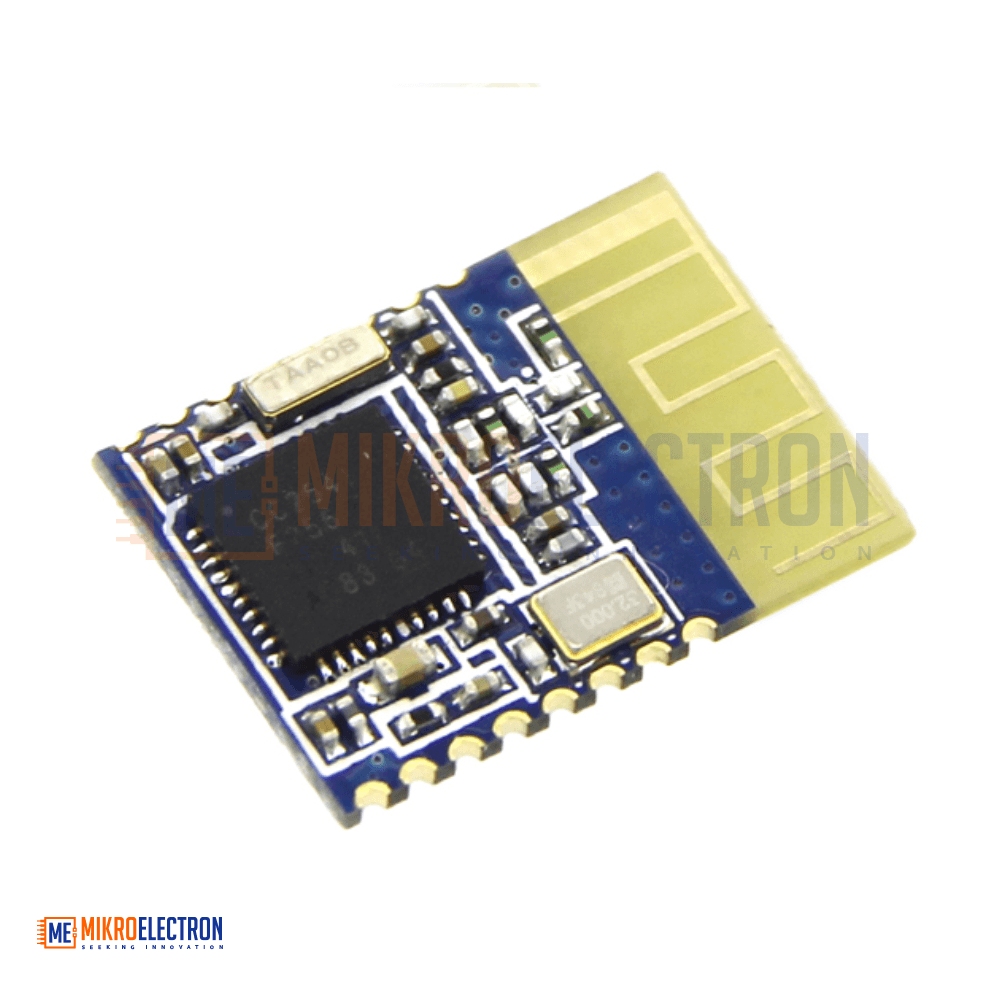
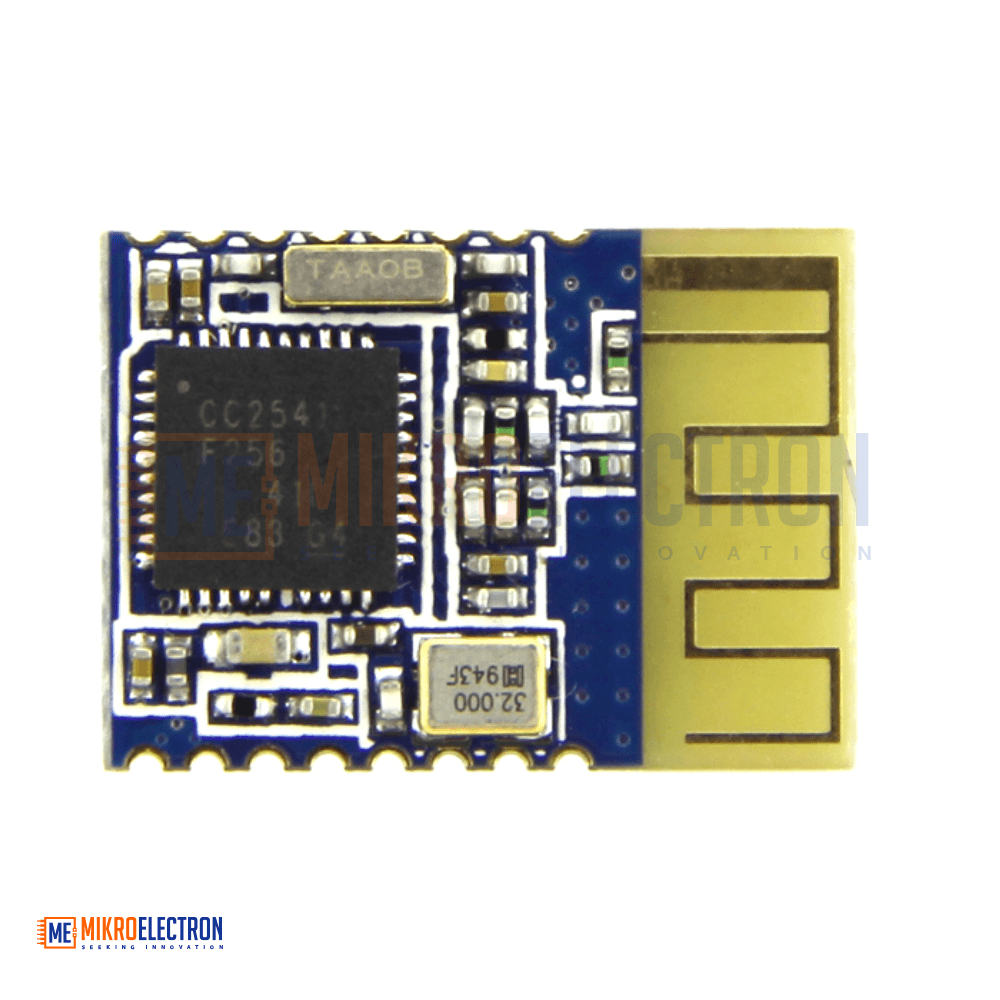
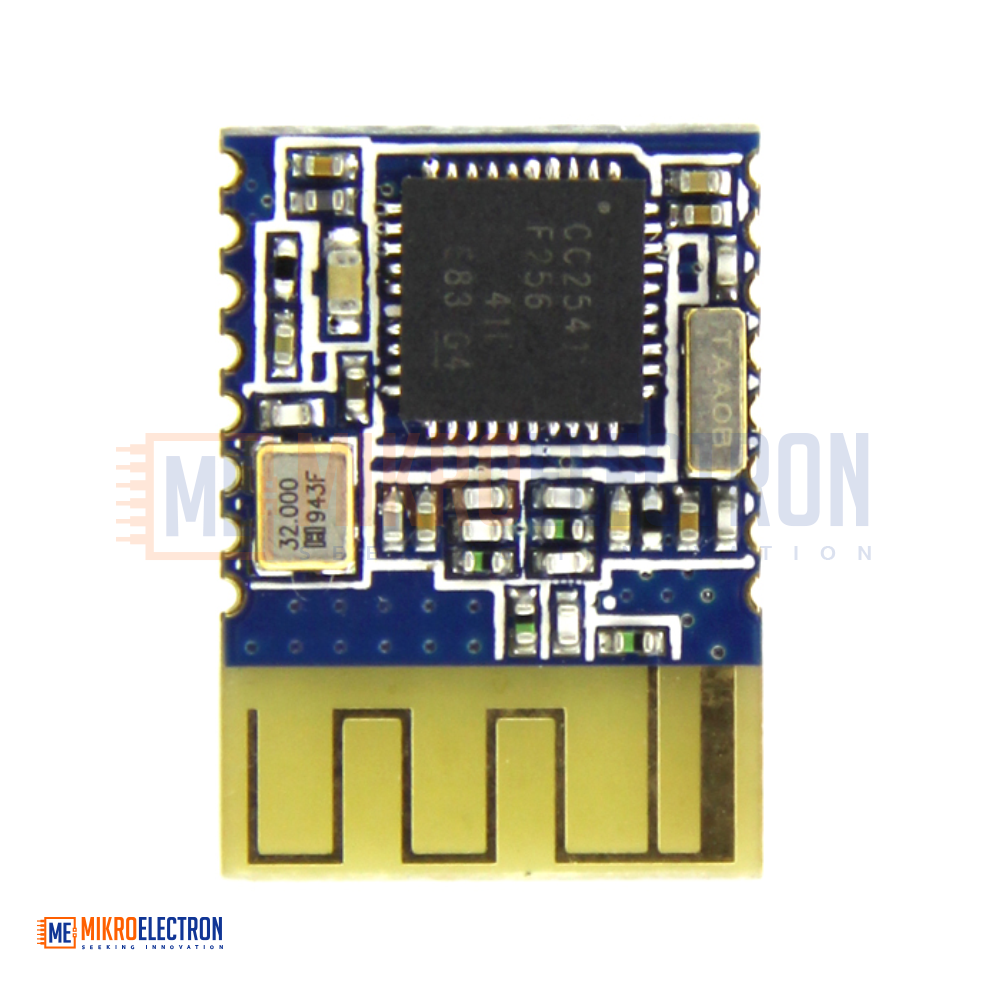
Bluetooth Module HM11- CC2540
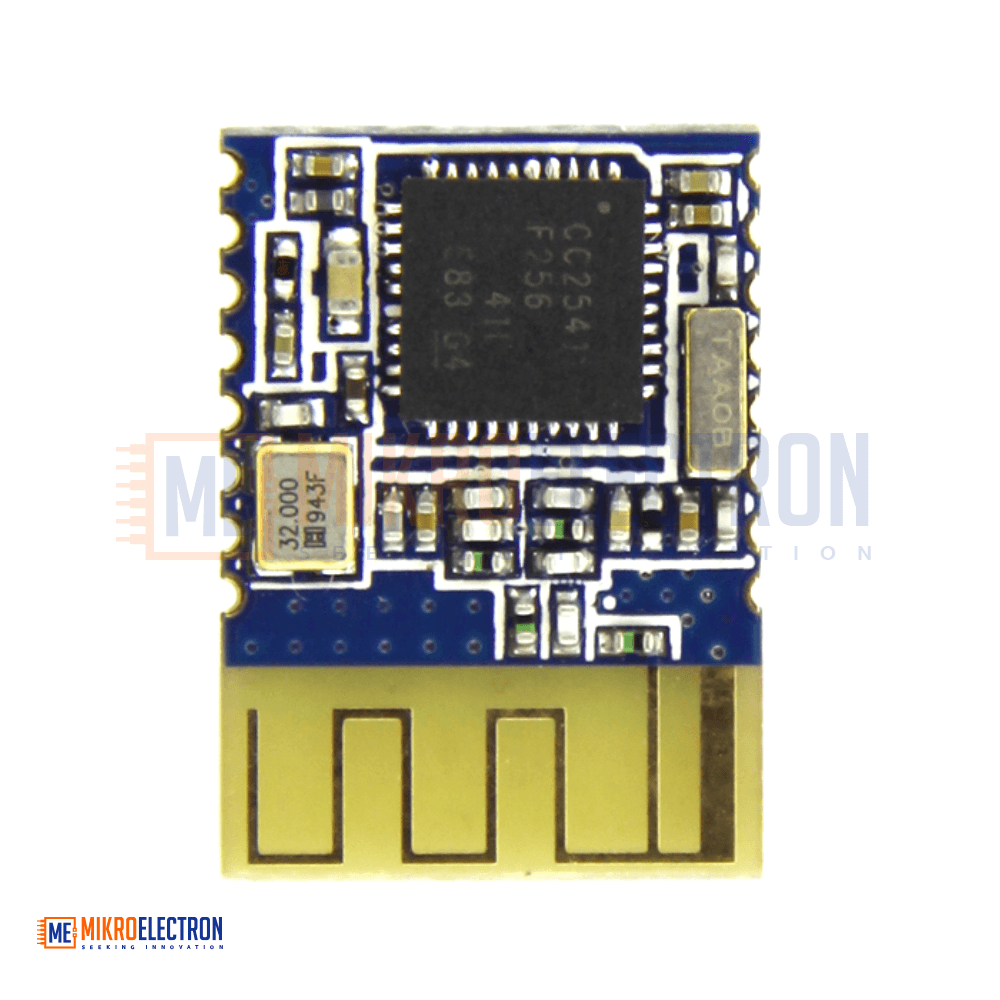
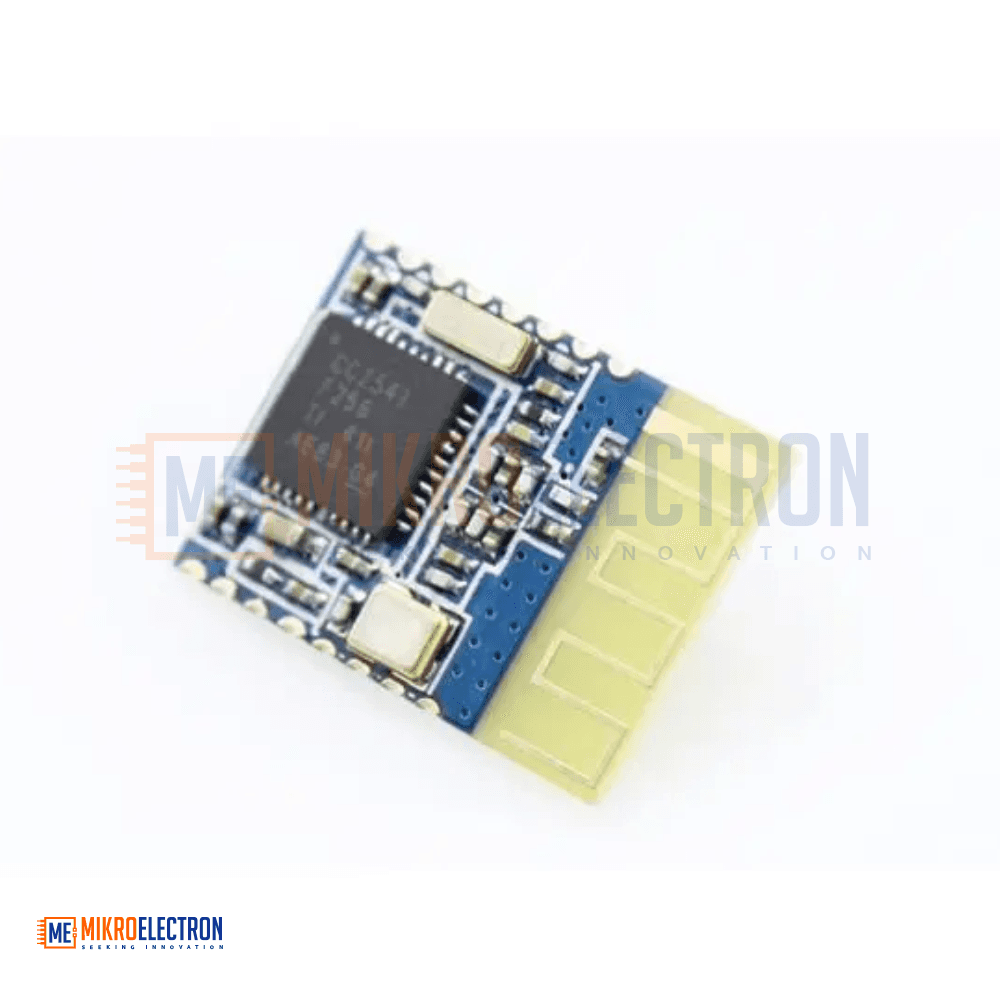
The HM-11 Bluetooth 4.0 BLE Module is based on the TI CC2540 microprocessor and provides Bluetooth Low Energy (BLE) connectivity for communication with smartphones, tablets, computers, and embedded systems. It supports a rich set of AT commands for configuring master/slave mode, baud rate, device name, pairing password, and transmission power. Compact, low-power, and easy to integrate, the HM-11 is ideal for IoT, wearables, and Arduino BLE projects.
وحدة HM-11 بلوتوث 4.0 BLE مبنية على معالج CC2540 من Texas Instruments وتوفر اتصال Bluetooth Low Energy (BLE) للتواصل مع الهواتف الذكية والأجهزة اللوحية والحواسيب والأنظمة المدمجة. تدعم مجموعة واسعة من أوامر AT لضبط وضع Master/Slave، ومعدل الباود، واسم الجهاز، وكلمة المرور، وقدرة الإرسال. صغيرة الحجم ومنخفضة الاستهلاك وسهلة الدمج، مثالية لمشاريع إنترنت الأشياء، الأجهزة القابلة للارتداء، ومشاريع BLE مع الأردوينو.
The HM-11 Bluetooth 4.0 BLE Module is a highly versatile wireless communication module based on the Texas Instruments CC2540 microprocessor, designed to bring Bluetooth Smart (Bluetooth Low Energy) connectivity to your projects. It enables seamless communication with desktop computers, smartphones, tablets, and other embedded systems, making it a popular choice for modern IoT applications.
The module is a highly customizable chip that supports an extensive set of AT commands, allowing you to easily configure its behavior without needing to reprogram the firmware. You can modify the role (Master/Slave mode), the serial port baud rate, the device name, and pairing parameters such as the password. The HM-11 even allows you to adjust the transmission power across multiple levels — −23 dBm, −6 dBm, 0 dBm, and 6 dBm — to balance range and power consumption for your specific application.
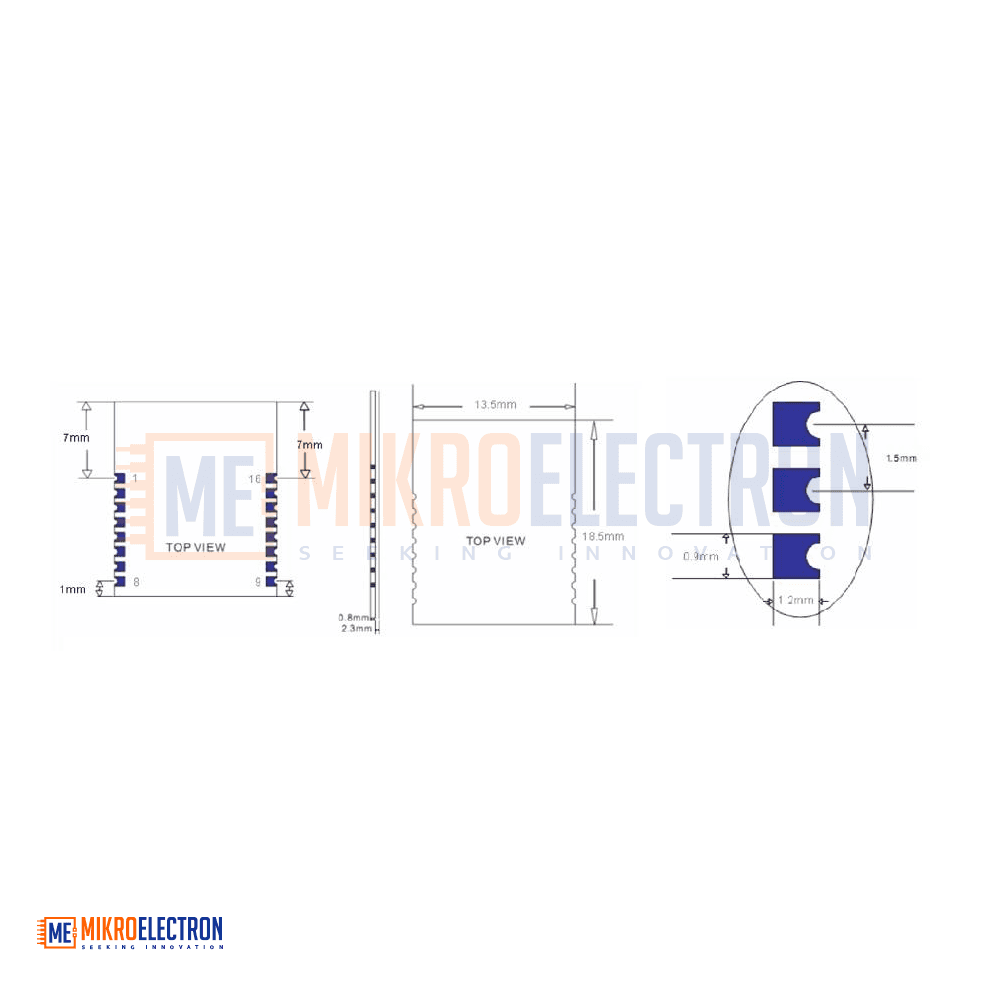
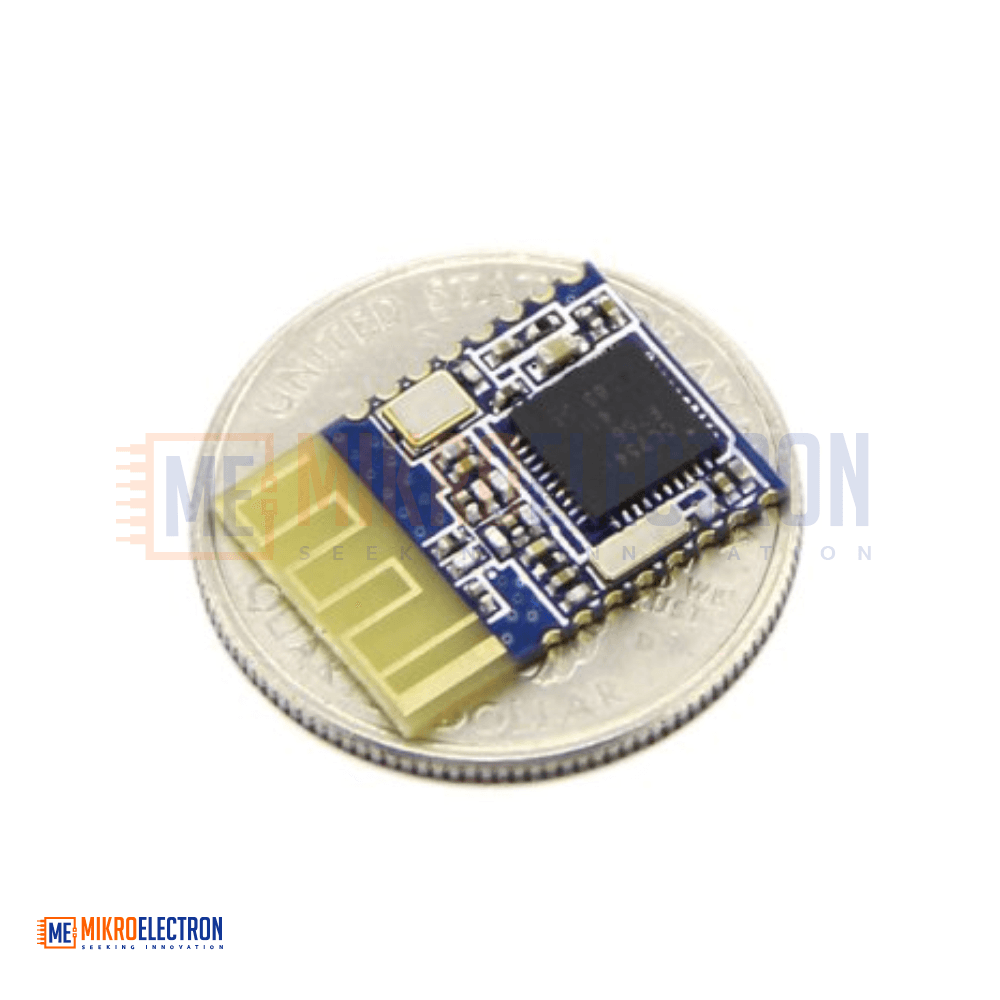
Communication is handled via a UART (TTL) serial interface, making integration with Arduino, Raspberry Pi, ESP32, STM32, and most microcontrollers straightforward. The module runs on a 3.3V power supply and is housed on a compact PCB measuring just 24.5mm x 30.5mm.
For developers, there is a large library of resources, demos, and development tools available to help build iOS and Android applications that interact with the HM-11. For prototyping or learning, an EB (Evaluation Board) version of the module is also available, which makes initial setup and breadboarding significantly easier.
Specifications
- Bluetooth Version: BLE 4.0 (Bluetooth Smart / Low Energy)
- Microprocessor: Texas Instruments CC2540
- Working Frequency: 2.4 GHz ISM Band
- Modulation Method: GFSK (Gaussian Frequency Shift Keying)
- Communication Protocol: UART (TTL)
- Operating Voltage: +3.3 VDC
- Current Consumption: 50 mA (peak)
- Transmission Power Levels: −23 dBm, −6 dBm, 0 dBm, +6 dBm (selectable)
- Operating Modes: Master / Slave (selectable via AT command)
- PCB Dimensions: 24.5mm x 30.5mm x 0.8mm
- Operating Temperature: −5°C to +65°C
- Configuration: Full AT command set supported
- Mobile Support: iOS and Android development resources available
Applications
- Internet of Things (IoT) devices and smart sensors
- Wearable electronics such as fitness trackers and smart watches
- Home automation systems and smart appliances
- Wireless data logging and remote sensor monitoring
- iBeacon and proximity-based applications
- Bluetooth-controlled robotics and RC vehicles
- Health and medical monitoring devices
- Smartphone-controlled Arduino and embedded projects
- Wireless serial communication replacement for cables
- Industrial automation and asset tracking
- Educational projects for learning BLE technology