
Electromagnetic 6 Ring Cyclotron Scientific Experiment Instrument
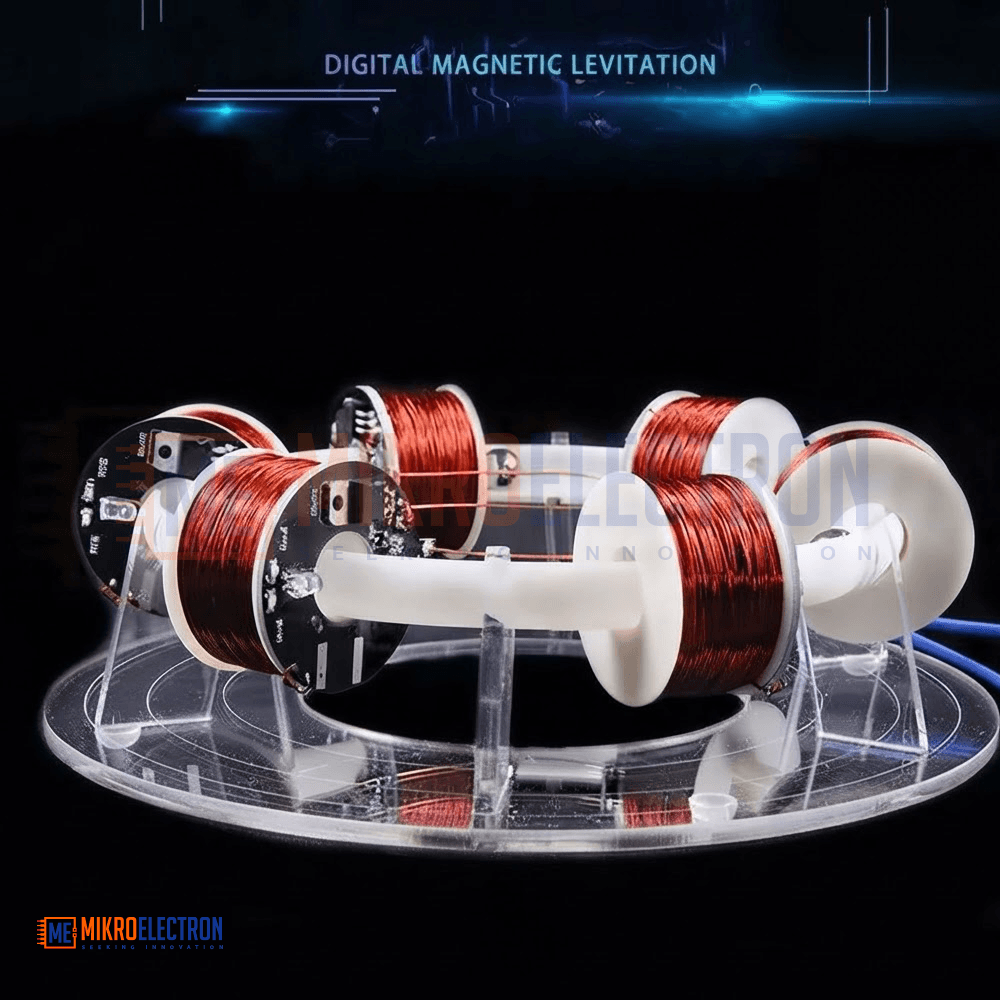
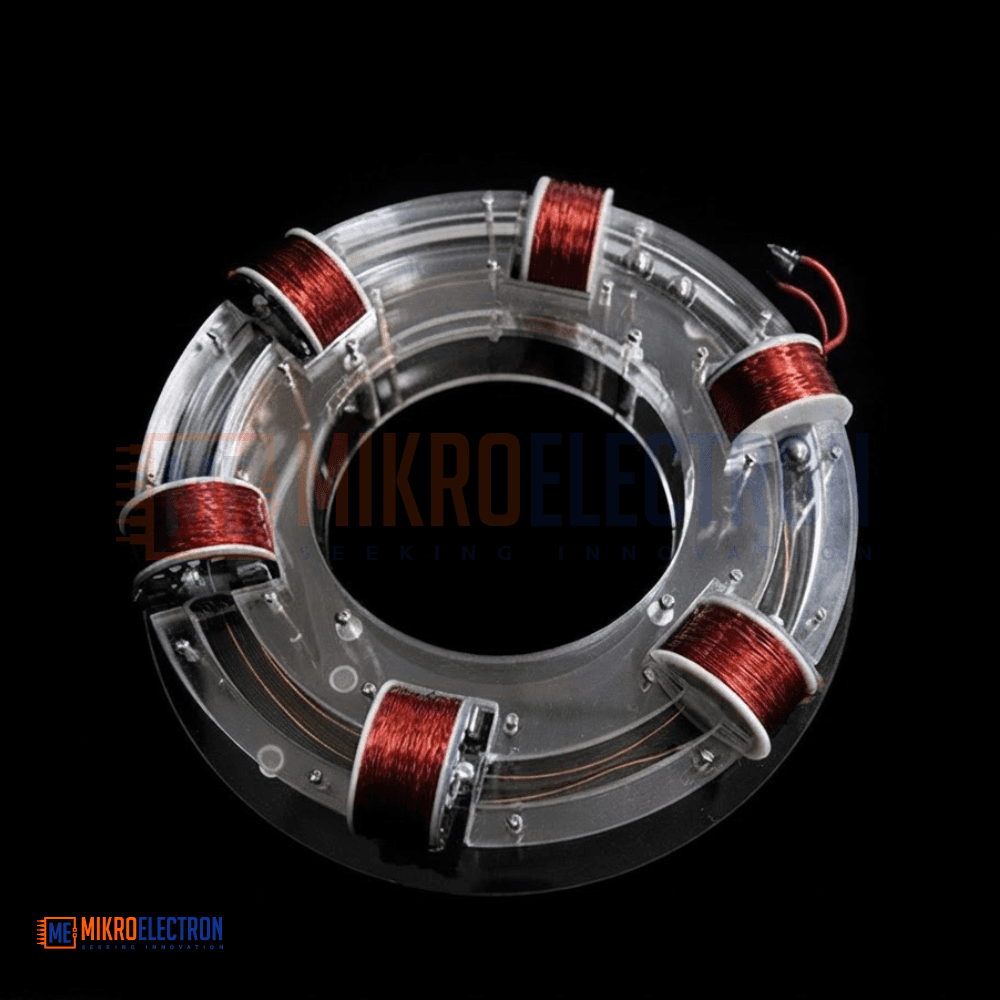
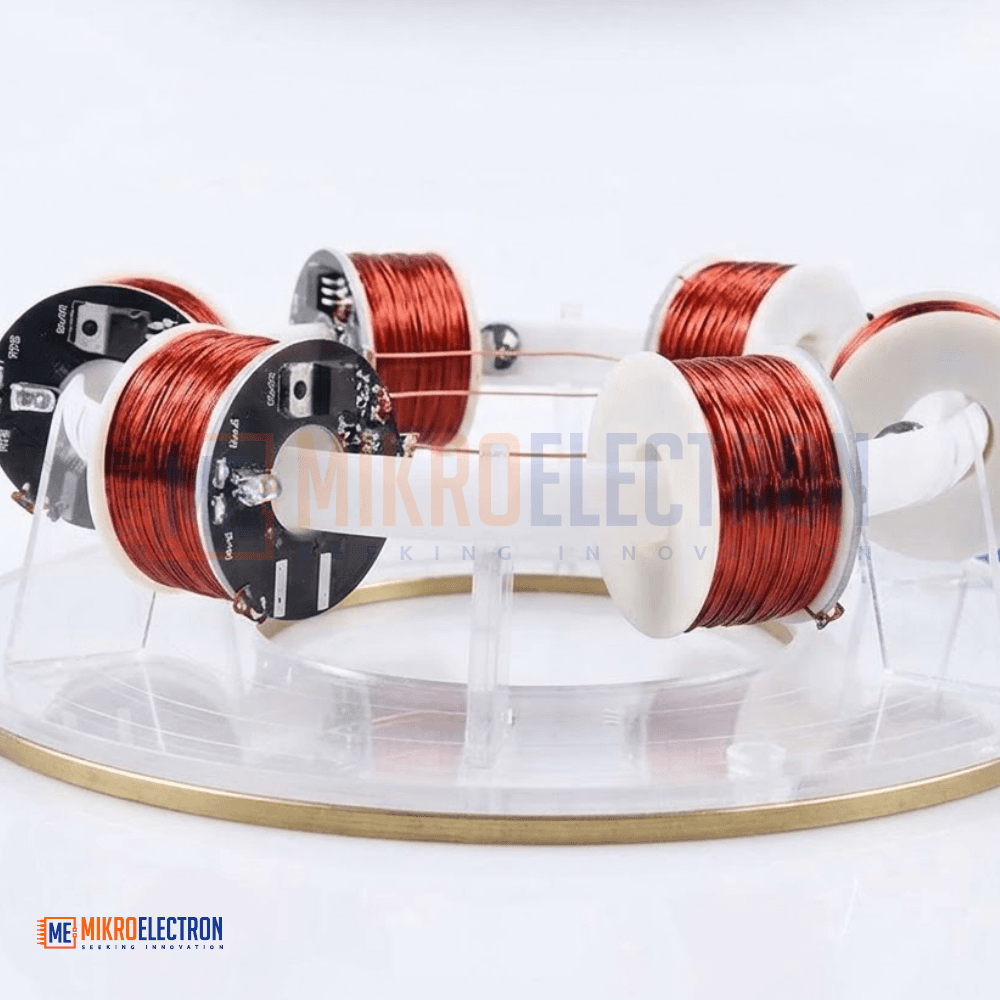
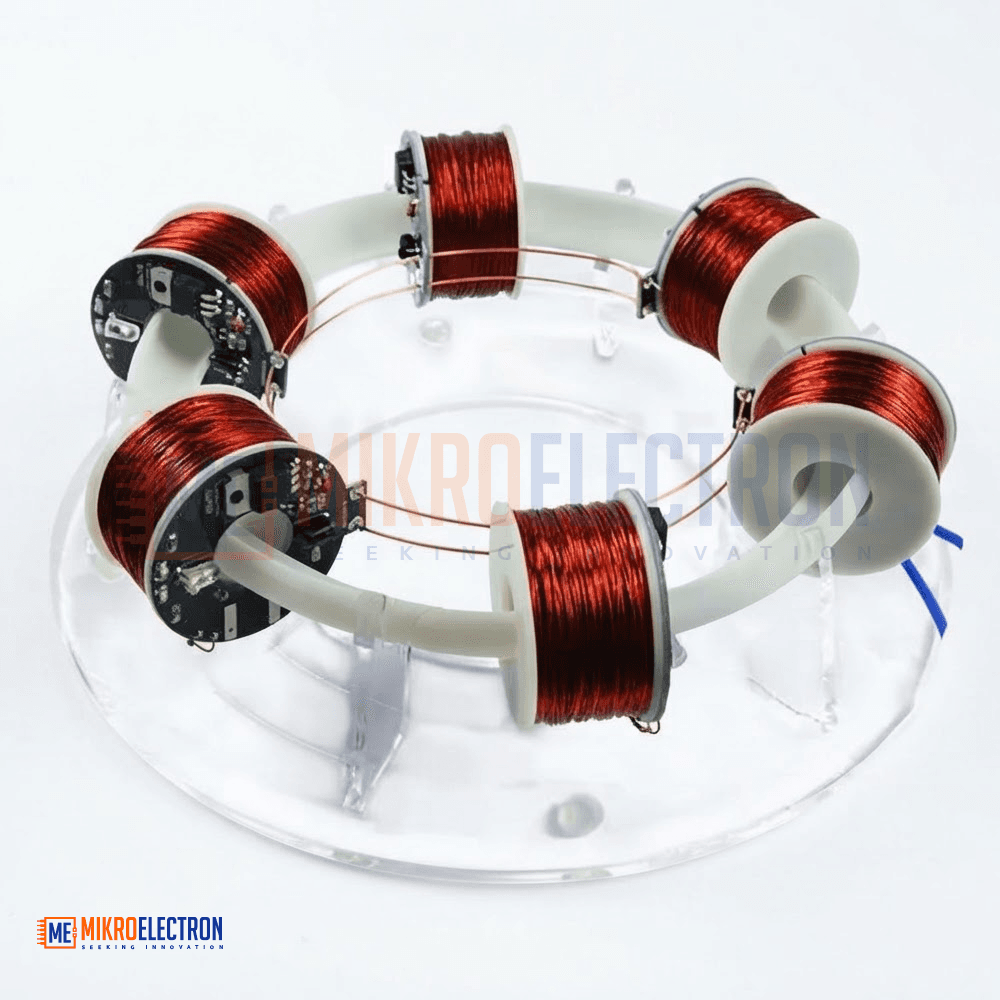
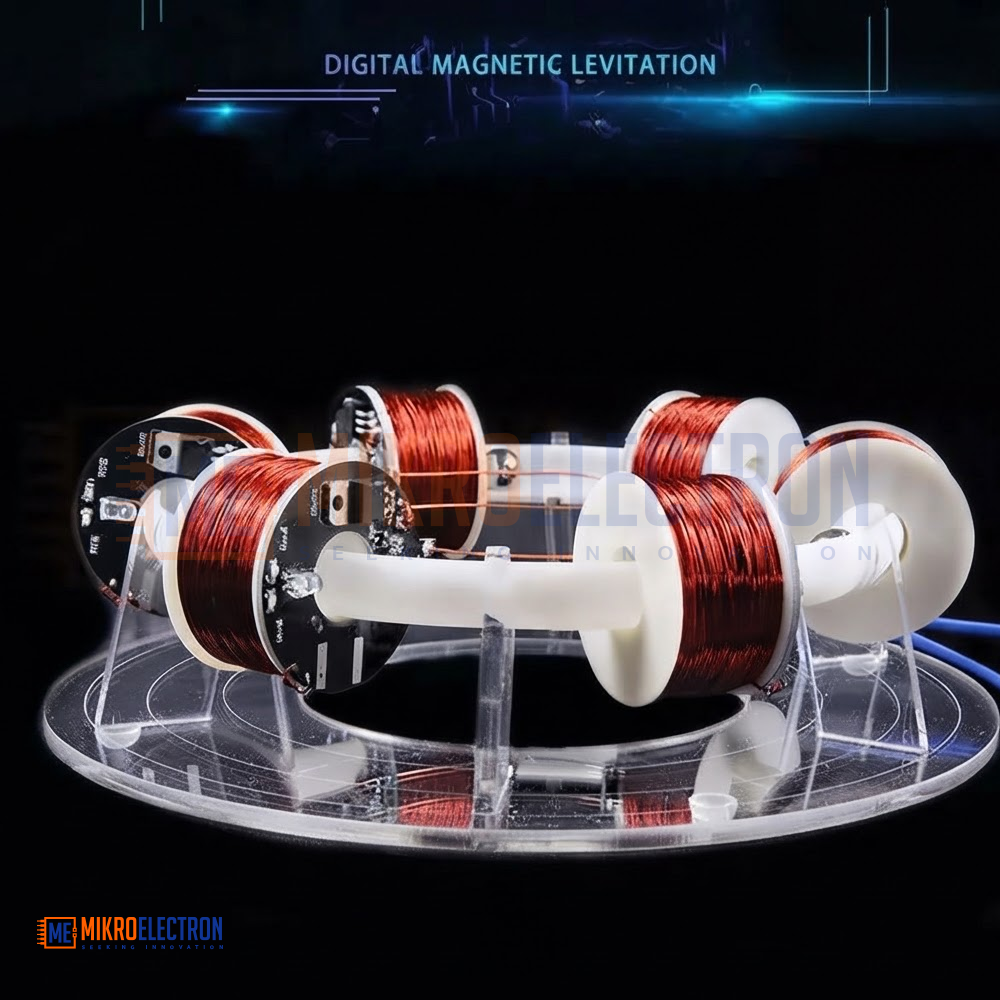
The Electromagnetic Ring Cyclotron Scientific Experiment Instrument is designed to demonstrate cyclic acceleration in a circular track using independently controlled electromagnetic coils. Available in 4-coil and 6-coil versions, the instrument provides faster acceleration with more coils. It operates on a 12V low-voltage power supply with 8W power consumption, making it suitable for long-term operation without coil heating. Each coil features independent circuit board control, while infrared sensors provide high accuracy and almost no delay. The rising and releasing track allows easy, hand-driven starting, offering an intuitive demonstration of cyclic acceleration principles in scientific experiments and physics studies.
يُعد جهاز التسريع الكهرومغناطيسي الحلقي للتجارب العلمية أداة مصممة لتوضيح مبدأ التسارع الدوري على مسار دائري باستخدام ملفات كهرومغناطيسية يتم التحكم بكل منها بشكل مستقل. يتوفر الجهاز بإصدارين يحتويان على 4 ملفات أو 6 ملفات، حيث يحقق الإصدار ذو الملفات الستة تسارعاً أسرع. يعمل الجهاز بجهد منخفض 12 فولت واستهلاك طاقة 8 واط، مما يجعله مناسباً للتشغيل لفترات طويلة دون ارتفاع حرارة الملفات. يحتوي على مستشعرات بالأشعة تحت الحمراء تتميز بالدقة العالية والاستجابة السريعة دون تأخير يُذكر. كما يتميز بمسار رفع وإطلاق يسهل بدء التشغيل يدوياً، مما يوفر طريقة عملية وواضحة لعرض مبادئ التسارع الدوري في التجارب والدراسات الفيزيائية.
The Electromagnetic Ring Cyclotron Scientific Experiment Instrument is a scientific demonstration device designed to study the effects of cyclic acceleration in a circular orbit. Inspired by the concept of toroidal accelerators used in physics experiments, this instrument focuses on demonstrating orbital acceleration rather than accelerating particles.
The instrument is available in two configurations: 4 coils and 6 coils. Both versions share the same basic design and functionality, with the 6-coil version providing faster acceleration due to the increased number of electromagnetic coils.
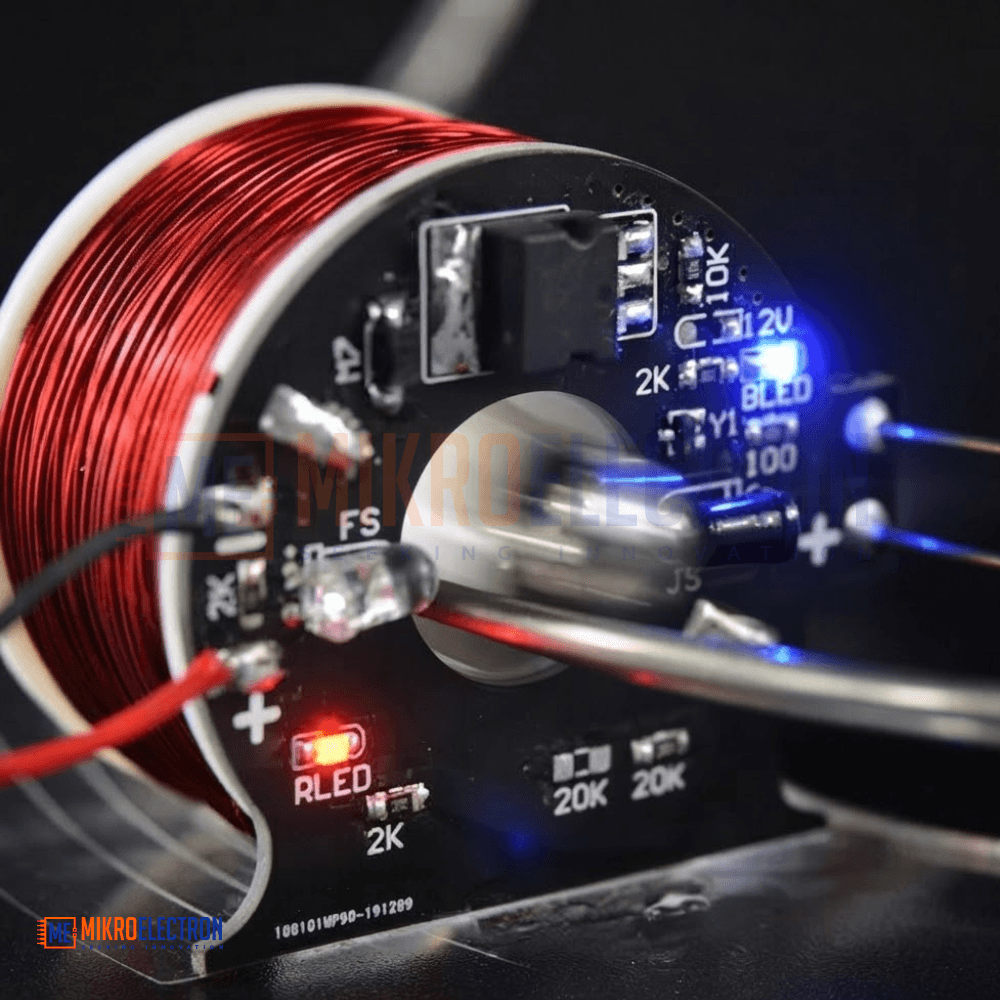
Each electromagnetic coil is independently controlled by its own circuit board, ensuring that the coils operate without interfering with one another.
The instrument operates on a 12V low-voltage power supply, with a rated power of 8W. Its low power consumption supports long-term use, while the electromagnetic coils are designed to operate without generating heat.
A rising and releasing track allows convenient manual starting, making the acceleration process easy to observe and demonstrate.
The device also incorporates infrared sensors and dedicated control circuits that provide high accuracy, long service life, and almost no detection delay.
With its straightforward operation and visual demonstration capabilities, the instrument is suitable for studying and demonstrating electromagnetic cyclic acceleration principles.
4. Technical Specifications
| Specification | Details |
|---|---|
| Product Name | Ring Accelerator |
| Product Type | Electromagnetic Ring Cyclotron Scientific Experiment Instrument |
| Available Versions | 4-Coil / 6-Coil |
| Operating Voltage | 12V |
| Power Consumption | 8W |
| Dimensions | 32 × 8 cm / 30 × 8 cm |
| Weight | 1925 g / 2419 g |
| Acceleration System | Electromagnetic Coils |
| Coil Control | Independent Circuit Board Control |
| Sensor Type | Infrared Sensor |
| Sensor Accuracy | High Accuracy |
| Sensor Response | Almost No Delay |
| Starting Mechanism | Rising and Releasing Track |
| Starting Method | Manual / Hand-Driven |
| Coil Heating | No Heat Generation During Operation |
| Power Supply Requirement | 12V Only |
Note: Dimensions and weights are listed as provided. Their specific assignment to the 4-coil and 6-coil versions was not specified.
5. Applications
Physics Experiments: Demonstrating cyclic acceleration principles through electromagnetic operation.
Electromagnetic Studies: Studying the effects of independently controlled electromagnetic coils on acceleration.
Scientific Demonstrations: Providing a visual demonstration of acceleration within a circular track.
Educational Experiments: Supporting practical observation of electromagnetic acceleration concepts.
Circular Motion Studies: Demonstrating the behavior of acceleration in a circular orbit.
Accelerator Principle Demonstrations: Illustrating acceleration concepts inspired by toroidal accelerators without requiring particle acceleration.