

ESP32 Development Board TYPE-C USB CH340C
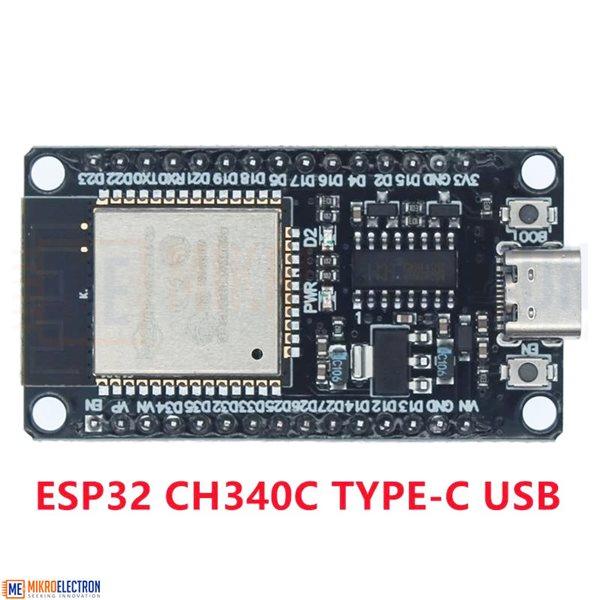
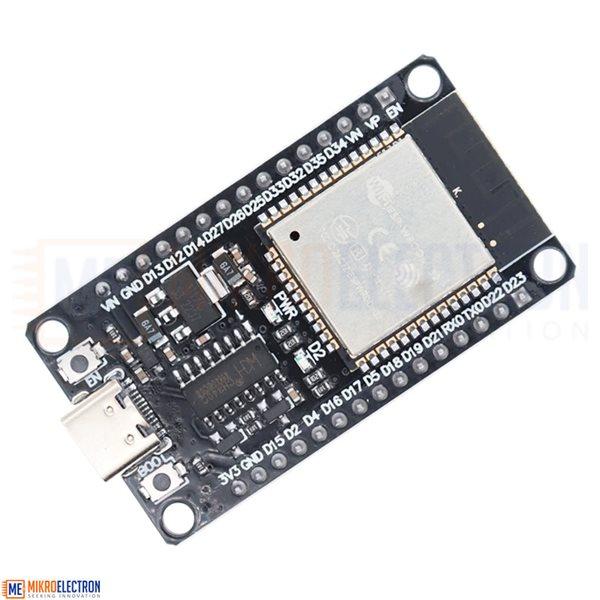
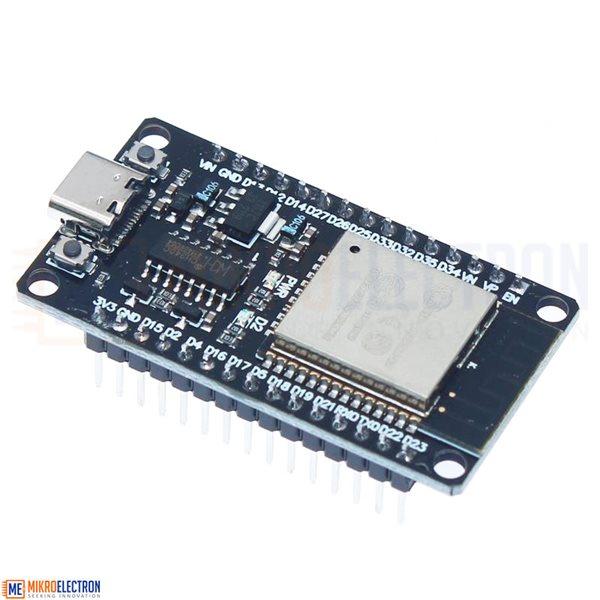
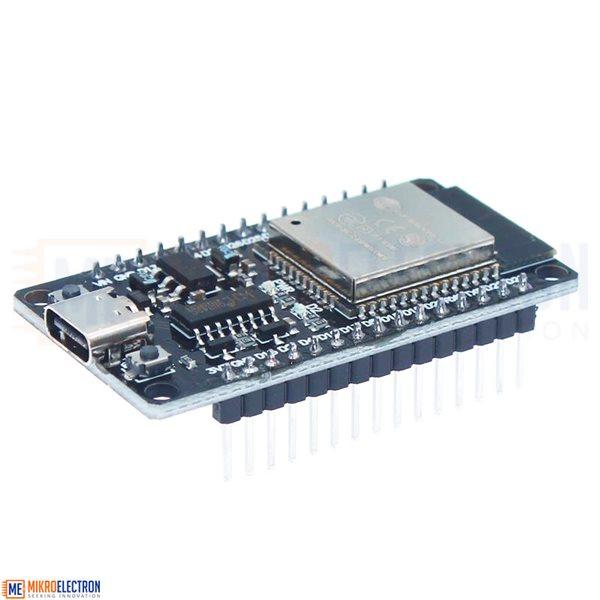
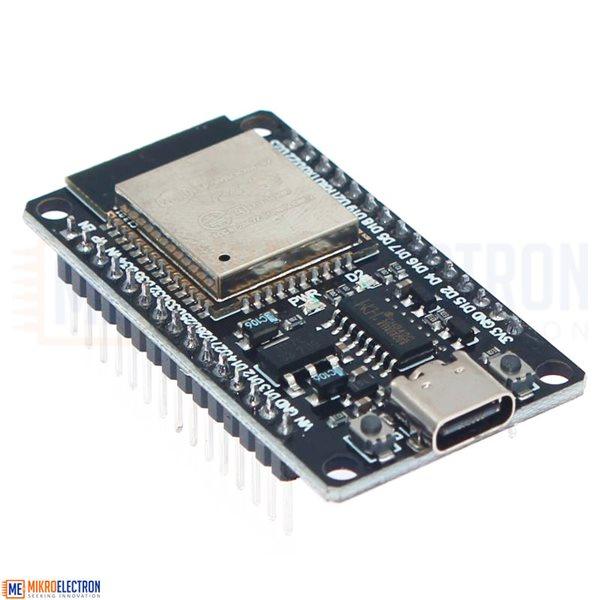
This is the ESP32S-DEV development board built around the ESP-WROOM-32 module, offering integrated WiFi and Bluetooth 4.2 connectivity in a compact, breadboard-friendly design. It features an onboard CH340C USB-to-serial chip, a Type-C USB connector, and two extension headers (2x19 pins) that break out all I/O pins of the ESP-WROOM-32 module. The board includes reset and user-defined buttons, plus user and power LEDs, and is powered by a 32-bit 240MHz microprocessor with 4MB flash memory and 520KB SRAM. Compact at 51.5 x 28.5mm, it is ideal for IoT development, prototyping, and embedded WiFi/Bluetooth projects.
هذه هي لوحة تطوير ESP32S-DEV المبنية على وحدة ESP-WROOM-32، وتوفر اتصالًا متكاملًا بتقنيتي الواي فاي والبلوتوث 4.2 بتصميم مدمج وسهل الاستخدام مع لوحات التجارب. تحتوي على شريحة تحويل USB إلى تسلسلي من نوع CH340C، ومنفذ USB Type-C، بالإضافة إلى رأسي توسعة (2×19 دبوس) يوفران الوصول إلى جميع منافذ الإدخال والإخراج لوحدة ESP-WROOM-32. تشتمل اللوحة على زري إعادة تشغيل وزر قابل للبرمجة من قبل المستخدم، إضافة إلى مؤشري LED للمستخدم والطاقة، وتعمل بمعالج 32 بت بسرعة 240 ميجاهرتز، مع ذاكرة فلاش 4 ميجابايت وذاكرة SRAM بسعة 520 كيلوبايت. بأبعاد مدمجة تبلغ 51.5 × 28.5 ملم، فهي مثالية لمشاريع إنترنت الأشياء، والنماذج الأولية، والتطبيقات المدمجة القائمة على الواي فاي والبلوتوث.
The ESP32 Development Board (Type-C USB, CH340C) is a compact and feature-rich prototyping board built around the powerful ESP-WROOM-32 module. Designed for developers, hobbyists, and IoT engineers, this board combines WiFi and Bluetooth connectivity with a reliable USB interface, making it easy to program, debug, and deploy embedded projects quickly.
At its core, the board uses the ESP-WROOM-32, a 32-bit microprocessor running at 240 MHz, providing ample processing power for a wide range of applications including wireless sensor networks, home automation, robotics, and IoT devices. The module supports 2.4 GHz WiFi and Bluetooth 4.2, enabling flexible wireless communication options for connected projects.
Programming and debugging are simplified through the onboard CH340C USB-to-serial converter, which creates a virtual USB port for firmware uploads and serial communication. The board connects via a modern USB Type-C connector, offering a more durable and user-friendly connection compared to older micro-USB designs. Power can also be supplied through the pin headers as an alternative to USB.
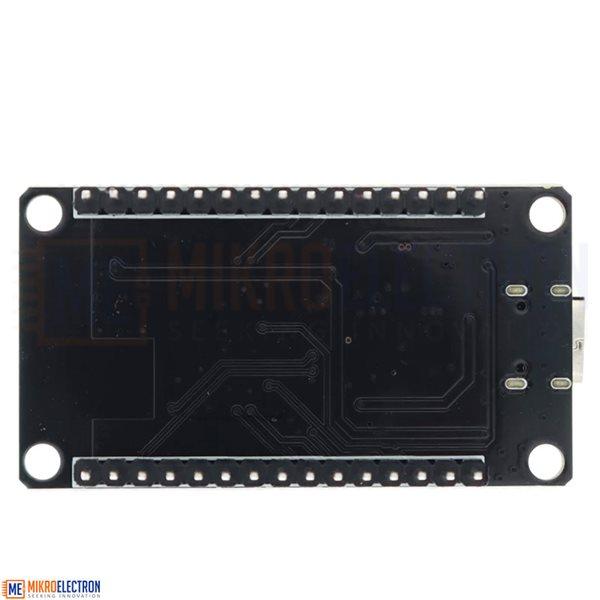
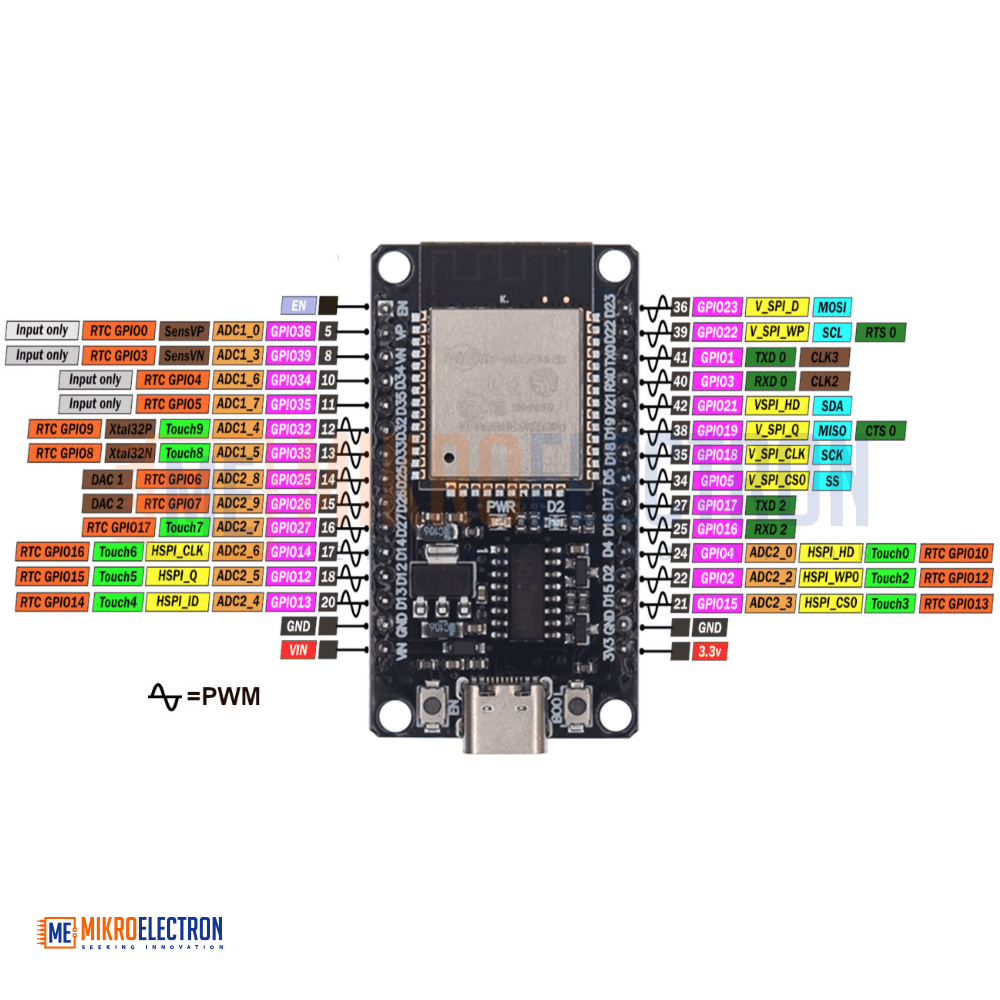
All I/O pins of the ESP-WROOM-32 module are fully accessible through two 19-pin extension headers, allowing seamless integration with breadboards, sensors, and other peripherals. The board also includes two physical buttons — one for reset and one user-defined/firmware button — along with user and power indicator LEDs for easy status monitoring during development.
Memory resources include 4MB (32Mbit) of SPI flash storage, 448KB of ROM, 520KB of SRAM, and an additional 16KB of SRAM in the RTC domain, providing sufficient space for firmware, application code, and low-power operation modes. The board uses a PCB antenna for wireless communication and measures a compact 51.5 x 28.5mm, making it suitable for space-constrained enclosures and portable projects.
This development board is fully compatible with the Arduino IDE, ESP-IDF, and MicroPython, making it a versatile choice for beginners and experienced developers alike working on WiFi/Bluetooth-enabled embedded systems.
Specification Table
| Parameter | Value |
|---|---|
| Module | ESP-WROOM-32 |
| Processor | 32-bit, 240 MHz microprocessor |
| Operating Voltage | 3.3V |
| Input Voltage | 5V (via USB-C) |
| Wireless Connectivity | 2.4 GHz WiFi + Bluetooth 4.2 |
| Flash Memory | 4 MByte (32Mbit) SPI Flash |
| ROM | 448 KB |
| SRAM | 520 KB |
| RTC SRAM | 16 KB |
| Antenna Type | PCB Antenna |
| USB Interface | Type-C USB with CH340C USB-to-serial chip |
| Power Input | Via USB Type-C or pin header |
| Buttons | Reset button + User/Firmware button |
| Indicators | User LED + Power LED |
| I/O Access | 2 x 19-pin extension headers (all I/O pins broken out) |
| Dimensions | 51.5 x 28.5mm |
Applications
- IoT (Internet of Things) device development
- Home automation systems
- Wireless sensor networks
- Robotics and embedded control systems
- Bluetooth and WiFi-enabled prototypes
- Wearable and portable electronics
- Educational and hobbyist electronics projects
- Remote monitoring and data logging applications